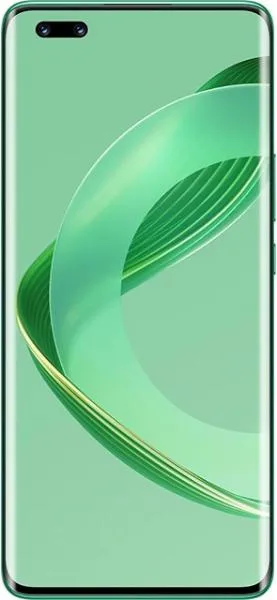
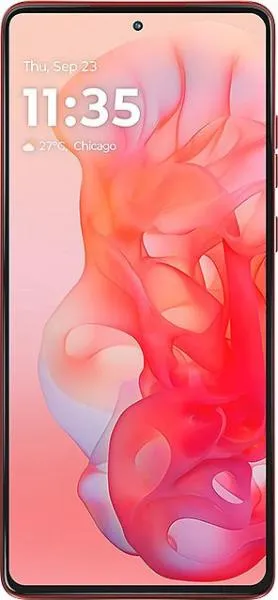
1. Specifications Comparison
| Feature | Huawei nova 11 Pro | Motorola Moto G Stylus 5G (2024) | Practical Impact |
|---|---|---|---|
| Design | |||
| Dimensions (mm) | 164.3 x 74.4 x 7.9 | 162.6 x 74.8 x 8.3 | Nova 11 Pro is slightly taller and thinner. Negligible difference in daily use. |
| Weight (g) | 188 | 190 | Virtually identical weight; no noticeable difference in hand. |
| Display | |||
| Type | OLED | P-OLED | Both offer vibrant colors and deep blacks. Potential for slight differences in color accuracy and power consumption, but generally comparable. |
| Size (inches) | 6.78 | 6.7 | Negligible size difference. |
| Resolution | 1200 x 2652 | 1080 x 2400 | Nova 11 Pro has a sharper display due to higher resolution, noticeable in text and fine details. |
| Refresh Rate (Hz) | 120 | 120 | Both offer smooth scrolling and animations. |
| Peak Brightness (nits) | 950 | 1200 | Moto G Stylus has significantly higher peak brightness, making it more readable in direct sunlight. |
| Performance | |||
| Chipset | Snapdragon 778G 4G (6nm) | Snapdragon 6 Gen 1 (4nm) | Moto G Stylus likely offers better power efficiency due to the 4nm process. Performance differences might be noticeable in demanding tasks, with Snapdragon 778G potentially having a slight edge in raw power. |
| CPU | Octa-core (4x2.4 GHz & 4x1.8 GHz) | Octa-core (4x2.2 GHz & 4x1.8 GHz) | Similar CPU configurations, likely resulting in comparable performance for everyday tasks. |
| GPU | Adreno 642L | Adreno 710 | Moto G Stylus likely has a more powerful GPU, beneficial for gaming and graphically intensive applications. |
| RAM (GB) | 6/8/12 (depending on version) | 8 | More RAM in certain Nova 11 Pro versions enables better multitasking. |
| Camera | |||
| Main Camera (MP) | 50 | 50 | Similar resolution; image quality will depend on sensor and processing. |
| Ultrawide (MP) | 8 | 13 | Moto G Stylus has a higher resolution ultrawide, potentially capturing more detail. |
| Selfie (MP) | 60 | 32 | Nova 11 Pro has a significantly higher resolution selfie camera. |
| Video Capabilities | 720p@960fps | 4K@30fps | Moto G Stylus offers higher resolution video recording, while Nova 11 pro provides higher frame rate slow-motion. |
| Optical Image Stabilization | No | Yes | Moto G Stylus will likely produce steadier videos and better low-light photos thanks to OIS. |
| Battery | |||
| Capacity (mAh) | 4500 | 5000 | Moto G Stylus offers longer battery life due to larger capacity. |
2. Key Differences Analysis
Huawei nova 11 Pro Advantages:
- Sharper Display: Higher resolution provides a more detailed visual experience.
- Higher Resolution Selfie Camera: Captures more detailed self-portraits.
- Higher Slow-Motion Frame Rate: Captures smoother slow-motion video.
Motorola Moto G Stylus 5G (2024) Advantages:
- Brighter Display: Easier to see outdoors in bright sunlight.
- More Powerful GPU: Better for gaming and graphic-intensive tasks.
- Larger Battery: Longer usage time between charges.
- Optical Image Stabilization: Improved low-light photos and steadier videos.
- More Affordable: Offers better value for its price.
- 5G Connectivity: Faster data speeds and improved network performance in areas with 5G coverage. The Huawei Nova 11 Pro only supports 4G.
3. User Profiles & Recommendations
Huawei nova 11 Pro: Users prioritizing a sharp display and high-resolution selfies, less concerned about battery life or gaming performance.
Motorola Moto G Stylus 5G (2024): Users prioritizing battery life, overall performance, camera stability, and value. Suitable for multimedia consumption, casual gaming, and everyday use. The Stylus is also a key differentiator, though its functionality was not detailed in the specs.
4. Decision Framework
Key Questions:
- What is your budget? The Moto G Stylus 5G offers significantly better value.
- How important is battery life? The Moto G Stylus has a larger battery.
- What are your primary use cases? Gaming and multimedia consumption favor the Moto G Stylus; high-resolution selfies and a sharper display favor the Nova 11 Pro. The Stylus on the Moto G may be a deciding factor for some users.
My Choice: Motorola Moto G Stylus 5G (2024)
While the Huawei nova 11 Pro offers a sharper display and a higher-resolution selfie camera, the Motorola Moto G Stylus 5G (2024) provides a more well-rounded package. Its advantages in battery life, GPU performance, camera stabilization, 5G Connectivity and price make it a more compelling choice for most users. The significantly lower price of the Moto G Stylus 5G makes it the clear winner in value. The lack of 5G in the Huawei makes it difficult to recommend in 2024.
