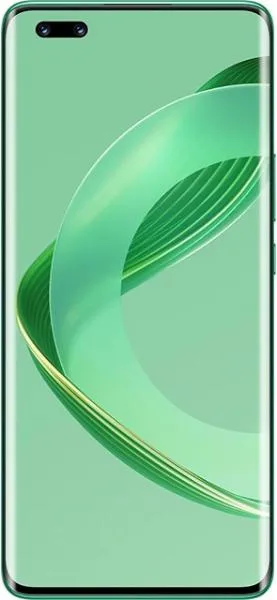
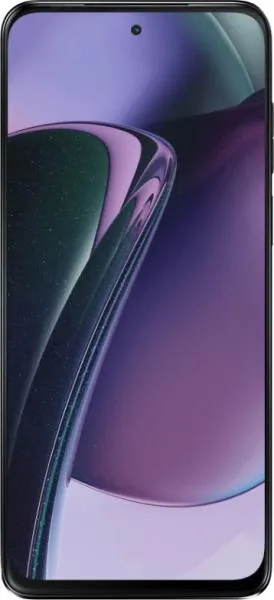
1. Specifications Comparison
| Feature | Huawei nova 11 Pro | Motorola Moto G Stylus 5G (2023) | Practical Impact |
|---|---|---|---|
| Design | |||
| Dimensions (mm) | 164.3 x 74.4 x 7.9 | 162.8 x 73.8 x 9.2 | Nova 11 Pro is slightly taller and narrower, but noticeably thinner. Moto G Stylus is thicker and heavier. |
| Weight (g) | 188 | 202 | Nova 11 Pro feels significantly lighter in hand, improving one-hand usage. |
| Build | Unspecified | Unspecified | Build quality and materials cannot be compared due to lack of information. |
| Display | |||
| Display Type | OLED | IPS LCD | Nova 11 Pro offers deeper blacks, more vibrant colors, and better power efficiency due to OLED technology. |
| Size (inches) | 6.78 | 6.6 | Nova 11 Pro has a slightly larger display. |
| Resolution | 1200 x 2652 | 1080 x 2400 | Nova 11 Pro offers significantly sharper visuals due to higher resolution. |
| Refresh Rate (Hz) | 120 | 120 | Both phones offer smooth scrolling and animations thanks to the 120Hz refresh rate. |
| Performance | |||
| Chipset | Snapdragon 778G 4G (6 nm) | Snapdragon 6 Gen 1 (4 nm) | While both are mid-range chips, the Snapdragon 6 Gen 1 in the Moto G Stylus is built on a smaller node, theoretically offering better power efficiency. Performance differences might be negligible in everyday tasks. |
| CPU | Octa-core (4x2.4 GHz & 4x1.8 GHz) | Octa-core (4x2.2 GHz & 4x1.8 GHz) | CPU performance should be comparable, though specific benchmarks are needed for a definitive conclusion. |
| GPU | Adreno 642L | Adreno 710 | Adreno 710 in the Moto G Stylus offers better graphical capabilities for gaming and demanding applications. |
| RAM | 8/12 GB (depending on version) | 4/6/8 GB (depending on version) | More RAM options available for the Nova 11 Pro. Higher RAM versions will provide better multitasking performance. |
| Camera | |||
| Main Camera | 50MP, f/1.9 | 50MP, f/1.88, OIS | Moto G Stylus benefits from Optical Image Stabilization (OIS) for steadier photos and videos, especially in low light. |
| Ultrawide | 8MP, f/2.2 | 8MP, f/2.2 | Comparable ultrawide cameras. |
| Selfie | 60MP, f/2.4 + 8MP Depth Sensor | 16MP, f/2.5 | Nova 11 Pro boasts a higher resolution selfie camera and a dedicated depth sensor for better portrait mode shots. |
| Battery | |||
| Capacity (mAh) | 4500 | 5000 | Moto G Stylus offers a larger battery capacity, potentially translating into longer battery life. |
| Charging Speed | Unspecified | Unspecified | Charging speeds cannot be compared due to lack of information. |
2. Key Differences Analysis
Huawei nova 11 Pro Advantages:
- Superior Display: The OLED display offers significantly better image quality.
- Lighter and Slimmer: More comfortable for one-handed use.
- Higher Resolution Display: Sharper images and text.
- Higher Resolution Selfie Camera: Better quality selfies and video calls.
Motorola Moto G Stylus 5G (2023) Advantages:
- Larger Battery: Potentially longer battery life.
- Optical Image Stabilization (OIS): Sharper photos and videos, especially in low light.
- Stylus Support: Offers unique note-taking and drawing capabilities (not explicitly mentioned but implied by the name).
- Potentially More Affordable: Depending on specific RAM/storage configurations.
3. User Profiles & Recommendations
Huawei nova 11 Pro: Ideal for users prioritizing display quality, a sleek design, and a high-resolution selfie camera. Best for social media enthusiasts, content consumption, and those who value a premium feel.
Motorola Moto G Stylus 5G (2023): Suitable for users who prioritize battery life, stable photography/videography, and stylus functionality. Best for students, note-takers, and budget-conscious buyers seeking all-around functionality.
4. Decision Framework
Key Questions for Buyers:
- Is display quality a top priority? If yes, the Nova 11 Pro's OLED screen is a clear winner.
- How important is battery life? The Moto G Stylus's larger battery likely offers longer usage time.
- Do you need a stylus for note-taking or drawing? The Moto G Stylus is the only option with this feature.
My Choice: Motorola Moto G Stylus 5G (2023)
Reasoning: While the Nova 11 Pro boasts a stunning display, the Moto G Stylus 5G offers a more practical overall package for my needs. The larger battery, OIS for the camera, and the implied stylus functionality outweigh the benefits of the OLED screen. The potential price difference further solidifies this choice, as I prioritize value for money. I frequently use my phone for photography and taking notes, making the Moto G Stylus a better fit for my usage patterns. The lack of specific pricing information makes a definitive judgment on value difficult, but based on the provided data, the Moto G Stylus appears to be a strong contender in the mid-range market.
