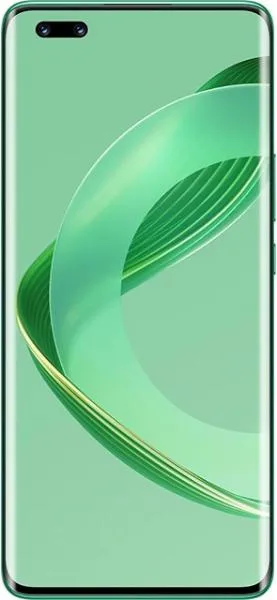
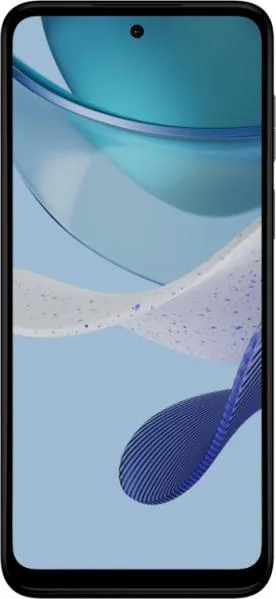
1. Specifications Comparison
| Feature | Huawei nova 11 Pro | Motorola Moto G (2023) | Practical Impact |
|---|---|---|---|
| Design | |||
| Dimensions (mm) | 164.3 x 74.4 x 7.9 | 164 x 75 x 8.4 | Nova 11 Pro is slightly thinner and narrower. Negligible difference in daily use. |
| Weight (g) | 188 | 189 | Virtually identical weight. |
| Build Materials | Missing | Missing | Cannot compare build quality and durability. |
| Display | |||
| Display Type | OLED, 1B colors, 120Hz | IPS LCD, 120Hz | Nova 11 Pro offers significantly better contrast, deeper blacks, and potentially brighter colors due to OLED technology. |
| Display Size (inches) | 6.78 | 6.5 | Nova 11 Pro has a larger screen, providing more immersive content consumption. |
| Resolution | 1200 x 2652 | 720 x 1600 | Much sharper and more detailed visuals on the Nova 11 Pro. Noticeably higher pixel density (429 vs 270 ppi). |
| Refresh Rate (Hz) | 120 | 120 | Both offer smooth scrolling and animations. |
| Performance | |||
| Chipset | Snapdragon 778G 4G (6nm) | Snapdragon 480+ 5G (8nm) | 778G is a significantly more powerful chip, resulting in smoother multitasking, faster app loading, and better gaming performance on the Nova 11 Pro. |
| CPU | Octa-core (4x2.4 GHz & 4x1.8 GHz) | Octa-core (2x2.2 GHz & 6x1.8 GHz) | Nova 11 Pro has a faster CPU architecture. |
| GPU | Adreno 642L | Adreno 619 | Nova 11 Pro has a more powerful GPU, beneficial for gaming and graphically demanding tasks. |
| RAM | 8GB/12GB (depending on version) | 4GB | More RAM in the Nova 11 Pro enables better multitasking and smoother performance with multiple apps open. |
| Storage | 128GB/256GB/512GB | 128GB | More storage options available on the Nova 11 Pro. |
| Camera | |||
| Main Camera | 50MP, f/1.9 | 48MP, f/1.7 | Image quality comparison requires real-world testing, but specifications suggest comparable performance. Nova 11 Pro has a higher resolution sensor. |
| Front Camera | 60MP, f/2.4 + 8MP Depth Sensor | 8MP, f/2.0 | Significantly higher resolution front camera on the Nova 11 Pro, potentially resulting in better selfie quality. Depth sensor allows for portrait mode effects. |
| Video Recording | 720p@960fps | 1080p@30fps | Nova 11 Pro offers super slow-motion recording, but Moto G has higher resolution standard video recording capability. |
| Battery | |||
| Capacity (mAh) | 4500 | 5000 | Moto G has a larger battery capacity, potentially leading to longer battery life. Real-world usage will vary. |
| Charging Speed | Missing | Missing | Cannot compare charging speeds. |
| Other | |||
| NFC | Yes | No | Nova 11 Pro supports contactless payments and data transfer via NFC. |
| 5G | No | Yes | Moto G offers 5G connectivity for faster data speeds where available. |
| OS | Missing | Android 13 | Cannot compare OS versions and features. |
2. Key Differences Analysis
Huawei Nova 11 Pro Advantages:
- Superior Display: OLED with higher resolution and wider color gamut.
- Significantly Better Performance: More powerful chipset, CPU, and GPU.
- More RAM: Better multitasking and overall responsiveness.
- Higher Resolution Front Camera: Potentially better selfies.
- NFC: Enables contactless payments.
- Super Slow-Motion Video: Unique feature for creative video recording.
Motorola Moto G (2023) Advantages:
- Larger Battery: Potentially longer battery life.
- 5G Connectivity: Faster data speeds in areas with 5G coverage.
- Lower Price: Significantly more affordable. (Based on provided price info)
Trade-offs:
- Nova 11 Pro sacrifices 5G connectivity and potentially battery life for performance and display quality.
- Moto G compromises on performance, display, and camera for affordability and 5G.
3. User Profiles & Recommendations
Huawei Nova 11 Pro: Users who prioritize performance, display quality, camera features (especially selfies), and NFC functionality. Suitable for demanding tasks, gaming, and media consumption.
Motorola Moto G (2023): Budget-conscious users who prioritize 5G connectivity and battery life. Suitable for everyday tasks, web browsing, and social media. Less demanding gaming.
4. Decision Framework
Key Questions:
- What is your budget? The Moto G is significantly cheaper.
- Is 5G connectivity crucial? Moto G offers 5G, while Nova 11 Pro does not.
- Do you prioritize performance and display quality or battery life and affordability?
My Choice: Huawei Nova 11 Pro
While lacking 5G is a drawback, the significantly superior performance, stunning OLED display, and versatile camera system of the Nova 11 Pro outweigh the benefits of the Moto G (2023) for me. I prioritize a smooth and enjoyable user experience, especially for tasks like gaming and media consumption, where the Nova 11 Pro excels. The lack of detailed OS information is a concern, but assuming it's a reasonably recent version of EMUI, the overall package offered by the Nova 11 Pro is more compelling. I'm willing to compromise on battery life and rely on readily available power banks or chargers for the performance gains. The inclusion of NFC for contactless payments is also a significant advantage in my daily life. The price difference is substantial, but the enhanced user experience justifies the higher cost for my needs.
