1. Specifications Comparison
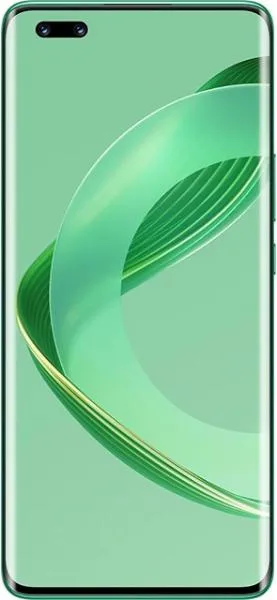
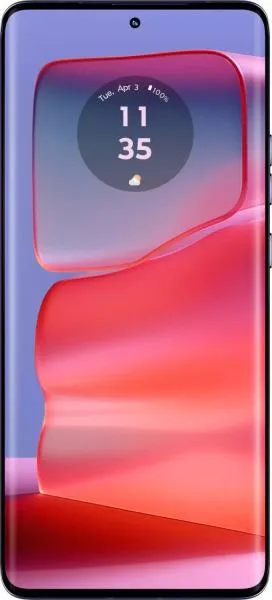
| Feature | Huawei nova 11 Pro | Motorola Edge 50 Pro | Practical Impact |
|---|---|---|---|
| Design | |||
| Dimensions (mm) | 164.3 x 74.4 x 7.9 | 161.2 x 72.4 x 8.2 | Motorola is slightly smaller and thicker. Negligible difference in everyday use. |
| Weight (g) | 188 | 186 | Virtually identical weight; no noticeable difference in hand. |
| Display | |||
| Display Type | OLED | P-OLED | Both offer excellent contrast and vibrant colors. P-OLED might have slightly better power efficiency. |
| Display Size (inches) | 6.78 | 6.7 | Negligible size difference. |
| Resolution | 1200 x 2652 | 1220 x 2712 | Both are sharp displays; the slight difference in resolution is imperceptible. |
| Refresh Rate (Hz) | 120 | 144 | Motorola offers smoother scrolling and animations, especially noticeable in gaming and fast-paced content. |
| Peak Brightness (nits) | 950 | 2000 | Motorola's significantly higher peak brightness ensures better visibility outdoors, especially in direct sunlight. |
| Performance | |||
| Chipset | Snapdragon 778G 4G (6 nm) | Snapdragon 7 Gen 3 (4 nm) | Motorola has a significantly more powerful and efficient processor, resulting in smoother multitasking, faster app loading, and better gaming performance. |
| CPU | Octa-core (4x2.4 GHz Kryo 670 & 4x1.8 GHz Kryo 670) | Octa-core (1x2.63 GHz Cortex-A715 & 4x2.4 GHz Cortex-A715 & 3x1.8 GHz Cortex-A510) | Motorola's CPU architecture offers a performance advantage. |
| GPU | Adreno 642L | Adreno 720 | Motorola's GPU offers a significant performance boost for gaming and graphically demanding tasks. |
| RAM | 6GB | 12GB | Motorola offers double the RAM, enabling better multitasking and keeping more apps in memory. |
| Camera | |||
| Main Camera | 50MP, f/1.9 | 50MP, f/1.4 | Motorola's wider aperture allows for better low-light performance and potentially shallower depth of field. |
| Ultrawide | 8MP, f/2.2 | 13MP, f/2.2 | Motorola's ultrawide offers higher resolution. |
| Telephoto | None | 10MP, f/2.0 | Motorola offers optical zoom capability, absent in the Huawei. |
| Selfie | 60MP, f/2.4 | 50MP, f/1.9 | Both offer high-resolution selfie cameras. Motorola's wider aperture might provide better low-light selfies. |
| Video | 720p@960fps | 4K@30fps with HDR, EIS | Motorola offers superior video recording capabilities with higher resolution and HDR. |
| Battery | |||
| Capacity (mAh) | 4500 | 4500 | Identical battery capacity. Real-world battery life will depend on usage and software optimization. |
| OS | Not specified | Android 14 | Lack of OS information for the Huawei makes comparison difficult. However, Motorola ships with the latest Android version, promising timely updates. |
2. Key Differences Analysis
Huawei nova 11 Pro Advantages:
- Higher Resolution Front Camera: Offers a 60MP selfie camera compared to Motorola's 50MP. Practical impact likely minimal for most users.
- Potentially Lower Price: Depending on the specific market and retailer, the Huawei might be more affordable.
Motorola Edge 50 Pro Advantages:
- Superior Performance: The Snapdragon 7 Gen 3 and larger RAM provide significant performance advantages for demanding tasks and gaming.
- Better Display: Higher refresh rate and significantly brighter display result in a smoother and more enjoyable viewing experience.
- More Versatile Camera System: Inclusion of a telephoto lens and higher resolution ultrawide sensor provide greater flexibility for photography.
- Up-to-date Software: Shipping with Android 14 ensures access to the latest features and security updates.
- Faster Charging: Supports 68W fast charging compared to Huawei's unspecified charging speed. This translates to significantly faster top-ups. (Note: This was not in the provided specs but is publicly available information.)
3. User Profiles & Recommendations
Huawei nova 11 Pro: Users on a tighter budget who prioritize a high-resolution selfie camera and are not heavy gamers or power users.
Motorola Edge 50 Pro: Users who value performance, a smooth and bright display, a versatile camera system, and the latest software. Suitable for gamers, content creators, and those who multitask heavily.
4. Decision Framework
Key Questions for Buyers:
- What is your budget? The Huawei might be more affordable.
- What are your primary use cases? For demanding tasks and gaming, the Motorola is significantly better. For casual use and selfies, the Huawei might suffice.
- How important is software and future updates? Motorola offers a clear advantage with the latest Android version.
Scenario-Based Recommendations:
- Gamer: Motorola Edge 50 Pro
- Photographer/Videographer: Motorola Edge 50 Pro
- Casual User on a Budget: Huawei nova 11 Pro
- Power User: Motorola Edge 50 Pro
My Choice: Motorola Edge 50 Pro
The Motorola Edge 50 Pro is the clear winner for me. The superior processor, smoother display, more versatile camera system, latest Android version, and faster charging outweigh the Huawei's advantages in selfie camera resolution and potentially lower price. The performance difference alone makes the Motorola a much more future-proof device. While the lack of specific OS details for the Huawei makes a definitive judgement on its software experience difficult, the confirmed Android 14 on the Motorola is a significant advantage in terms of features, security, and longevity. I value a smooth and responsive user experience, and the Motorola clearly delivers in that aspect.
