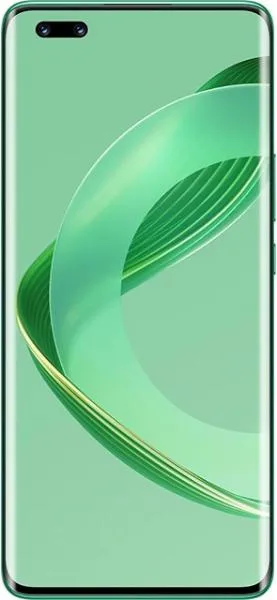
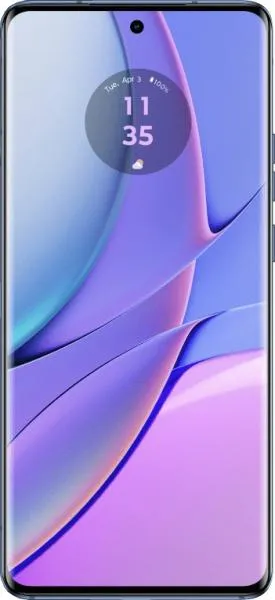
1. Specifications Comparison
| Feature | Huawei nova 11 Pro | Motorola Edge 40 | Practical Impact |
|---|---|---|---|
| Design | |||
| Dimensions (mm) | 164.3 x 74.4 x 7.9 | 158.4 x 72 x 7.6 | Motorola Edge 40 is noticeably smaller and slightly thinner, making it potentially more pocketable and comfortable for one-handed use. |
| Weight (g) | 188 | 167 | The Motorola Edge 40 is significantly lighter, reducing hand fatigue during extended use. |
| Build | Build materials are not specified for either phone, limiting a comprehensive comparison. | ||
| Display | |||
| Display Type | OLED | p-OLED | Both offer excellent contrast and deep blacks. p-OLED can be more power efficient, especially with darker content. |
| Size (inches) | 6.78 | 6.55 | Huawei offers a larger screen for more immersive media consumption. |
| Resolution | 1200 x 2652 | 1080 x 2400 | Huawei boasts a sharper display with higher pixel density (429 ppi vs 402 ppi), resulting in crisper text and images. |
| Refresh Rate (Hz) | 120 | 144 | Motorola Edge 40's higher refresh rate provides smoother animations and scrolling, beneficial for gaming and fast-paced content. |
| Peak Brightness (nits) | 950 | 1200 | Motorola's significantly higher peak brightness ensures better visibility in direct sunlight. |
| Performance | |||
| Chipset | Snapdragon 778G 4G (6 nm) | Dimensity 8020 (6 nm) | Dimensity 8020 generally benchmarks higher than the Snapdragon 778G, indicating potentially better performance in demanding tasks and gaming. However, real-world performance can vary. |
| CPU | Octa-core (4x2.4 GHz Kryo 670 & 4x1.8 GHz Kryo 670) | Octa-core (4x2.6 GHz Cortex-A78 & 4x2.0 GHz Cortex-A55) | Both offer comparable CPU performance for everyday tasks. |
| GPU | Adreno 642L | Mali-G77 MC9 | Mali-G77 MC9 generally offers better graphical performance compared to Adreno 642L, potentially leading to smoother gaming experiences. |
| RAM (GB) | 6/8/12 (depending on version) | 8 | Motorola Edge 40 offers ample RAM for multitasking. Huawei offers multiple RAM configurations for varied needs and budgets. |
| Camera | |||
| Main Camera (MP) | 50 | 50 | Both phones have comparable main camera resolution. |
| Main Camera Aperture | f/1.9 | f/1.4 | Motorola Edge 40's wider aperture allows for better low-light performance and shallower depth of field. |
| Ultrawide (MP) | 8 | 13 | Motorola offers a higher resolution ultrawide camera for capturing wider scenes with more detail. |
| Selfie Camera (MP) | 60 | 32 | Huawei has a significantly higher resolution selfie camera. |
| Video Capabilities | 720p@960fps | Up to 4K@30fps, 720p@960fps | Motorola offers more versatile video recording options, including 4K recording. |
| Battery | |||
| Capacity (mAh) | 4500 | 4400 | Similar battery capacities suggest comparable battery life. However, real-world usage can significantly impact battery performance. |
| Charging | Charging speeds are not specified for either phone, making a direct comparison impossible. |
2. Key Differences Analysis
Huawei nova 11 Pro Advantages:
- Sharper Display: Higher resolution for crisper visuals.
- Larger Display: More immersive media consumption.
- Higher Resolution Selfie Camera: Potentially better quality selfies.
Motorola Edge 40 Advantages:
- Higher Refresh Rate Display: Smoother scrolling and animations.
- Brighter Display: Better visibility in sunlight.
- More Powerful GPU: Improved gaming performance.
- Wider Main Camera Aperture: Enhanced low-light photography.
- Higher Resolution Ultrawide Camera: More detailed wide-angle shots.
- More Versatile Video Recording: Including 4K and various slow-motion options.
- Lighter and Smaller: More comfortable for one-handed use and portability.
3. User Profiles & Recommendations
Huawei nova 11 Pro: Users prioritizing a sharp, large display for media consumption and a high-resolution selfie camera.
Motorola Edge 40: Users prioritizing performance, a smooth and bright display, versatile camera features, and a lightweight, compact design. Gamers and photography enthusiasts would likely prefer the Edge 40.
4. Decision Framework
Key Questions for Buyers:
- What is your budget? The prices provided indicate they are in a similar range, but actual retail pricing should be confirmed.
- What are your primary use cases? Gaming, photography, media consumption, or general use?
- Do you prioritize display quality or portability? A larger, sharper display versus a smaller, lighter phone.
My Choice: Motorola Edge 40
While the Huawei nova 11 Pro offers a sharper and larger display, the Motorola Edge 40 provides a more well-rounded package. Its superior performance, brighter and smoother display, more versatile camera system, and lighter/smaller form factor make it a more compelling device for a wider range of users. The wider aperture on the main camera significantly improves low-light photography, a common weakness in smartphones. The higher refresh rate screen provides a tangible improvement in daily use. While I acknowledge the Huawei's strengths in display sharpness and selfie camera resolution, the Motorola's advantages in other key areas outweigh them for me. Ultimately, the Motorola Edge 40 offers a more enjoyable and practical user experience for my needs.
