
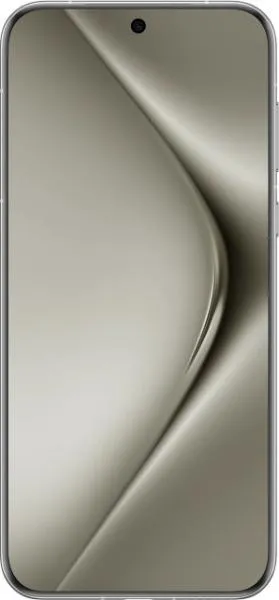
1. Specifications Comparison
| Feature | Huawei nova 11 Pro | Huawei Pura 70 Pro | Practical Impact |
|---|---|---|---|
| Design | |||
| Dimensions (mm) | 164.3 x 74.4 x 7.9 | 162.6 x 75.1 x 8.4 | Nova 11 Pro is slightly taller and thinner, Pura 70 Pro slightly wider and thicker. Negligible difference in everyday use. |
| Weight (g) | 188 | 220 | Nova 11 Pro is noticeably lighter, reducing hand fatigue during extended use. |
| Display | |||
| Size (inches) | 6.78 | 6.8 | Virtually identical screen sizes. |
| Resolution (px) | 1200 x 2652 | 1260 x 2844 | Pura 70 Pro has a slightly higher resolution, potentially offering marginally sharper text and images. |
| Type | OLED | LTPO OLED | Pura 70 Pro utilizes LTPO technology, enabling dynamic refresh rate adjustment for improved power efficiency. |
| Refresh Rate (Hz) | 120 | 120 | Both offer smooth scrolling and animations thanks to the 120Hz refresh rate. |
| Peak Brightness (nits) | 950 | 2500 | Pura 70 Pro offers significantly higher peak brightness, ensuring better visibility in direct sunlight. |
| Performance | |||
| Chipset | Snapdragon 778G 4G (6 nm) | Kirin 9010 (7 nm) | Kirin 9010 is a flagship-level processor, expected to deliver significantly better performance than the mid-range Snapdragon 778G, especially in demanding tasks and gaming. |
| CPU | Octa-core (4x2.4 GHz & 4x1.8 GHz) | Octa-core (1x2.3 GHz & 3x2.18 GHz & 4x1.55 GHz) | Kirin 9010's core configuration suggests a more powerful architecture, leading to faster processing speeds. |
| GPU | Adreno 642L | Maleoon 910 | Maleoon 910, being a newer GPU designed for flagship performance, should outperform the Adreno 642L in graphics-intensive applications. |
| RAM (GB) | 6/8/12 (depending on version) | 12 | Pura 70 Pro offers more RAM in the analyzed version, ensuring smoother multitasking and better performance with multiple apps open. |
| Camera | |||
| Rear Camera | 50MP Main, 8MP Wide + Macro | 50MP Main, 12.5MP Wide, 48MP Telephoto | Pura 70 Pro boasts a triple camera system with a dedicated telephoto lens for optical zoom, offering greater versatility. Nova 11 Pro lacks optical zoom. |
| Front Camera | 60MP Main, 8MP Depth | 13MP | Nova 11 Pro has a much higher resolution front camera, potentially capturing more detailed selfies. However, megapixels alone don't guarantee image quality. |
| Battery | |||
| Capacity (mAh) | 4500 | 5050 | Pura 70 Pro has a larger battery, likely translating to longer battery life. |
2. Key Differences Analysis
Huawei nova 11 Pro Advantages:
- Lighter and more compact: Easier to handle and carry.
- Higher resolution front camera: Potentially better selfies (image quality dependent on other factors).
- Potentially more affordable: Depending on specific market prices.
Huawei Pura 70 Pro Advantages:
- Significantly more powerful processor and GPU: Superior performance for demanding tasks and gaming.
- Larger battery: Longer battery life.
- LTPO display: More power-efficient.
- Triple rear camera with telephoto lens: More versatile photography capabilities.
- More RAM: Smoother multitasking.
- Higher peak brightness: Better outdoor visibility.
- Faster USB standard (3.1 vs 2.0): Quicker data transfer and potentially faster charging if supported by the charger.
3. User Profiles & Recommendations
Huawei nova 11 Pro:
- Ideal User: Casual users prioritizing a lightweight, stylish design for everyday tasks, social media, and web browsing. Users who value selfie quality.
- Use Cases: Casual photography, social media, web browsing, light gaming.
Huawei Pura 70 Pro:
- Ideal User: Power users, gamers, and photography enthusiasts who demand top-tier performance, long battery life, and versatile camera capabilities.
- Use Cases: Demanding gaming, professional photography/videography, multitasking, content creation.
4. Decision Framework
Key Questions for Buyers:
- What is your budget? The Pura 70 Pro is likely more expensive.
- What are your primary smartphone usage patterns? Casual use vs. demanding tasks.
- Which features are most important to you? Camera versatility, performance, battery life, portability.
Scenario-Based Recommendations:
- Limited Budget, Casual User: Nova 11 Pro
- Power User, Gamer, Photography Enthusiast: Pura 70 Pro
My Choice: Huawei Pura 70 Pro
While the Nova 11 Pro offers a lighter design and potentially better selfies, the Pura 70 Pro's superior performance, versatile camera system with a telephoto lens, larger battery, LTPO display, and faster USB standard make it a more compelling overall package for my needs. I prioritize long-term performance and features that enhance productivity and creativity, making the Pura 70 Pro a better investment despite the likely higher price. The significantly faster processor and larger RAM are crucial for future-proofing the device. The telephoto lens adds much-needed versatility for photography. Finally, the LTPO display offers a good balance between a smooth user experience and battery life.
