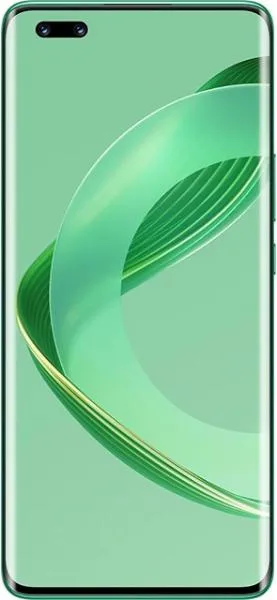
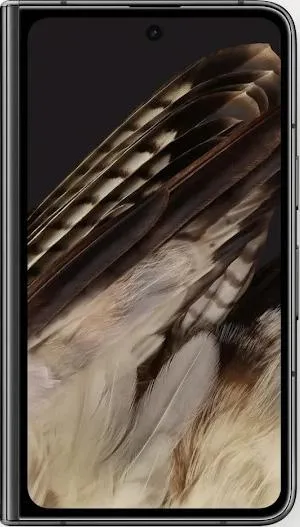
1. Specifications Comparison
| Feature | Huawei nova 11 Pro | Google Pixel Fold | Practical Impact |
|---|---|---|---|
| Design | |||
| Dimensions (mm) | 164.3 x 74.4 x 7.9 | 139.7 x 158.7 x 5.8 | Pixel Fold is significantly wider due to its folding design, but thinner when folded. Nova 11 Pro is a more traditional candybar form factor. |
| Weight (g) | 188 | 283 | Pixel Fold is noticeably heavier due to its folding mechanism and larger battery. |
| Foldable | No | Yes | Pixel Fold offers a larger screen in a pocketable size due to its folding capability. Nova 11 Pro is more pocketable in its standard form. |
| Display | |||
| Display Size (inches) | 6.78 | 7.6 (unfolded), 5.8 (folded) | Pixel Fold offers a significantly larger main display for multitasking and media consumption, but a smaller external display for quick interactions. |
| Resolution (px) | 1200 x 2652 | 1840 x 2208 (unfolded), 1080 x 2092 (folded) | Both offer sharp displays, but Pixel Fold's unfolded display provides a more immersive experience. |
| Display Type | OLED, 120Hz | Foldable OLED, 120Hz | Both have smooth, high refresh rate OLED displays. Pixel Fold's folding display introduces a crease, potentially impacting visual experience. |
| Performance | |||
| Chipset | Snapdragon 778G 4G (6 nm) | Google Tensor G2 (5 nm) | Tensor G2 generally offers better performance and AI capabilities, while Snapdragon 778G focuses on power efficiency. |
| CPU | Octa-core (4x2.4 GHz & 4x1.8 GHz Kryo 670) | Octa-core (2x2.85 GHz & 2x2.35 GHz & 4x1.80 GHz) | Pixel Fold has a more powerful CPU, leading to smoother multitasking and faster app loading. |
| RAM (GB) | 6/8/12 | 12 | Pixel Fold offers more RAM, enabling better multitasking and background app retention. |
| Camera | |||
| Rear Camera (MP) | 50 MP (Main) + 8 MP (Wide) | 48 MP (Main) + 10.8 MP (Wide) + 10.8 MP (Telephoto) | Pixel Fold boasts a triple camera system with a dedicated telephoto lens for optical zoom, offering greater versatility. |
| Front Camera (MP) | 60 MP + 8MP | 9.5 MP (External), 8 MP (Internal) | Nova 11 Pro features a higher resolution main selfie camera. Pixel Fold offers both internal and external selfie options due to its foldable design. |
| Battery | |||
| Capacity (mAh) | 4500 | 4821 | Pixel Fold has a slightly larger battery capacity, potentially offering longer battery life, but powering a larger, higher resolution display also consumes more power. |
2. Key Differences Analysis
Huawei nova 11 Pro Advantages:
- Lighter and more pocketable: Its traditional design makes it easier to carry and use one-handed.
- Higher resolution front-facing camera: Better for selfie enthusiasts.
- Potentially more affordable: Typically priced lower than the Pixel Fold.
Google Pixel Fold Advantages:
- Larger, foldable display: Offers a more immersive experience for multimedia and multitasking.
- More powerful processor and RAM: Smoother performance for demanding tasks and gaming.
- More versatile camera system: Telephoto lens enables optical zoom and better overall photography experience.
- Latest Android OS and updates: Guaranteed software updates for longer.
Trade-offs:
- Pixel Fold's weight and bulk: Compromises portability for the larger screen.
- Nova 11 Pro's lack of 5G and limited software updates: Potential future-proofing concerns. Missing OS data prevents a complete evaluation.
- Pixel Fold's higher price: Significant cost difference compared to the Nova 11 Pro.
3. User Profiles & Recommendations
Huawei nova 11 Pro:
- Ideal User: Budget-conscious users prioritizing a lightweight, stylish phone with a good selfie camera. Users comfortable with potential software limitations.
- Use Cases: Social media, casual photography, everyday communication, light gaming.
Google Pixel Fold:
- Ideal User: Power users who value a large screen for productivity and multimedia, and are willing to pay a premium for the latest technology.
- Use Cases: Multitasking, media consumption, demanding gaming, professional photography, taking advantage of foldable form factor for unique usage scenarios like hands-free video calls.
4. Decision Framework
Key Questions for Buyers:
- What is your budget? The Pixel Fold is significantly more expensive.
- How important is screen size and multitasking? The Pixel Fold's larger, foldable display is a major differentiator.
- Do you prioritize portability or performance? The Nova 11 Pro is lighter and more pocketable, while the Pixel Fold offers superior performance.
Scenario-Based Recommendations:
- Limited budget, casual user: Huawei nova 11 Pro.
- Power user, prioritize productivity: Google Pixel Fold.
- Value seeker, need a large screen but on a budget: Consider other large-screen non-folding options.
My Choice: Google Pixel Fold
While the Huawei nova 11 Pro offers a compelling package for its price, I would choose the Google Pixel Fold. The foldable form factor, larger internal display, powerful processor, superior camera system, and guaranteed software updates are compelling advantages for my needs. I prioritize productivity and multimedia consumption, and I am willing to accept the trade-offs of increased weight and price for the benefits of a foldable device. The access to the latest Android features and security updates ensures a longer lifespan for the device. The lack of clear OS information on the Nova 11 Pro raises concerns about long-term usability. While the Nova 11 Pro excels in specific areas like its selfie camera, the Pixel Fold's overall package is more future-proof and caters to a wider range of demanding tasks.
