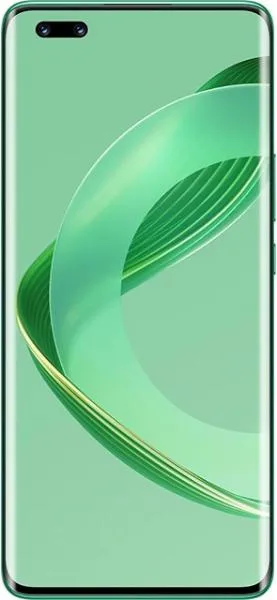

1. Specifications Comparison
| Feature | Huawei nova 11 Pro | Google Pixel 8 Pro | Practical Impact |
|---|---|---|---|
| Design | |||
| Dimensions (mm) | 164.3 x 74.4 x 7.9 | 162.6 x 76.5 x 8.8 | Pixel 8 Pro is slightly shorter and wider, also thicker. Nova 11 Pro is noticeably lighter. |
| Weight (g) | 188 | 213 | Nova 11 Pro is more comfortable for extended use and one-handed operation. |
| Build Material | Not specified | Not specified | Cannot compare build quality and durability without this information. |
| Display | |||
| Display Type | OLED, 120Hz | LTPO OLED, 120Hz | Both offer smooth scrolling and animations. Pixel's LTPO allows for variable refresh rate, potentially saving battery. |
| Display Size (inches) | 6.78 | 6.7 | Negligible size difference in real-world usage. |
| Resolution | 1200 x 2652 | 1344 x 2992 | Pixel 8 Pro has a sharper display with higher pixel density, leading to clearer text and images. |
| Peak Brightness (nits) | 950 | 2400 | Pixel 8 Pro offers significantly better outdoor visibility in direct sunlight. |
| Performance | |||
| Chipset | Snapdragon 778G 4G (6nm) | Google Tensor G3 (4nm) | Tensor G3 is a more powerful and efficient chip, enabling faster performance and potentially better battery life. |
| CPU | Octa-core (4x2.4 GHz & 4x1.8 GHz) | Nona-core (1x3.0 GHz & 4x2.45 GHz & 4x2.15 GHz) | Pixel 8 Pro boasts superior processing power for demanding tasks and multitasking. |
| GPU | Adreno 642L | Immortalis-G715s MC10 | Pixel 8 Pro will offer significantly better gaming and graphics performance. |
| RAM | 6GB/8GB/12GB | 12GB | Pixel 8 Pro offers more RAM for smoother multitasking and demanding applications. |
| Camera | |||
| Rear Camera | 50MP Main, 8MP Wide + Macro | 50MP Main, 48MP Wide + Macro, 48MP Telephoto | Pixel 8 Pro offers a more versatile camera system with a dedicated telephoto lens for optical zoom. |
| Front Camera | 60MP Main, 8MP Depth | 10.8MP | Higher megapixel count doesn't guarantee better image quality. Pixel's camera software processing is renowned. |
| Video Recording | 720p@960fps | Up to 4K@60fps with HDR, OIS, EIS | Pixel 8 Pro offers superior video recording capabilities with higher resolution, frame rates, and stabilization. |
| Battery | |||
| Capacity (mAh) | 4500 | 5050 | Pixel 8 Pro offers longer battery life. |
| Charging Speed | Not specified | Not specified | Cannot compare charging speeds without specific data. |
2. Key Differences Analysis
Huawei nova 11 Pro Advantages:
- Lighter and Thinner: More comfortable for one-handed use and portability.
- Higher Resolution Front Camera: Potentially better for detailed selfies, though real-world performance depends on sensor and software processing.
Google Pixel 8 Pro Advantages:
- Significantly More Powerful: Tensor G3 chip offers superior performance for demanding tasks and gaming.
- Brighter and Sharper Display: Better outdoor visibility and a more immersive viewing experience.
- More Versatile Camera System: Dedicated telephoto lens and superior video recording capabilities.
- Larger Battery: Longer battery life.
- Latest Android OS and Updates: Ensures access to new features, security patches, and longer software support.
- Superior Connectivity: WiFi 7 and Bluetooth 5.3 provide faster speeds and more reliable connections.
Trade-offs:
- The Pixel 8 Pro's superior performance and features come at the cost of a higher price and heavier weight.
- The Nova 11 Pro prioritizes a slim and lightweight design, potentially compromising on performance and battery life.
3. User Profiles & Recommendations
Huawei nova 11 Pro: Users prioritizing a lightweight and stylish phone for everyday tasks, social media, and casual photography. Budget-conscious buyers seeking a mid-range device.
Google Pixel 8 Pro: Power users, mobile photographers and videographers, gamers, and those who value the latest technology, software updates, and a premium user experience.
4. Decision Framework
Key Questions for Buyers:
- What is your budget? The Pixel 8 Pro is a flagship device with a higher price tag.
- What are your primary use cases? Consider whether you need the extra processing power, camera capabilities, and battery life of the Pixel 8 Pro.
- Do you prioritize design and portability or performance and features? The Nova 11 Pro excels in the former, while the Pixel 8 Pro excels in the latter.
My Choice: Google Pixel 8 Pro
While the Huawei Nova 11 Pro offers a sleek and lightweight design, the Google Pixel 8 Pro is the clear winner for me. Its superior performance, vastly improved display, more versatile camera system with renowned Google image processing, larger battery, and the promise of long-term software updates make it a much more compelling device overall. The advantages in core functionality and future-proofing outweigh the slight difference in weight and price. The Pixel's focus on user experience and consistent software updates aligns better with my personal preferences. The inclusion of a telephoto lens is also a crucial factor for my photography needs.
