1. Specifications Comparison
| Feature | Huawei nova 11 Pro | Google Pixel 8 | Practical Impact |
|---|---|---|---|
| Design | |||
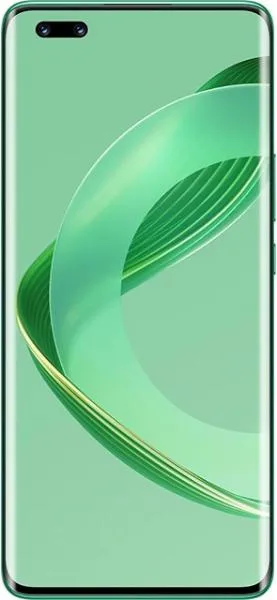
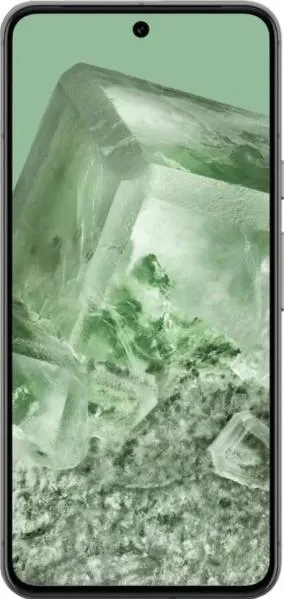
| Dimensions (mm) | 164.3 x 74.4 x 7.9 | 150.5 x 70.8 x 8.9 | Pixel 8 is noticeably smaller and slightly thicker, making it potentially more pocketable but less sleek. |
| Weight (g) | 188 | 187 | Negligible weight difference. |
| Build | Unspecified | Unspecified | Build quality and materials cannot be compared without further information. |
| Display | |||
| Size (inches) | 6.78 | 6.2 | Nova 11 Pro offers a significantly larger screen for more immersive media consumption. |
| Resolution | 1200 x 2652 | 1080 x 2400 | Nova 11 Pro has a sharper display due to higher resolution, but the difference might not be noticeable in everyday use. |
| Type | OLED, 120Hz | OLED, 120Hz | Both offer smooth scrolling and animations thanks to the 120Hz refresh rate. |
| Peak Brightness (nits) | 950 | 2000 | Pixel 8's significantly higher peak brightness ensures better visibility in direct sunlight. |
| Performance | |||
| Chipset | Snapdragon 778G 4G (6nm) | Google Tensor G3 (4nm) | Tensor G3, being a newer generation chip built on a smaller process, is expected to offer superior performance and power efficiency. |
| CPU | Octa-core (4x2.4 GHz Kryo 670 & 4x1.8 GHz Kryo 670) | Nona-core (1x3.0 GHz Cortex-X3 & 4x2.45 GHz Cortex-A715 & 4x2.15 GHz Cortex-A510) | Tensor G3's more modern architecture and higher clock speeds should result in faster processing and multitasking. |
| GPU | Adreno 642L | Immortalis-G715s MC10 | Immortalis-G715s MC10 is likely to provide a better gaming experience with higher frame rates and smoother graphics. |
| RAM | 6/8/12GB | 8GB | RAM options vary for Nova 11 Pro; higher RAM generally allows for smoother multitasking. |
| Camera | |||
| Main Camera | 50MP, f/1.9 | 50MP, f/1.69, OIS | Pixel 8's wider aperture and Optical Image Stabilization (OIS) should deliver better low-light performance and sharper images. |
| Ultrawide | 8MP, f/2.2 | 12MP, f/2.2 | Pixel 8 offers a higher resolution ultrawide camera for more detailed shots. |
| Selfie | 60MP, f/2.4 | 10.8MP, f/2.2 | Nova 11 Pro boasts a significantly higher resolution selfie camera, but megapixels alone don't guarantee better image quality. Pixel's camera software processing is known for its excellence. |
| Video | 720p@960fps | Up to 4K@60fps with HDR, OIS, EIS | Pixel 8 offers superior video recording capabilities with higher resolution, frame rates, and stabilization. |
| Battery | |||
| Capacity | 4500 mAh | 4575 mAh | Negligible difference in battery capacity. Real-world battery life will depend on usage patterns and software optimization. |
| Charging | Unspecified | Unspecified | Charging speeds cannot be compared without further details. |
2. Key Differences Analysis
Huawei nova 11 Pro Advantages:
- Larger Display: Offers a more immersive experience for media consumption and gaming.
- Higher Resolution Display: Potentially sharper visuals, although the difference might not be noticeable to all users.
- Higher Resolution Selfie Camera: Potentially more detailed selfies, depending on software processing.
- Variety of RAM Options: Caters to different user needs and budgets.
Google Pixel 8 Advantages:
- More Powerful Processor: Faster performance for demanding tasks and gaming.
- Better GPU: Smoother graphics and higher frame rates in games.
- Superior Camera System: Wider aperture, OIS, and advanced software processing lead to better overall image and video quality.
- Brighter Display: Excellent outdoor visibility.
- More Comprehensive 5G Band Support: Potentially better connectivity in more regions.
- Longer Software Support: Pixel phones are known for receiving timely software updates for several years.
Trade-offs:
- Nova 11 Pro: Larger display might be less pocketable. Lack of 5G might be a limitation for some users. Uncertainty regarding software updates.
- Pixel 8: Smaller display might be less immersive for media consumption.
3. User Profiles & Recommendations
Huawei nova 11 Pro: Users prioritizing a large, sharp display for media consumption, casual gaming, and taking selfies. Budget-conscious buyers looking for a stylish phone with decent performance.
Google Pixel 8: Users prioritizing overall performance, camera quality, long-term software updates, and 5G connectivity. Ideal for power users, mobile photographers, and those who value a smooth and up-to-date Android experience.
4. Decision Framework
Key Questions for Buyers:
- What is your budget?
- What are your primary use cases (e.g., photography, gaming, media consumption)?
- How important are software updates and 5G connectivity?
Scenario-Based Recommendations:
- Budget-conscious user primarily focused on social media and media consumption: Huawei nova 11 Pro might be a good option.
- Power user who values performance, camera quality, and future-proofing: Google Pixel 8 is the clear winner.
- Photographer or videographer: Google Pixel 8's superior camera system and video capabilities make it the better choice.
My Choice: Google Pixel 8
Reasoning: While the Nova 11 Pro offers a larger display, the Pixel 8's superior performance, camera system, software support, and 5G connectivity make it a more compelling overall package for my needs. I prioritize a smooth user experience, long-term software updates, and excellent camera quality, all of which the Pixel 8 delivers. The more powerful processor and GPU future-proof the device better than the Nova 11 Pro. Although I appreciate a larger screen, the performance and camera advantages of the Pixel 8 outweigh the size difference for me. The lack of detailed specifications regarding charging speeds and build materials for the Nova 11 Pro also makes it difficult to fully assess its value proposition. Finally, the Pixel's guaranteed long-term software updates and broader 5G band support provide peace of mind and ensure a better long-term user experience.
