
1. Specifications Comparison
| Feature | Huawei nova 11 Pro | Asus Zenfone 10 | Practical Impact |
|---|---|---|---|
| Design | |||
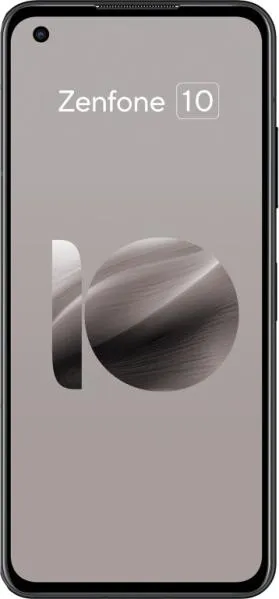
| Dimensions (mm) | 164.3 x 74.4 x 7.9 | 146.5 x 68.1 x 9.4 | Zenfone 10 is significantly smaller and more pocketable. Nova 11 Pro is thinner. |
| Weight (g) | 188 | 172 | Zenfone 10 is noticeably lighter for comfortable one-handed use. |
| Display | |||
| Size (inches) | 6.78 | 5.92 | Nova 11 Pro offers a much larger screen for media consumption; Zenfone 10 is better for one-handed use. |
| Resolution | 1200 x 2652 | 1080 x 2400 | Both are sharp, but Nova 11 Pro's higher resolution might offer slightly more detail. |
| Type | OLED, 120Hz | AMOLED, 144Hz | Both offer vibrant colors and deep blacks. Zenfone 10's 144Hz refresh rate provides smoother scrolling and gaming. |
| Performance | |||
| Chipset | Snapdragon 778G 4G (6 nm) | Snapdragon 8 Gen 2 (4 nm) | Zenfone 10 boasts a significantly more powerful processor for demanding tasks and gaming. Nova 11 Pro is a mid-range chip. |
| CPU | Octa-core (4x2.4 GHz & 4x1.8 GHz) | Octa-core (1x3.2 GHz & 2x2.8 GHz & 2x2.8 GHz & 3x2.0 GHz) | Zenfone 10's superior CPU architecture delivers faster processing speeds. |
| GPU | Adreno 642L | Adreno 740 | Zenfone 10's GPU provides a substantial advantage in graphics performance for gaming and demanding applications. |
| RAM | 6GB | 8GB/16GB | Zenfone 10 offers more RAM options for better multitasking. |
| Camera | |||
| Main Camera | 50MP, f/1.9 | 50MP, f/1.9, Sony IMX766 | Both have 50MP sensors, but the Zenfone 10 utilizes the renowned Sony IMX766 sensor, likely resulting in better image quality. |
| Video Recording | 720p@960fps | 8K@24fps, 4K@60fps | Zenfone 10 offers significantly better video recording capabilities with higher resolution and frame rates. |
| Battery | |||
| Capacity (mAh) | 4500 | 4300 | Nova 11 Pro has slightly larger battery capacity, but real-world battery life depends on optimization and usage. |
| OS | Not specified | Android 13 | Missing OS details for the Nova 11 Pro limit comparison. Zenfone 10 will receive OS updates up to Android 15. |
2. Key Differences Analysis
Huawei nova 11 Pro Advantages:
- Larger Display: Better for media consumption and multitasking.
- Slightly Larger Battery: Potentially longer battery life, though real-world performance varies.
- Potentially More Affordable: While not specified, Huawei Nova phones often target a slightly lower price point.
Asus Zenfone 10 Advantages:
- Significantly More Powerful: Snapdragon 8 Gen 2 delivers flagship-level performance.
- Smoother Display: 144Hz refresh rate enhances gaming and scrolling experience.
- Superior Camera System: Sony IMX766 sensor and advanced video recording capabilities.
- Compact Form Factor: Easier to handle and carry.
- Confirmed Software Updates: Guaranteed updates up to Android 15.
Trade-offs:
- Zenfone 10: Smaller display might not be ideal for media consumption. Higher price point.
- Nova 11 Pro: Mid-range performance might limit demanding tasks. Lack of clear information about software updates.
3. User Profiles & Recommendations
Huawei nova 11 Pro: Users prioritizing a large display for media consumption, casual gaming, and everyday tasks. Budget-conscious buyers seeking a stylish phone.
Asus Zenfone 10: Users demanding top-tier performance for gaming, demanding applications, and content creation. Users who prefer a compact and easily pocketable phone.
4. Decision Framework
Key Questions for Buyers:
- Performance Needs: Do you require flagship-level performance for demanding tasks or gaming?
- Display Preference: Do you prioritize a large screen for media or a compact size for one-handed use?
- Budget: How much are you willing to spend?
Scenario-Based Recommendations:
- Gamer: Zenfone 10 for its powerful processor and high refresh rate display.
- Media Consumer: Nova 11 Pro for its large display.
- Budget-Conscious User: Nova 11 Pro, assuming it's more affordable. However, carefully consider the performance limitations.
My Choice: Asus Zenfone 10
While the Nova 11 Pro offers a larger display and potentially longer battery life, the Zenfone 10's superior performance, compact form factor, excellent camera system, and guaranteed software updates make it the clear winner for me. I prioritize performance, portability, and a good camera, and the Zenfone 10 excels in these areas. The Snapdragon 8 Gen 2 ensures smooth performance for years to come, and the compact size is a major plus for everyday use. The lack of OS details for the Nova 11 Pro is also concerning. While the larger display of the Nova 11 Pro is tempting, the Zenfone 10's overall package is more appealing for my needs.
