1. Specifications Comparison
| Feature | Huawei Mate X3 | ZTE Blade V60 Design | Practical Impact |
|---|---|---|---|
| Design | |||
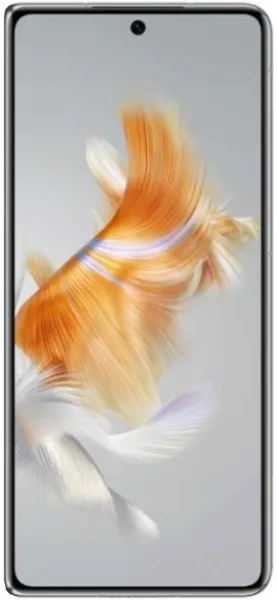
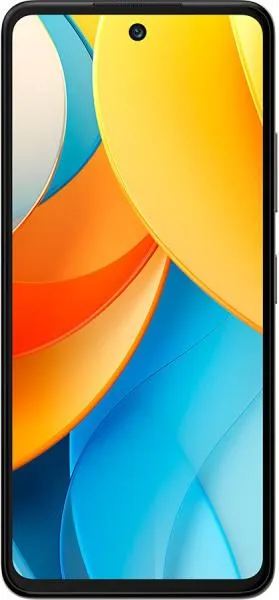
| Form Factor | Foldable | Standard | Mate X3 offers a larger screen when unfolded, enhancing multitasking and media consumption. V60 Design is more pocketable. |
| Dimensions (mm) | 156.9 x 141.5 x 5.3 (folded) | 164.2 x 75.3 x 8.6 | Mate X3 is significantly thinner when folded but wider due to its folding mechanism. V60 Design is a typical slab phone. |
| Weight (g) | 239 | 198 | Mate X3 is heavier, likely due to the folding mechanism and larger battery. |
| Display | |||
| Display Type | Foldable OLED, 120Hz | IPS LCD, 90Hz | Mate X3's OLED offers superior contrast, deeper blacks, and potentially brighter colors. 120Hz refresh rate provides smoother animations compared to V60 Design's 90Hz. |
| Display Size (inches) | 7.85 (unfolded) / 6.4 (folded) | 6.6 | Mate X3 provides a significantly larger screen real estate when unfolded. |
| Resolution | 2224 x 2496 (unfolded) / 1080 x 2504 (folded) | 720 x 1612 | Mate X3 has a much sharper display, especially when unfolded, offering a more detailed viewing experience. V60 Design's resolution is lower than typical for its size. |
| Performance | |||
| Chipset | Snapdragon 8+ Gen 1 4G (4 nm) | Unisoc T606 (12 nm) | Mate X3's processor is significantly more powerful, enabling smoother multitasking, faster app loading, and better gaming performance. |
| CPU | Octa-core (1x3.19 GHz X2 & 3x2.75 GHz A710 & 4x2.0 GHz A510) | Octa-core (2x1.6 GHz A75 & 6x1.6 GHz A55) | Mate X3 boasts superior CPU performance across the board. |
| GPU | Adreno 730 | Mali-G57 MP1 | Mate X3 offers a vastly more powerful GPU for demanding gaming and graphics-intensive tasks. |
| RAM | 8GB/12GB | 4GB/6GB | More RAM in the Mate X3 allows for more apps to run in the background without performance slowdowns. |
| Camera | |||
| Main Camera | 50MP (Sony IMX766) | 50MP (ISOCELL) | Both have high megapixel counts, but sensor quality details for the V60 are missing, making a direct comparison difficult. Mate X3 provides more detailed camera specifications overall. |
| Additional Cameras | Wide, Telephoto | Portrait, Macro | Mate X3 offers greater versatility with telephoto capabilities for optical zoom. V60 Design lacks a dedicated telephoto lens. |
| Video Recording | Up to 4K@60fps with EIS | Up to 1080p@30fps | Mate X3 supports higher resolution and frame rate video recording with Electronic Image Stabilization. |
| Battery | |||
| Capacity | 4800 mAh | 5000 mAh | Despite having a slightly smaller battery, the Mate X3's more efficient processor might result in comparable or even better battery life. This is difficult to definitively assess without real-world testing. |
2. Key Differences Analysis
Huawei Mate X3 Advantages:
- Superior Performance: Significantly faster processor and GPU for smooth multitasking, gaming, and demanding applications.
- High-Quality Display: Foldable OLED with vibrant colors, deep blacks, and a 120Hz refresh rate for a smooth and immersive experience.
- Versatile Camera System: Leica-tuned lenses, telephoto capabilities with optical zoom, and advanced video recording features.
- Innovative Form Factor: Foldable design offers a larger screen when needed while remaining relatively compact when folded.
ZTE Blade V60 Design Advantages:
- Lower Price: Significantly more affordable, catering to budget-conscious consumers.
- Larger Battery: 5000mAh battery potentially offers longer battery life, although real-world performance depends on usage and optimization.
- Lighter and More Pocketable: More compact and lightweight than the Mate X3, making it easier to carry and use one-handed.
Trade-offs:
- Mate X3: Higher price, heavier, potential durability concerns associated with foldable phones.
- V60 Design: Lower performance, less impressive display, basic camera system compared to the Mate X3.
3. User Profiles & Recommendations
Huawei Mate X3: Ideal for users who prioritize performance, a premium display, a versatile camera, and innovative technology, and are willing to pay a premium. Suitable for demanding tasks like gaming, content creation, and multitasking.
ZTE Blade V60 Design: Best suited for budget-conscious users with basic smartphone needs like calling, texting, web browsing, and social media. Not recommended for demanding tasks or users seeking a high-quality multimedia experience.
4. Decision Framework
Key Questions for Buyers:
- What is your budget? The Mate X3 is a premium flagship device, while the V60 Design is a budget offering.
- What are your primary smartphone uses? Consider whether you need top-tier performance or if basic functionality suffices.
- How important is portability and form factor? A foldable phone offers a larger screen but added weight and potential durability concerns.
Scenario-Based Recommendations:
- Heavy user who values performance and a premium experience: Choose the Mate X3.
- Budget-conscious user with basic needs: Choose the V60 Design.
- User who wants a large screen for productivity and entertainment: Consider the Mate X3 if the budget allows.
My Choice: Huawei Mate X3
While the ZTE Blade V60 Design offers a budget-friendly option, the Huawei Mate X3 is the clear winner for me. Its superior performance, stunning foldable OLED display, and versatile camera system significantly outweigh the higher price and added weight. The Snapdragon 8+ Gen 1 ensures a smooth and lag-free experience for any task, while the large, high-resolution display is ideal for both productivity and entertainment. As someone who values a premium user experience and utilizes demanding applications, the Mate X3 aligns better with my needs. The innovative foldable form factor provides a unique advantage for multitasking and media consumption, making it a compelling choice despite the premium price. The V60 Design, while offering good value for its price, simply cannot compete with the Mate X3's overall package in terms of performance, display quality, and camera capabilities.
