
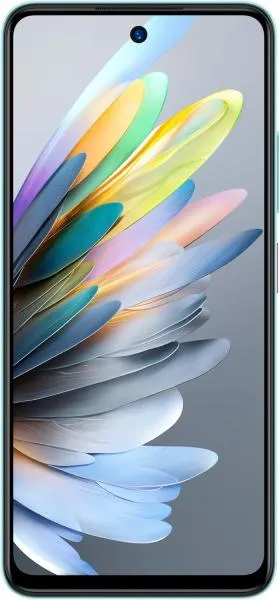
1. Specifications Comparison
| Feature | Huawei Mate X3 | ZTE Blade A75 4G | Practical Impact |
|---|---|---|---|
| Design | |||
| Dimensions (mm) | 156.9 x 141.5 x 5.3 (folded) | 164.1 x 75.8 x 8.6 | Mate X3 significantly more compact when folded, pocketable; A75 is a standard candybar design. |
| Weight (g) | 239 | 189 | Mate X3 heavier despite foldable design, but still relatively light for its size; A75 lighter. |
| Foldable | Yes | No | Mate X3 offers larger screen real estate in a compact form factor; A75 offers a traditional smartphone experience. |
| Display | |||
| Display Type | Foldable OLED, 120Hz | IPS LCD, 90Hz | Mate X3: Superior color accuracy, deeper blacks, smoother scrolling; A75: Less vibrant, potential for motion blur. |
| Size (inches) | 7.85 (unfolded) / 6.4 (folded) | 6.6 | Mate X3 provides a tablet-like experience when unfolded; A75 offers a large but standard screen size. |
| Resolution | 2224 x 2496 (unfolded) / 1080 x 2504 (folded) | 720 x 1612 | Mate X3: Sharper, more detailed visuals on both inner and outer displays; A75: Noticeably lower resolution, less crisp images and text. |
| PPI | 426 | 267 | Mate X3: Significantly sharper image quality; A75: Pixelation may be visible. |
| Performance | |||
| Chipset | Snapdragon 8+ Gen 1 4G (4 nm) | Unisoc T606 (12 nm) | Mate X3: Flagship-level performance, handles demanding tasks and gaming with ease; A75: Entry-level performance, suitable for basic tasks, struggles with demanding applications. |
| CPU | Octa-core (up to 3.19 GHz) | Octa-core (up to 1.6 GHz) | Mate X3: Significantly faster processing speeds, smoother multitasking; A75: Noticeable lag with multitasking or heavy apps. |
| GPU | Adreno 730 | Mali-G57 MP1 | Mate X3: Much more powerful graphics processing, ideal for high-end gaming; A75: Basic graphics performance, suitable for casual games. |
| RAM | 8GB/12GB | 4GB/8GB | Mate X3 offers better multitasking capabilities, especially the 12GB variant. A75 base model may experience performance limitations with multiple apps. |
| Camera | |||
| Main Camera | 50MP (Sony IMX766) | 50MP (ISOCELL) | Mate X3: likely superior image quality due to advanced sensor; A75: Decent megapixel count, but image quality depends heavily on processing. |
| Other Cameras | Wide, Telephoto | 0.3MP (presumably a depth sensor), Selfie | Mate X3: Versatile camera system with zoom capabilities; A75: Basic dual camera setup. |
| Video | Up to 4K@60fps with EIS | 1080p@30fps | Mate X3: Higher resolution and frame rate video recording with stabilization; A75: Basic video recording capabilities. |
| Battery | |||
| Capacity | 4800 mAh | 5000 mAh | A75 has a slightly larger battery capacity. However, real-world battery life depends on factors like display, processor efficiency, and software optimization which makes it difficult to compare directly. |
2. Key Differences Analysis
Huawei Mate X3 Advantages:
- Flagship Performance: Significantly faster processor, GPU, and more RAM for a smooth, lag-free experience.
- High-Quality Display: Foldable OLED with vibrant colors, high resolution, and a 120Hz refresh rate for superior visuals and responsiveness.
- Versatile Camera System: Offers multiple lenses including telephoto, enabling optical zoom and diverse photography options.
- Premium Design: Innovative foldable design offers a large screen in a compact form factor.
ZTE Blade A75 4G Advantages:
- Lower Price: Significantly more affordable, catering to budget-conscious consumers.
- Larger Battery Capacity: Potentially longer battery life, but real-world usage will vary.
- Simpler User Interface: Potentially easier to use for less tech-savvy users.
Trade-offs:
- Mate X3: Higher price, potentially lower battery life compared to A75 despite smaller battery. Software limitations due to lack of Google services.
- A75: Significantly lower performance, less impressive display, basic camera system.
3. User Profiles & Recommendations
Huawei Mate X3: Ideal for users who prioritize performance, a premium experience, and the latest technology. Suitable for demanding tasks like gaming, content creation, and multitasking. The foldable screen is beneficial for productivity and media consumption on the go.
ZTE Blade A75 4G: Suitable for budget-conscious users who primarily use their phones for basic tasks like calling, texting, browsing, and social media. Less demanding users who prioritize affordability.
4. Decision Framework
Key Questions for Buyers:
- What is your budget? The Mate X3 is a high-end flagship, while the A75 is a budget device.
- What are your primary phone usage patterns? Demanding tasks require the Mate X3's performance; basic usage can be satisfied by the A75.
- How important is portability and screen size? The Mate X3's foldable design offers a unique combination of large screen real estate and portability.
My Choice: Huawei Mate X3
While significantly more expensive, the Huawei Mate X3 offers a vastly superior user experience in almost every aspect. The foldable screen, flagship performance, beautiful display, and versatile camera system outweigh the higher price and potential software limitations for me. I value a premium, responsive device for productivity and entertainment, and the Mate X3 delivers that. The ZTE Blade A75 4G, while offering good value for its price, compromises too much on performance and features for my personal needs. I would rather invest in a device that provides a more enjoyable and efficient user experience in the long run. However, if budget is a primary concern and smartphone usage is basic, the A75 serves its purpose adequately.
