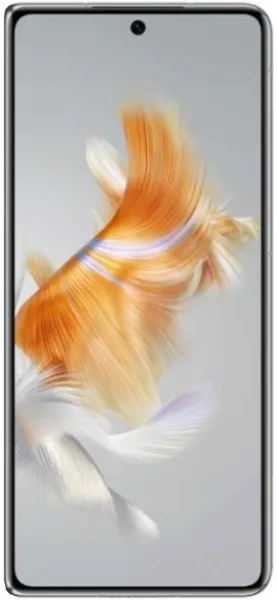
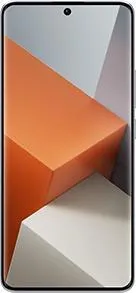
1. Specifications Comparison
| Feature | Huawei Mate X3 | Xiaomi Redmi Note 13 Pro+ | Practical Impact |
|---|---|---|---|
| Design | |||
| Form Factor | Foldable | Standard | Mate X3 offers larger screen real estate when unfolded, compact when folded. Redmi Note 13 Pro+ is a traditional slab phone. |
| Dimensions (mm) | 156.9 x 141.5 x 5.3 (folded) | 161.4 x 74.2 x 8.9 | Mate X3 is significantly thinner when folded but wider. Redmi Note 13 Pro+ is more pocketable in its single form. |
| Weight (g) | 239 | 199 | Mate X3 is heavier due to the folding mechanism. |
| Display | |||
| Size (inches) | 7.85 (unfolded), ~6.4" (outer) | 6.67 | Mate X3's unfolded display provides a tablet-like experience. Redmi Note 13 Pro+ has a large but standard display size. |
| Resolution (px) | 2224 x 2496 (unfolded) | 1220 x 2712 | Both offer sharp displays, but Mate X3's unfolded resolution is much higher, beneficial for multitasking and media consumption. |
| Type | Foldable OLED, 120Hz | AMOLED, 120Hz, Dolby Vision, HDR10+ | Both have smooth 120Hz displays. Redmi Note 13 Pro+ supports HDR10+ and Dolby Vision for enhanced visual quality in supported content. Mate X3's specific HDR capabilities are unclear. |
| Peak Brightness (nits) | Not specified | 1800 | Redmi Note 13 Pro+ offers superior outdoor visibility with its high peak brightness. Mate X3's peak brightness is unknown, limiting comparison. |
| Performance | |||
| Chipset | Snapdragon 8+ Gen 1 4G (4 nm) | Dimensity 7200 Ultra (4 nm) | Snapdragon 8+ Gen 1 generally offers better performance than Dimensity 7200 Ultra, particularly in demanding tasks and gaming. |
| CPU | Octa-core (1x3.19 GHz X2 & 3x2.75 GHz A710 & 4x2.0 GHz A510) | Octa-core (2x2.8 GHz A715 & 6x2.0 GHz A510) | Snapdragon 8+ Gen 1's CPU architecture and higher clock speeds likely result in faster processing and better multi-tasking. |
| GPU | Adreno 730 | Mali-G610 MC4 | Adreno 730 provides a significant advantage in graphics performance for gaming and visually intensive applications. |
| RAM | 8GB/12GB | 8GB/12GB/16GB | Both offer ample RAM, but the Redmi Note 13 Pro+ offers a 16GB option for even more aggressive multitasking. |
| Camera | |||
| Main Camera | 50MP, Sony IMX766 | 200MP, Samsung ISOCELL HP3 | Redmi Note 13 Pro+ boasts a higher resolution sensor. Real-world image quality depends on processing, and the IMX766 is known for good performance. |
| Practical Impact | Excellent detail and dynamic range expected from both. Redmi might offer more flexibility for cropping due to higher resolution. | ||
| Battery | |||
| Capacity (mAh) | 4800 | 5000 | Redmi Note 13 Pro+ offers a slightly larger battery capacity, potentially leading to longer battery life. However, the Mate X3's larger display might consume more power. |
2. Key Differences Analysis
Huawei Mate X3 Advantages:
- Foldable Design: Provides a unique user experience with a larger inner display for multitasking and media consumption, and a compact outer display for quick tasks.
- Flagship Performance: Snapdragon 8+ Gen 1 offers top-tier performance.
Xiaomi Redmi Note 13 Pro+ Advantages:
- Lower Price: Significantly more affordable.
- Larger Battery: Potentially longer battery life.
- Higher Resolution Main Camera: Offers more detail for large prints or extensive cropping.
- Brighter Display: Better outdoor visibility.
- 5G Connectivity: Future-proofed for faster cellular data speeds.
3. User Profiles & Recommendations
Huawei Mate X3: Users who prioritize a large, foldable screen for productivity and media consumption and are willing to pay a premium price. Ideal for professionals, content creators, and heavy multitaskers.
Xiaomi Redmi Note 13 Pro+: Users seeking a well-rounded phone with a great camera, long battery life, and a bright display at a more affordable price. Suitable for most users who don't need a foldable design. Excellent value proposition.
4. Decision Framework
Key Questions for Buyers:
- Budget: Are you willing to pay a premium for the foldable experience?
- Priority Features: Is a large, foldable screen or a longer battery life and a higher-resolution camera more important?
- Performance Needs: Do you require the absolute best performance for demanding tasks or gaming?
Scenario-Based Recommendations:
- Limited Budget: Redmi Note 13 Pro+ offers excellent value.
- Productivity Focus: Mate X3's foldable design enhances multitasking.
- Gaming Enthusiast: Mate X3's superior GPU is preferred.
My Choice: Xiaomi Redmi Note 13 Pro+
While the Huawei Mate X3 is a technological marvel, the Xiaomi Redmi Note 13 Pro+ offers a more compelling package for my needs. The significantly lower price, combined with a strong feature set including a bright display, large battery, high-resolution camera, and capable processor, makes it a clear winner in terms of value. I don't have a strong need for a foldable device, and the Redmi Note 13 Pro+'s excellent all-around capabilities outweigh the novelty of a folding screen. The inclusion of 5G also future-proofs the device. The Mate X3's lack of 5G, given its price point, is a significant drawback. Ultimately, the Redmi Note 13 Pro+ provides a more practical and affordable solution for my everyday smartphone needs.
