1. Specifications Comparison
| Feature | Huawei Mate X3 | Xiaomi Redmi Note 13 Pro | Practical Impact |
|---|---|---|---|
| Design | |||
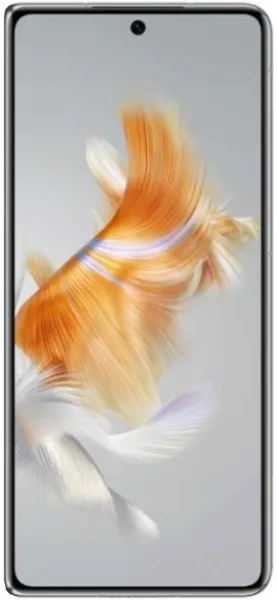
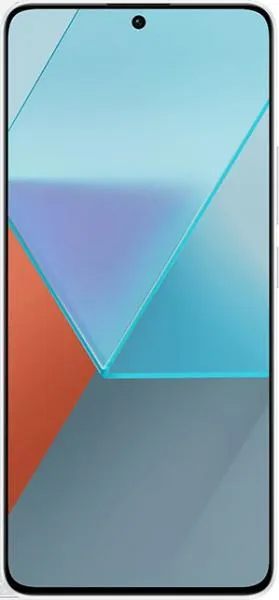
| Dimensions (mm) | 156.9 x 141.5 x 5.3 (folded) | 161.2 x 74.2 x 8 | Mate X3 significantly more compact when folded, but thicker when unfolded. Redmi Note 13 Pro is a traditional slab phone. |
| Weight (g) | 239 | 187 | Mate X3 heavier, likely due to folding mechanism. Redmi Note 13 Pro more comfortable for one-handed use. |
| Foldable | Yes | No | Mate X3 offers larger screen real estate in a pocketable size. Redmi Note 13 Pro offers a standard smartphone experience. |
| Display | |||
| Display Size (inches) | 7.85 (unfolded) | 6.67 | Mate X3 provides a tablet-like experience when unfolded. Redmi Note 13 Pro has a large display for a standard phone. |
| Resolution (px) | 2224 x 2496 | 1220 x 2712 | Both offer sharp displays. Mate X3 has a slight advantage in pixel density when unfolded. |
| Refresh Rate (Hz) | 120 | 120 | Both offer smooth scrolling and animations. |
| Display Type | Foldable OLED | AMOLED | Mate X3's foldable OLED may have crease visibility. Redmi Note 13 Pro utilizes a standard, durable AMOLED. |
| Peak Brightness (nits) | Missing | 1800 | Redmi Note 13 Pro's higher peak brightness ensures better visibility outdoors. We lack data for the Mate X3. |
| Performance | |||
| Chipset | Snapdragon 8+ Gen 1 4G | Snapdragon 7s Gen 2 | Mate X3 boasts significantly more processing power, resulting in faster performance and smoother multitasking. |
| CPU | Octa-core (1x3.19 GHz X2 & 3x2.75 GHz A710 & 4x2.0 GHz A510) | Octa-core (4x2.40 GHz A78 & 4x1.95 GHz A55) | Mate X3's CPU architecture is more powerful and efficient. |
| GPU | Adreno 730 | Adreno 710 | Mate X3 has a more powerful GPU for demanding gaming and graphics tasks. |
| RAM | 8/12GB | 8/12/16GB | Both offer ample RAM for multitasking, although specific configurations vary. |
| Camera | |||
| Main Camera (MP) | 50 | 200 | Redmi Note 13 Pro has a higher megapixel count. Image quality depends on sensor size, processing, and other factors. |
| Other Cameras | Wide, Telephoto | Wide, Portrait, Macro | Mate X3 offers optical zoom capabilities. Redmi Note 13 Pro focuses on high resolution and diverse lens options. |
| Battery | |||
| Capacity (mAh) | 4800 | 5100 | Redmi Note 13 Pro has a slightly larger battery capacity, potentially offering longer battery life. |
| Price | |||
| Price Range | High | Medium | Mate X3 significantly more expensive due to foldable technology. Redmi Note 13 Pro offers strong value for its price. |
2. Key Differences Analysis
Huawei Mate X3 Advantages:
- Foldable Design: Offers a larger screen in a compact form factor, transitioning between phone and tablet modes.
- Flagship Performance: Snapdragon 8+ Gen 1 delivers top-tier speed and responsiveness.
- Premium Build: Expected high-quality materials and construction.
Xiaomi Redmi Note 13 Pro Advantages:
- Affordability: Significantly cheaper than the Mate X3.
- Larger Battery: Potentially longer battery life.
- Higher Resolution Main Camera: 200MP sensor, potentially capturing more detail (depending on other factors).
- 5G Connectivity: Offers faster mobile data speeds where available. Mate X3 is limited to 4G.
Trade-offs:
- Mate X3: Higher price, potential durability concerns with foldable screen, heavier.
- Redmi Note 13 Pro: Less powerful processor, lower overall build quality, lacks the versatility of a foldable screen.
3. User Profiles & Recommendations
Huawei Mate X3: Ideal for users who prioritize portability and a large screen experience, value multitasking and productivity on the go, and are willing to pay a premium for cutting-edge technology. Use Cases: Frequent travelers, content creators, business professionals.
Xiaomi Redmi Note 13 Pro: Ideal for budget-conscious users who want a large, bright display, good performance for everyday tasks, long battery life, and excellent camera capabilities. Use Cases: Casual users, students, social media enthusiasts, mobile gamers on a budget.
4. Decision Framework
Key Questions for Buyers:
- Budget: Are you willing to pay a premium for a foldable phone?
- Priorities: Do you value portability and a large screen more than raw performance or battery life?
- Use Cases: Will you utilize the foldable screen for productivity, entertainment, or both?
My Choice: Xiaomi Redmi Note 13 Pro
While the Huawei Mate X3 is a technological marvel, the Xiaomi Redmi Note 13 Pro offers a more practical and affordable solution for my needs. I prioritize value, battery life, and 5G connectivity. The Redmi Note 13 Pro's strong performance, excellent camera, and large, bright AMOLED display make it a compelling package for everyday use. The significant price difference makes the Redmi Note 13 Pro a clear winner for me. The foldable technology of the Mate X3, while impressive, doesn't outweigh the cost and potential durability concerns for my personal usage.
