1. Specifications Comparison
| Feature | Huawei Mate X3 | Xiaomi Redmi Note 13 4G | Practical Impact |
|---|---|---|---|
| Design | |||
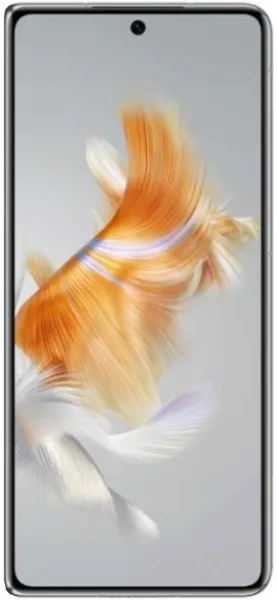
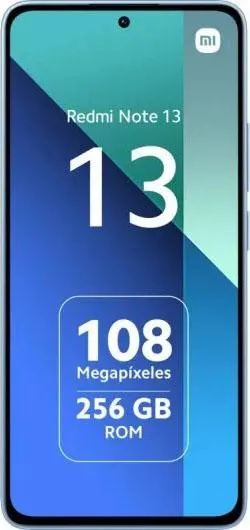
| Dimensions (mm) | 156.9 x 141.5 x 5.3 (folded) | 162.3 x 75.6 x 8 | Mate X3 significantly more compact when folded, but larger unfolded. Redmi Note 13 is a standard slab design. |
| Weight (g) | 239 | 188.5 | Mate X3 heavier due to folding mechanism, but still relatively light for a foldable. |
| Foldable | Yes | No | Mate X3 offers a larger screen real estate and flexibility for multitasking. |
| Display | |||
| Display Size (inches) | 7.85 (unfolded), ~6.4" (cover display) | 6.67 | Mate X3 provides a tablet-like experience when unfolded. |
| Resolution (pixels) | 2224 x 2496 (unfolded), 1080 x 2504 (cover) | 1080 x 2400 | Sharper image on the Mate X3, especially noticeable on the larger unfolded screen. |
| Display Type | Foldable OLED, 120Hz | AMOLED, 120Hz | Both offer smooth scrolling and animations thanks to 120Hz. Mate X3 uses a more advanced, foldable OLED. |
| Peak Brightness (nits) | Not specified | 1800 | Redmi Note 13's higher peak brightness ensures better visibility outdoors. Missing data for Mate X3 limits comparison. |
| Performance | |||
| Chipset | Snapdragon 8+ Gen 1 4G (4 nm) | Snapdragon 685 (6 nm) | Mate X3 boasts significantly more powerful CPU and GPU, resulting in much faster performance and better gaming capabilities. |
| CPU | Octa-core (1x3.19 GHz X2 & 3x2.75 GHz A710 & 4x2.0 GHz A510) | Octa-core (4x2.8 GHz A73 & 4x1.9 GHz A53) | Mate X3's CPU architecture is newer and more efficient. |
| RAM | 8GB/12GB | 6GB/8GB | More RAM options on the Mate X3 allow for better multitasking. |
| Camera | |||
| Main Camera (MP) | 50 MP (Sony IMX766) | 108 MP (Samsung HM6) | While Redmi Note 13 has higher resolution, Mate X3 uses a larger sensor, potentially leading to better low-light performance. Real-world image quality depends on processing. |
| Video Recording | Up to 4K@60fps with EIS | Up to 1080p@30fps | Mate X3 offers superior video recording capabilities with higher resolution and frame rates. |
| Battery | |||
| Capacity (mAh) | 4800 | 5000 | Redmi Note 13 has slightly larger battery capacity, potentially offering longer battery life. However, Mate X3's larger display might consume more power. |
| Other | |||
| Price Range | High | Medium | Significant price difference reflecting the premium features of the Mate X3. |
| OS | Not specified | Android 13 | Missing OS details for the Mate X3 make comparison difficult. |
2. Key Differences Analysis
Huawei Mate X3 Advantages:
- Foldable Design: Offers versatility and larger screen real estate.
- Flagship Performance: Significantly faster processor and GPU for demanding tasks and gaming.
- Superior Display: Higher resolution and potentially better quality due to foldable OLED technology.
- Advanced Camera Features: Potentially better low-light photography and superior video recording capabilities.
Xiaomi Redmi Note 13 4G Advantages:
- Lower Price: Significantly more affordable.
- Larger Battery Capacity: Potentially longer battery life.
- Lighter Weight: More comfortable for one-handed use.
- Brighter Display: Better visibility in direct sunlight (Mate X3 brightness unspecified).
Trade-offs:
- Mate X3: Higher price, heavier, potential for durability concerns due to folding mechanism.
- Redmi Note 13: Lower performance, less versatile due to lack of foldable design, lower video recording quality.
3. User Profiles & Recommendations
Huawei Mate X3: Ideal for users who prioritize performance, a large and flexible screen for multitasking and media consumption, and cutting-edge technology. Suitable for professionals, content creators, and power users.
Xiaomi Redmi Note 13 4G: Suitable for budget-conscious users who prioritize battery life and reliable everyday performance for tasks like social media, browsing, and communication. A good option for students, casual users, and those seeking a value-for-money device.
4. Decision Framework
Key Questions for Buyers:
- What is your budget? The Mate X3 is significantly more expensive.
- Do you need a foldable phone? The Mate X3's foldable design offers unique advantages but comes with trade-offs.
- What are your performance requirements? The Mate X3 offers flagship performance, while the Redmi Note 13 is sufficient for everyday tasks.
Scenario-Based Recommendations:
- Limited Budget, Everyday Use: Redmi Note 13 4G.
- Power User, Multitasking Focus: Huawei Mate X3.
- Content Creator, Large Screen Needed: Huawei Mate X3.
My Choice: Huawei Mate X3
While significantly more expensive, the Huawei Mate X3 offers a compelling combination of innovative design, powerful performance, and advanced features. The foldable screen enhances productivity and media consumption, and the flagship-level hardware ensures a smooth and responsive experience. The potential drawbacks of higher price and weight are outweighed by the unique benefits of the foldable form factor and superior performance for my needs. I value having the latest technology and the flexibility the foldable screen provides, making the Mate X3 a more future-proof investment despite the higher initial cost. However, if budget were a primary concern, the Redmi Note 13 4G represents excellent value for its price.
