1. Specifications Comparison
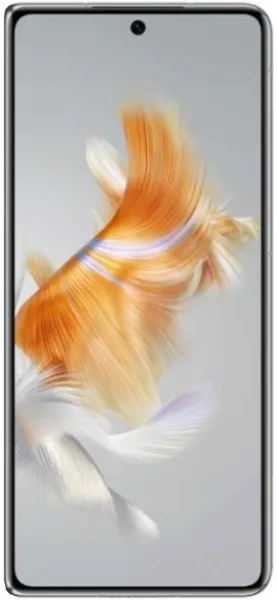
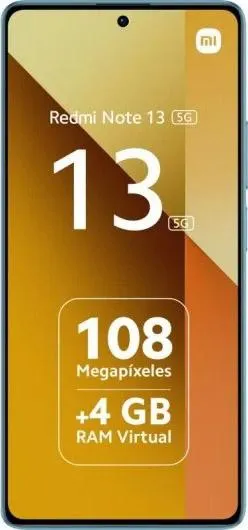
| Feature | Huawei Mate X3 | Xiaomi Redmi Note 13 | Practical Impact |
|---|---|---|---|
| Design | |||
| Form Factor | Foldable | Standard | Mate X3 offers larger screen real estate when unfolded, greater portability when folded. Redmi Note 13 is a traditional slab phone. |
| Dimensions (mm) | 156.9 x 141.5 x 5.3 (folded) | 161.1 x 75 x 7.6 | Mate X3 is significantly thinner and potentially more pocketable when folded, but wider unfolded. Redmi Note 13 is thicker but narrower overall. |
| Weight (g) | 239 | 174.5 | Mate X3 is noticeably heavier, potentially impacting one-handed use. |
| Display | |||
| Display Type | Foldable OLED, 120Hz | AMOLED, 120Hz | Both offer smooth scrolling and animations thanks to 120Hz. Mate X3's foldable OLED allows for a larger, more immersive experience but with a potential crease. |
| Size (inches) | 7.85 (unfolded), ~6.4 (folded) | 6.67 | Mate X3 offers a significantly larger display area when unfolded for multitasking and media consumption. |
| Resolution (px) | 2224 x 2496 (unfolded) | 1080 x 2400 | Mate X3 boasts a sharper display with higher pixel density (426 ppi vs 395 ppi), resulting in clearer images and text. |
| Performance | |||
| Chipset | Snapdragon 8+ Gen 1 4G (4nm) | MediaTek Dimensity 6080 (6nm) | Mate X3 features a significantly more powerful processor, enabling smoother performance in demanding tasks and games. |
| CPU | Octa-core (1x3.19 GHz X2 & 3x2.75 GHz A710 & 4x2.0 GHz A510) | Octa-core (2x2.4 GHz A76 & 6x2.0 GHz A55) | Mate X3's CPU architecture provides superior performance, especially in single-core tasks. |
| GPU | Adreno 730 | Mali-G57 MC2 | Mate X3 offers significantly better graphics performance for gaming and visually demanding applications. |
| RAM | 8GB/12GB | 6GB/8GB/12GB | Both offer ample RAM for multitasking, though Mate X3's higher configurations will handle more demanding workloads with ease. |
| Camera | |||
| Rear Camera | 50MP Main + 13MP Ultrawide + 12MP Periscope Telephoto | 108MP Main + 2MP Depth + 8MP Ultrawide | Mate X3 features a more versatile camera system with a periscope telephoto lens enabling superior optical zoom capabilities. Redmi Note 13 boasts higher megapixel count on the main sensor but lacks a dedicated telephoto lens. |
| Video Recording | Up to 4K@60fps with EIS | Up to 1080p@30fps | Mate X3 offers superior video recording capabilities with higher resolution and frame rate, along with Electronic Image Stabilization (EIS) at higher resolutions. |
| Battery | |||
| Capacity (mAh) | 4800 | 5000 | Redmi Note 13 has a slightly larger battery capacity, potentially leading to longer battery life. However, Mate X3's larger, more demanding display might offset this advantage. |
| Other | |||
| OS | Unknown | Android 13 | Lack of OS information for Mate X3 limits comparison. |
| Price | High | Low | Mate X3 is significantly more expensive. |
| 5G | No | Yes | Redmi Note 13 offers 5G connectivity for faster data speeds where available. Mate X3 lacks 5G. |
2. Key Differences Analysis
Huawei Mate X3 Advantages:
- Superior Performance: Significantly faster processor and GPU for smoother multitasking, gaming, and demanding applications.
- Foldable Design: Offers flexibility of a large screen tablet and portability of a smartphone.
- More Versatile Camera System: Periscope telephoto lens provides better zoom capabilities compared to Redmi Note 13.
- Sharper Display: Higher resolution and pixel density result in clearer visuals.
Xiaomi Redmi Note 13 Advantages:
- Lower Price: Significantly more affordable.
- Larger Battery: Potentially longer battery life, although real-world usage will depend on various factors.
- 5G Connectivity: Provides access to faster data speeds in areas with 5G coverage.
- Lighter Weight: More comfortable for extended use and one-handed operation.
3. User Profiles & Recommendations
Huawei Mate X3: Ideal for users who prioritize performance, a large and innovative display for multitasking and media consumption, and a versatile camera system. Suitable for professionals, content creators, and power users willing to pay a premium.
Xiaomi Redmi Note 13: Ideal for budget-conscious users who prioritize affordability, long battery life, and 5G connectivity. Suitable for everyday users who primarily use their phones for communication, social media, and light content consumption.
4. Decision Framework
Key Questions for Buyers:
- What is your budget? The Mate X3 is significantly more expensive.
- Do you need a foldable phone? The Mate X3's foldable design offers unique advantages but comes with a price premium and potential durability concerns.
- What are your primary use cases? For demanding tasks and media consumption, the Mate X3 excels. For basic usage and longer battery life, the Redmi Note 13 is a solid choice.
My Choice: Xiaomi Redmi Note 13
While the Huawei Mate X3 is undeniably a powerhouse with innovative features, the Xiaomi Redmi Note 13 offers better value for my needs. As someone who prioritizes practicality and affordability, the Redmi Note 13's combination of a good display, decent performance, 5G connectivity, long battery life, and a significantly lower price makes it a more compelling option. I don't require the foldable form factor or the absolute highest performance levels offered by the Mate X3. The Redmi Note 13 strikes a good balance between features and price, making it a more sensible choice for my everyday usage. The lack of specific OS details for the Mate X3 and the absence of 5G are also significant drawbacks. Finally, the substantial price difference would be difficult to justify given my personal use case.
