1. Specifications Comparison
| Feature | Huawei Mate X3 | Xiaomi Redmi Note 12S | Practical Impact |
|---|---|---|---|
| Design | |||
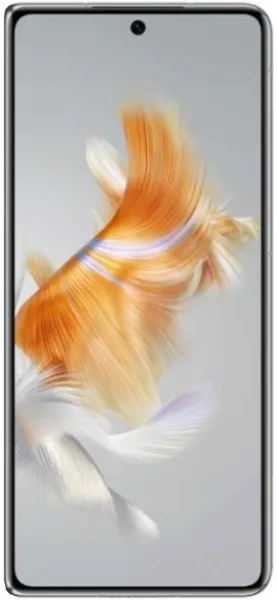
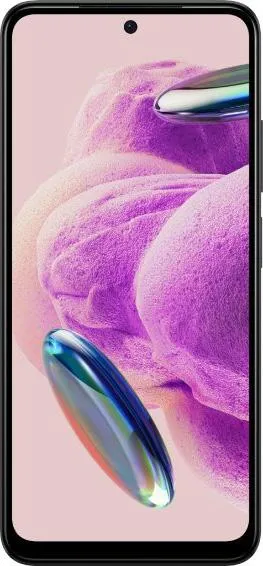
| Form Factor | Foldable | Standard | Mate X3 offers larger screen real estate when unfolded, increased portability when folded. Redmi Note 12S is a traditional slab phone. |
| Dimensions (mm) | 156.9 x 141.5 x 5.3 (folded) | 159.9 x 73.9 x 8.1 | Mate X3 is significantly thinner when folded but wider unfolded. Redmi Note 12S is more pocketable in its standard form. |
| Weight (g) | 239 | 176 | Mate X3 is heavier due to the folding mechanism and larger display. |
| Display | |||
| Display Size (inches) | 7.85 (unfolded), ~6.4 (folded) | 6.43 | Mate X3 provides a tablet-like experience when unfolded. Redmi Note 12S has a standard smartphone screen size. |
| Resolution (pixels) | 2224 x 2496 (unfolded) | 1080 x 2400 | Mate X3 has a sharper display due to higher resolution, especially beneficial for multitasking and media consumption on the unfolded screen. |
| Refresh Rate (Hz) | 120 | 90 | Mate X3 offers smoother animations and scrolling. |
| Display Type | Foldable OLED | AMOLED | Both offer vibrant colors and deep blacks. Mate X3's foldable OLED introduces a crease but allows for unique usage scenarios. |
| Performance | |||
| Chipset | Snapdragon 8+ Gen 1 4G (4 nm) | Mediatek Helio G96 (12 nm) | Mate X3 boasts significantly more powerful CPU and GPU, resulting in much faster performance for demanding tasks, gaming, and multitasking. |
| CPU | Octa-core (1x3.19 GHz X2 & 3x2.75 GHz A710 & 4x2.0 GHz A510) | Octa-core (2x2.05 GHz A76 & 6x2.0 GHz A55) | Mate X3's CPU architecture is more modern and efficient, delivering superior performance. |
| RAM (GB) | 8/12 | 6/8 | More RAM in higher-end Mate X3 variants enables better multitasking and app switching. |
| Camera | |||
| Main Camera (MP) | 50 | 108 | While Redmi Note 12S boasts higher megapixels, Mate X3 uses a larger sensor (Sony IMX766) generally resulting in better image quality, especially in low light. |
| Other Cameras | Wide, Telephoto | Wide, Macro | Mate X3 offers more versatile camera setup with a telephoto lens for optical zoom. Redmi Note 12S has a dedicated macro lens. |
| Video Recording | Up to 4K@60fps with EIS | 1080p@30fps | Mate X3 allows for higher resolution and frame rate video recording with electronic image stabilization. |
| Battery | |||
| Capacity (mAh) | 4800 | 5000 | Redmi Note 12S has a slightly larger battery capacity, but real-world battery life depends on usage and optimization. Mate X3's larger, higher resolution display may consume more power. |
2. Key Differences Analysis
Huawei Mate X3 Advantages:
- Superior Performance: Significantly faster processor and more RAM for demanding tasks and gaming.
- Foldable Design: Offers both a large tablet-like screen and compact portability.
- Higher Quality Display: Sharper, smoother display with a higher refresh rate.
- More Versatile Camera System: Telephoto lens provides optical zoom capabilities.
Xiaomi Redmi Note 12S Advantages:
- Lower Price: Significantly more affordable.
- Slightly Larger Battery: Potentially longer battery life depending on usage.
- Lighter and More Pocketable: Easier to carry and use in one hand.
Trade-offs:
- Mate X3: Higher price, heavier, potential durability concerns with foldable screen. Lacks Google Mobile Services.
- Redmi Note 12S: Lower performance, less versatile camera, lower resolution display.
3. User Profiles & Recommendations
Huawei Mate X3: Ideal for users who value productivity, multitasking, premium media consumption, and cutting-edge technology. Use cases: professionals, content creators, power users who want a device that can replace both a phone and a small tablet.
Xiaomi Redmi Note 12S: Suitable for budget-conscious users who prioritize everyday tasks, social media, casual gaming, and good battery life. Use cases: students, casual users, those seeking a reliable and affordable smartphone.
4. Decision Framework
Key Questions for Buyers:
- Budget: How much are you willing to spend?
- Performance Needs: Do you require top-tier performance for demanding tasks or gaming?
- Form Factor Preference: Do you value the flexibility of a foldable phone or prefer a traditional smartphone?
Scenario-Based Recommendations:
- Limited Budget: Redmi Note 12S offers excellent value for its price.
- Power User: Mate X3 is the clear choice for its superior performance and foldable screen.
- On-the-Go Productivity: Mate X3's large unfolded screen enhances productivity.
My Choice:
I would choose the Huawei Mate X3. While the price is significantly higher, the innovative foldable design, superior performance, and stunning display are compelling. The ability to switch between a phone and a mini-tablet seamlessly aligns with my productivity needs and desire for a cutting-edge device. The lack of Google Mobile Services is a drawback, but for my usage, the other advantages outweigh this limitation. I am willing to pay a premium for the unique user experience and power offered by the Mate X3. However, if budget were a primary concern, the Redmi Note 12S represents excellent value for its price.
