
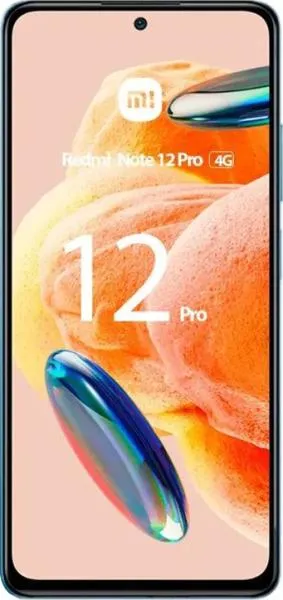
1. Specifications Comparison
| Feature | Huawei Mate X3 | Xiaomi Redmi Note 12 Pro 4G | Practical Impact |
|---|---|---|---|
| Design | |||
| Form Factor | Foldable | Standard | Mate X3 offers greater portability when folded and a larger screen when unfolded. Redmi Note 12 Pro offers a traditional, more durable form factor. |
| Dimensions (mm) | 156.9 x 141.5 x 5.3 (folded) | 164.2 x 76.1 x 8.1 | Mate X3 is significantly thinner and potentially more pocketable when folded, but wider unfolded. Redmi Note 12 Pro is thicker but narrower. |
| Weight (g) | 239 | 201.8 | Mate X3 is heavier despite its thinness, likely due to the folding mechanism. Redmi Note 12 Pro is lighter, contributing to better one-handed use. |
| Display | |||
| Display Size (inches) | 7.85 (unfolded) | 6.67 | Mate X3's unfolded screen provides a tablet-like experience. Redmi Note 12 Pro offers a large but standard smartphone screen size. |
| Resolution (pixels) | 2224 x 2496 | 1080 x 2400 | Mate X3 has a significantly sharper display due to higher resolution and pixel density. Redmi Note 12 Pro's resolution is standard for its price range. |
| Refresh Rate (Hz) | 120 | 120 | Both offer smooth scrolling and animations thanks to the 120Hz refresh rate. |
| Display Type | Foldable OLED | AMOLED | Both offer vibrant colors and deep blacks. Mate X3's foldable OLED introduces a crease in the middle, potentially impacting visual experience. |
| Performance | |||
| Chipset | Snapdragon 8+ Gen 1 4G | Snapdragon 732G | Mate X3 boasts a flagship-level processor, ensuring significantly faster performance, smoother multitasking, and better gaming capabilities. Redmi Note 12 Pro utilizes a mid-range chipset suitable for everyday tasks but less capable for demanding applications. |
| CPU | Octa-core (1x3.19 GHz Cortex-X2 & 3x2.75 GHz Cortex-A710 & 4x2.0 GHz Cortex-A510) | Octa-core (2x2.2 GHz Kryo 470 Gold & 6x1.8 GHz Kryo 470 Silver) | Mate X3's CPU architecture is more powerful and efficient than Redmi Note 12 Pro's. |
| GPU | Adreno 730 | Adreno 618 | Mate X3 has a much more powerful GPU, delivering significantly better gaming and graphics performance. |
| RAM | 8GB/12GB | 6GB/8GB | Both offer ample RAM for multitasking, but the Mate X3's higher RAM options provide headroom for future-proofing and demanding tasks. |
| Camera | |||
| Main Camera (MP) | 50 | 108 | Redmi Note 12 Pro boasts higher megapixel count, but image quality depends on factors beyond resolution (sensor size, processing). Mate X3 utilizes a reputable Sony IMX766 sensor known for good performance. |
| Camera Features | Leica Lens, 5x Optical Zoom | Quad Camera, Ultrawide, Macro | Mate X3 emphasizes optical zoom and Leica collaboration for potentially better image quality. Redmi Note 12 Pro offers versatility with ultrawide and macro lenses. |
| Battery | |||
| Capacity (mAh) | 4800 | 5000 | Redmi Note 12 Pro has a slightly larger battery capacity, potentially translating to longer battery life. However, Mate X3's more efficient processor might offset this difference. |
2. Key Differences Analysis
Huawei Mate X3 Advantages:
- Superior Performance: The Snapdragon 8+ Gen 1 provides a significant performance advantage for demanding tasks and gaming.
- Foldable Form Factor: Offers both a large screen experience and portability.
- Sharper Display: Higher resolution and pixel density lead to a crisper viewing experience.
Xiaomi Redmi Note 12 Pro 4G Advantages:
- Lower Price: Significantly more affordable.
- Larger Battery: Potentially longer battery life.
- More Durable Design: Traditional slab design is generally more robust than foldable phones.
Trade-offs:
- Mate X3: Higher price, potential durability concerns with the foldable screen, heavier weight.
- Redmi Note 12 Pro 4G: Lower performance, less sharp display, lacks the unique foldable form factor.
3. User Profiles & Recommendations
Huawei Mate X3: Ideal for users who value top-tier performance, a large screen for productivity and media consumption, and portability. Suitable for power users, multitaskers, and content creators who prioritize performance and a unique form factor.
Xiaomi Redmi Note 12 Pro 4G: Ideal for budget-conscious users who need a reliable smartphone for everyday tasks like social media, browsing, and casual photography. Suitable for students, casual users, and those who prioritize affordability over top-tier specs.
4. Decision Framework
Key Questions for Buyers:
- Budget: Is a high-end price justifiable for the Mate X3's features?
- Performance Needs: Are demanding applications and gaming a priority?
- Form Factor Preference: Is a foldable screen desired for its portability and large display area, or is a traditional design preferred for durability?
Scenario-Based Recommendations:
- Prioritize Performance and Innovation: Choose the Mate X3.
- Prioritize Affordability and Practicality: Choose the Redmi Note 12 Pro 4G.
- Value Large Screen for Productivity: Consider the Mate X3's foldable screen.
My Choice:
I would choose the Xiaomi Redmi Note 12 Pro 4G. While the Huawei Mate X3 is undeniably a powerful and innovative device, the significant price difference is a major deterrent for me. The Redmi Note 12 Pro 4G offers excellent value for its price, providing a solid performance for everyday tasks, a large and vibrant AMOLED display, and a long-lasting battery. I personally don't need the absolute highest performance or the foldable form factor, and I prioritize a more durable and affordable device. The Redmi Note 12 Pro 4G meets my needs perfectly without breaking the bank. The Mate X3's lack of clear OS details also raises concerns about long-term software support.
