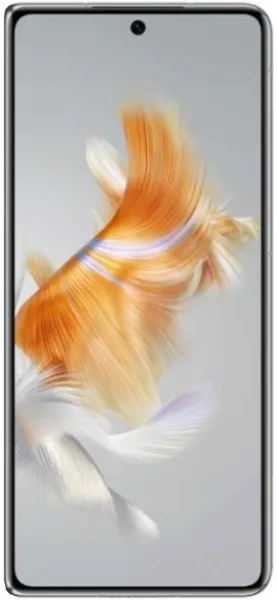
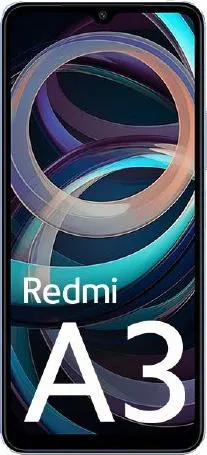
1. Specifications Comparison
| Feature | Huawei Mate X3 | Xiaomi Redmi A3 | Practical Impact |
|---|---|---|---|
| Design | |||
| Dimensions (mm) | 156.9 x 141.5 x 5.3 (folded) | 168.3 x 76.3 x 8.3 | Mate X3 significantly more compact when folded, Redmi A3 is a traditional candybar design. |
| Weight (g) | 239 | 193 | Mate X3 is heavier despite being thinner due to the folding mechanism. |
| Foldable | Yes | No | Mate X3 offers a larger screen in a pocketable size; Redmi A3 is a standard phone. |
| Display | |||
| Display Type | Foldable OLED, 120Hz | IPS LCD, 90Hz | Mate X3: Superior color accuracy, deeper blacks, smoother scrolling; Redmi A3: More power efficient, but less vibrant. |
| Size (inches) | 7.85 (unfolded), ~6.4" (outer) | 6.71 | Mate X3 provides a tablet-like experience when unfolded. Redmi A3 has a large but standard screen size. |
| Resolution | 2224 x 2496 (unfolded) | 720 x 1650 | Mate X3: Significantly sharper and more detailed; Redmi A3: Noticeably lower resolution, pixelation may be visible. |
| PPI | 426 | 268 | Reinforces the sharpness difference; text and images will be crisper on the Mate X3. |
| Performance | |||
| Chipset | Snapdragon 8+ Gen 1 4G (4 nm) | Mediatek Helio G36 (12 nm) | Mate X3: Flagship-level performance, capable of demanding tasks and gaming; Redmi A3: Entry-level performance, suitable for basic tasks. |
| CPU | Octa-core (1x3.19 GHz Cortex-X2 & 3x2.75 GHz Cortex-A710 & 4x2.0 GHz Cortex-A510) | Octa-core (4x2.2 GHz Cortex-A53 & 4x1.6 GHz Cortex-A53) | Mate X3: Much faster and more powerful CPU architecture; Redmi A3: Performance limitations noticeable with multitasking and complex apps. |
| GPU | Adreno 730 | PowerVR GE8320 | Mate X3: High-end graphics rendering, smooth gaming; Redmi A3: Basic graphics, struggles with demanding games. |
| RAM | 8GB/12GB | 3GB/4GB/6GB | Mate X3: More RAM ensures smooth multitasking and app switching; Redmi A3: Limited RAM can lead to performance slowdowns. |
| Camera | |||
| Rear Camera | 50MP (Wide) + 13MP (Ultrawide) + 12MP (Periscope Telephoto) | 8MP (Main) + 0.3MP | Mate X3: Versatile camera system with high resolution and optical zoom; Redmi A3: Basic camera setup, limited image quality. |
| Video Recording | Up to 4K@60fps with EIS | Up to 1080p@30fps | Mate X3: Significantly better video quality and stabilization. |
| Battery | |||
| Capacity | 4800 mAh | 5000 mAh | Redmi A3 has a slightly larger battery, but the Mate X3's more efficient display and processor could result in comparable battery life. Real-world usage will vary. |
2. Key Differences Analysis
Huawei Mate X3 Advantages:
- Foldable Design: The defining feature offers a large screen in a portable form factor.
- Flagship Performance: Powerful processor and ample RAM ensure a smooth and responsive experience.
- High-Quality Display: Vibrant OLED with a high refresh rate provides excellent visuals.
- Versatile Camera System: Leica-tuned lenses and multiple focal lengths cater to various photography needs.
Xiaomi Redmi A3 Advantages:
- Lower Price: Significantly more affordable.
- Larger Battery Capacity: Potentially longer battery life, especially for less demanding usage.
- Simpler Operation: May be preferred by users seeking a basic, easy-to-use phone.
3. User Profiles & Recommendations
Huawei Mate X3: Ideal for users who value productivity on the go, multimedia consumption on a large screen, and high-quality photography. Suitable for professionals, content creators, and tech enthusiasts.
Xiaomi Redmi A3: Best suited for budget-conscious users who prioritize basic communication, simple web browsing, and essential app usage. Good for first-time smartphone users, students, or as a secondary device.
4. Decision Framework
Key Questions for Buyers:
- Budget: Is a high-end price justifiable for the advanced features of the Mate X3?
- Usage: Do you need a powerful device for demanding tasks or a simple phone for basic needs?
- Form Factor: Is a foldable design appealing, or do you prefer a traditional smartphone?
My Choice: Huawei Mate X3
While the Redmi A3 offers excellent value for its price, I would choose the Huawei Mate X3. The foldable design is a game-changer for productivity and multimedia consumption. The superior performance, display, and camera system significantly enhance the overall user experience. While the price is high, the innovative form factor and flagship capabilities justify the premium for me. The limitations of 4G connectivity are a concern, but the benefits outweigh this drawback in my personal use case, where Wi-Fi is readily available. I prioritize performance and a unique user experience, and the Mate X3 delivers on both fronts.
