1. Specifications Comparison
| Feature | Huawei Mate X3 | Xiaomi Redmi 14C | Practical Impact |
|---|---|---|---|
| Design | |||
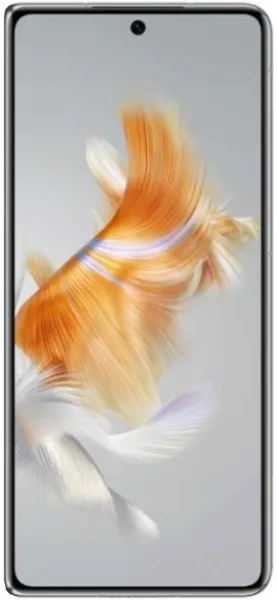
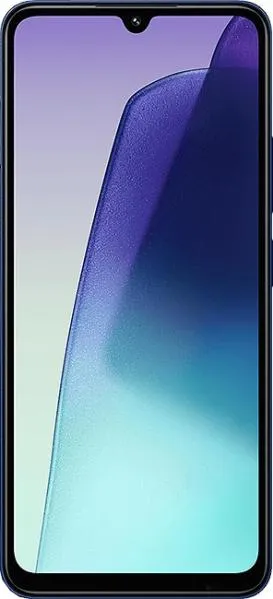
| Dimensions (mm) | 156.9 x 141.5 x 5.3 (folded) | 171.9 x 77.8 x 8.2 | Mate X3 significantly more compact when folded, Redmi 14C thinner when unfolded. Impacts pocketability and one-handed use. |
| Weight (g) | 239 | 211 | Redmi 14C noticeably lighter, reducing hand fatigue during extended use. |
| Foldable | Yes | No | Mate X3 offers larger screen real estate and multitasking capabilities due to its foldable design. |
| Display | |||
| Size (inches) | 7.85 (unfolded) | 6.88 | Mate X3 provides a substantially larger viewing area for media consumption and productivity. |
| Resolution (px) | 2224 x 2496 | 720 x 1640 | Mate X3 boasts much sharper and more detailed visuals. Redmi 14C's resolution is low for its size. |
| Type | Foldable OLED | IPS LCD | Mate X3 offers deeper blacks, more vibrant colors, and potentially better power efficiency due to OLED technology. |
| Refresh Rate (Hz) | 120 | 120 | Both phones offer smooth scrolling and animations thanks to the 120Hz refresh rate. |
| Performance | |||
| Chipset | Snapdragon 8+ Gen 1 4G | MediaTek Helio G81 Ultra | Mate X3 significantly more powerful, enabling smoother multitasking, faster app loading, and better gaming performance. |
| CPU | Octa-core (1x3.19 GHz Cortex-X2 & 3x2.75 GHz Cortex-A710 & 4x2.0 GHz Cortex-A510) | Octa-core (2x2.0 GHz Cortex-A75 & 6x1.8 GHz Cortex-A55) | Mate X3's CPU architecture is more modern and powerful. |
| GPU | Adreno 730 | Mali-G52 MC2 | Mate X3 offers superior graphics processing for demanding games and applications. |
| RAM | 8GB/12GB | 4GB/6GB/8GB | Mate X3 offers more RAM in its higher configurations, improving multitasking and overall system responsiveness. |
| Camera | |||
| Rear Cameras | 50MP (Main) + 12MP (Wide) + 16MP (Telephoto) | 50MP (Main) + 0.8MP (Unspecified) | Mate X3 features a more versatile camera system with a dedicated telephoto lens, enabling optical zoom and better image quality. The purpose of the 0.8MP camera on the Redmi 14C is unclear. |
| Battery | |||
| Capacity (mAh) | 4800 | 5160 | Redmi 14C has a slightly larger battery capacity, potentially offering longer battery life. However, Mate X3's more efficient OLED display and chipset could offset this difference. |
2. Key Differences Analysis
Huawei Mate X3 Advantages:
- Significantly more powerful: Superior chipset, CPU, and GPU for demanding tasks and gaming.
- Foldable design: Offers a larger screen and flexible usage scenarios.
- Higher quality display: OLED technology delivers vibrant colors and deep blacks.
- More versatile camera system: Telephoto lens enables optical zoom.
Xiaomi Redmi 14C Advantages:
- Lower price: Significantly more affordable.
- Slightly larger battery: Potentially longer battery life.
- Lighter weight: More comfortable for extended use.
3. User Profiles & Recommendations
Huawei Mate X3: Ideal for users who prioritize performance, a large and high-quality display, a versatile camera, and innovative design. Suitable for power users, content creators, and those who value multitasking capabilities. Price is a significant factor.
Xiaomi Redmi 14C: Best suited for budget-conscious users who prioritize basic functionality, long battery life, and a large screen. Good for casual users who primarily use their phone for communication, social media, and light web browsing.
4. Decision Framework
Key Questions for Buyers:
- What is your budget? The Mate X3 is significantly more expensive.
- What are your primary use cases? Demanding tasks and media consumption benefit from the Mate X3's power and display.
- How important is portability? The folded Mate X3 is more compact, but the Redmi 14C is lighter.
Scenario-Based Recommendations:
- Limited budget, basic usage: Redmi 14C
- Power user, demanding tasks, budget not a primary concern: Mate X3
My Choice: Huawei Mate X3
While the price difference is substantial, I would choose the Huawei Mate X3. The foldable design, superior performance, and high-quality display are compelling. I value the flexibility of a larger screen for productivity and media consumption. The powerful hardware ensures a smooth and responsive user experience, which is crucial for my workflow. While the Redmi 14C offers good value for its price, it compromises too much on performance and display quality for my needs. I am willing to pay a premium for the significant advantages offered by the Mate X3. The lack of readily available information on the OS and its maximum version for the Mate X3 is a concern, but assuming it is a current version of HarmonyOS, it should not detract significantly from the overall package.
