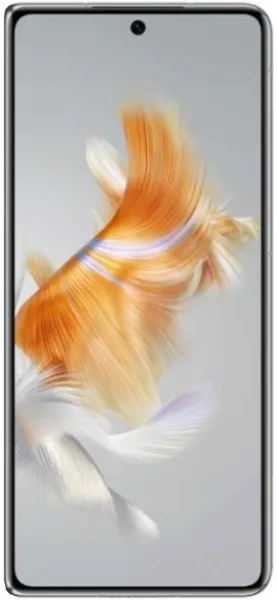
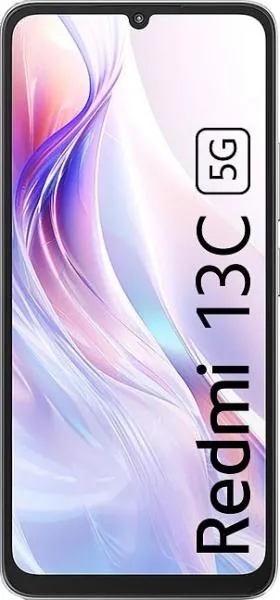
1. Specifications Comparison
| Feature | Huawei Mate X3 | Xiaomi Redmi 13C 5G | Practical Impact |
|---|---|---|---|
| Design | |||
| Dimensions (mm) | 156.9 x 141.5 x 5.3 (folded) | 168 x 78 x 8.1 | Mate X3 significantly more compact when folded, Redmi 13C thicker and heavier overall. Impacts pocketability and one-handed use. |
| Weight (g) | 239 | 192 | Mate X3 lighter despite larger display due to foldable design. |
| Foldable | Yes | No | Mate X3 offers a larger screen in a smaller form factor, enhancing multitasking and media consumption on the go. |
| Display | |||
| Size (inches) | 7.85 (unfolded) | 6.74 | Mate X3 provides a significantly larger screen area for productivity and entertainment. |
| Resolution | 2224 x 2496 | 720 x 1600 | Much sharper and more detailed visuals on the Mate X3. Redmi 13C's lower resolution will be noticeable in everyday use. |
| Display Type | Foldable OLED, 120Hz | IPS LCD, 90Hz | Mate X3 boasts superior contrast, deeper blacks, and smoother animations due to OLED technology and higher refresh rate. |
| PPI | 426 | 260 | Significantly higher pixel density on Mate X3 results in crisper text and images. |
| Performance | |||
| Chipset | Snapdragon 8+ Gen 1 4G | MediaTek Dimensity 6100+ 5G | Mate X3 offers flagship-level performance, enabling demanding tasks and gaming. Redmi 13C provides decent performance for everyday use but will struggle with demanding applications. |
| CPU | Octa-core (1x3.19 GHz Cortex-X2 & 3x2.75 GHz Cortex-A710 & 4x2.0 GHz Cortex-A510) | Octa-core (2x2.2 GHz Cortex-A76 & 6x2.0 GHz Cortex-A55) | Mate X3's CPU architecture is significantly more powerful. |
| GPU | Adreno 730 | Mali-G57 MC2 | Mate X3 has a substantially more powerful GPU, leading to a much better gaming and graphics-intensive application experience. |
| RAM | 8GB/12GB | 4GB/6GB/8GB | More RAM in higher-end Mate X3 configurations allows for smoother multitasking and better performance with multiple apps open. |
| Camera | |||
| Rear Camera | 50MP (wide) + 13MP (ultrawide) + 12MP (periscope telephoto) | 50MP (wide) + 0.08MP (depth) | Mate X3 offers a more versatile camera system with superior zoom capabilities and overall image quality. Redmi 13C's secondary depth sensor is practically useless. |
| Video Recording | Up to 4K@60fps with EIS | Up to 1080p@30fps | Mate X3 allows for higher resolution and frame rate video recording with better stabilization. |
| Battery | |||
| Capacity | 4800 mAh | 5000 mAh | Despite slightly smaller capacity, Mate X3's more efficient processor may result in comparable battery life. Real-world usage will vary. |
| Other | |||
| Price Range | High | Medium | Significant price difference reflects the vastly different feature sets and target audiences. |
| 5G | No | Yes | Redmi 13C offers 5G connectivity for faster data speeds where available. Mate X3 is limited to 4G. |
| NFC | Yes | No | Mate X3 allows for contactless payments and other NFC functionalities. |
2. Key Differences Analysis
Huawei Mate X3 Advantages:
- Superior Performance: Flagship chipset and ample RAM ensure smooth multitasking and demanding application usage.
- High-Quality Display: Foldable OLED with high resolution and refresh rate provides an excellent visual experience.
- Versatile Camera System: Offers a range of lenses for various photography scenarios.
- Premium Design: Sleek and compact foldable design.
Xiaomi Redmi 13C 5G Advantages:
- Affordability: Significantly cheaper than the Mate X3.
- 5G Connectivity: Future-proof network access.
- Larger Battery Capacity: Potentially longer battery life depending on usage.
3. User Profiles & Recommendations
Huawei Mate X3: Ideal for users who prioritize performance, a premium display, and a cutting-edge foldable design and are willing to pay a premium price. Best for power users, content creators, and those who value portability and a large screen for multitasking.
Xiaomi Redmi 13C 5G: Suitable for budget-conscious users who need a basic smartphone with 5G connectivity for everyday tasks like browsing, social media, and communication. Good for students, casual users, and those seeking a simple, affordable device.
4. Decision Framework
Key Questions for Buyers:
- What is your budget? The Mate X3 is significantly more expensive.
- What are your performance needs? The Mate X3 offers flagship performance, while the Redmi 13C is suitable for basic tasks.
- Do you value a foldable design and a premium display? These are key differentiators for the Mate X3.
Scenario-Based Recommendations:
- Limited Budget, Basic Needs: Redmi 13C 5G
- Power User, Demanding Tasks: Huawei Mate X3
- Prioritize Portability and Large Screen: Huawei Mate X3
My Choice: Huawei Mate X3
While significantly more expensive, the Huawei Mate X3 offers a compelling combination of innovative design, flagship performance, and a stunning display. The foldable form factor addresses the need for a large screen without sacrificing portability. The superior camera system and overall build quality further solidify its position as a top-tier device. The lack of 5G is a drawback, but 4G speeds are sufficient for most tasks, and the other advantages outweigh this limitation for my needs. I prioritize a premium user experience and am willing to invest in the technology and innovation the Mate X3 represents. The Redmi 13C is a solid budget option, but it doesn't come close to the Mate X3 in terms of overall capabilities and user experience.
