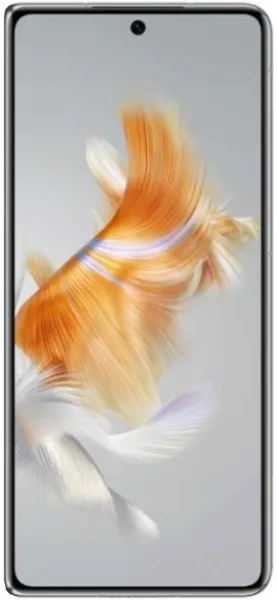
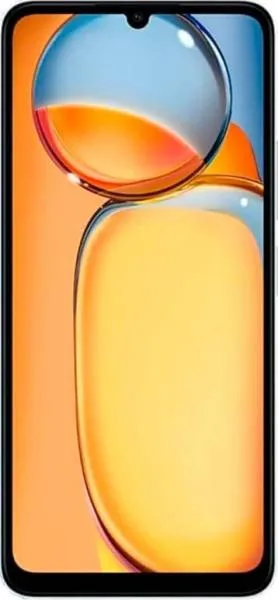
1. Specifications Comparison
| Feature | Huawei Mate X3 | Xiaomi Redmi 13C | Practical Impact |
|---|---|---|---|
| Design | |||
| Dimensions (mm) | 156.9 x 141.5 x 5.3 (folded) | 168 x 78 x 8.1 | Mate X3 significantly more compact when folded, Redmi 13C thicker and heavier overall. Impacts portability and one-handed use. |
| Weight (g) | 239 | 192 | Mate X3 lighter despite larger display due to foldable design. Noticeable difference in daily carry. |
| Foldable | Yes | No | Mate X3 offers a larger screen in a smaller form factor, transforming user experience with multitasking and media consumption. |
| Display | |||
| Size (inches) | 7.85 (unfolded) | 6.74 | Significantly larger screen real estate on the Mate X3 for productivity and entertainment. |
| Resolution (px) | 2224 x 2496 | 720 x 1600 | Much sharper and more detailed visuals on the Mate X3. Redmi 13C's lower resolution might result in pixelation. |
| Display Type | Foldable OLED, 120Hz | IPS LCD, 90Hz | Mate X3 boasts superior contrast, deeper blacks, and smoother animations due to OLED technology and higher refresh rate. |
| PPI Density | 426 | 260 | Mate X3 offers significantly sharper text and images. |
| Performance | |||
| Chipset | Snapdragon 8+ Gen 1 4G (4 nm) | Mediatek Helio G85 (12 nm) | Mate X3 significantly more powerful, enabling demanding tasks, gaming, and smooth multitasking. Redmi 13C suited for basic usage. |
| CPU | Octa-core (1x3.19 GHz Cortex-X2 & 3x2.75 GHz Cortex-A710 & 4x2.0 GHz Cortex-A510) | Octa-core (2x2.0 GHz Cortex-A75 & 6x1.8 GHz Cortex-A55) | Mate X3's CPU architecture and clock speeds offer superior performance across all applications. |
| GPU | Adreno 730 | Mali-G52 MC2 | Mate X3's GPU delivers substantially better graphics performance for gaming and visually intensive tasks. |
| RAM | 8GB/12GB | 4GB/6GB/8GB | More RAM in higher-end Mate X3 configurations enables smoother multitasking and better performance with demanding apps. |
| Camera | |||
| Main Camera (MP) | 50 | 50 | Comparable megapixel count, but image quality likely differs due to sensor size, processing, and lens quality (not fully specified). |
| Video Recording | Up to 4K@60fps with EIS | Up to 1080p@30fps | Mate X3 offers higher resolution and frame rate video recording with electronic image stabilization. |
| Battery | |||
| Capacity (mAh) | 4800 | 5000 | Redmi 13C has slightly larger battery capacity, but real-world battery life depends on numerous factors including display type and processor efficiency. |
2. Key Differences Analysis
Huawei Mate X3 Advantages:
- Superior Performance: Significantly more powerful processor and GPU for demanding tasks and gaming.
- Foldable Design: Offers a large screen in a compact form factor, enhancing portability and versatility.
- High-Quality Display: OLED technology with a 120Hz refresh rate provides vibrant colors, deep blacks, and smooth animations.
Xiaomi Redmi 13C Advantages:
- Lower Price: Significantly more affordable, catering to budget-conscious consumers.
- Larger Battery Capacity: Potentially longer battery life for basic usage.
Trade-offs:
- Mate X3: Higher price, potential software limitations depending on region due to lack of Google services.
- Redmi 13C: Lower performance, less impressive display, basic camera features.
3. User Profiles & Recommendations
Huawei Mate X3: Ideal for users who prioritize performance, a premium display, and innovative design. Suitable for professionals, power users, and content creators who value multitasking and portability.
Xiaomi Redmi 13C: Best suited for budget-conscious users who primarily use their phone for basic communication, web browsing, and social media. Good for students or as a secondary device.
4. Decision Framework
Key Questions for Buyers:
- What is your budget? The Mate X3 is significantly more expensive.
- What are your primary phone usage patterns? For basic tasks, the Redmi 13C is sufficient. For demanding tasks, the Mate X3 is necessary.
- How important is portability and screen size? The Mate X3's foldable design offers a unique advantage.
My Choice: Huawei Mate X3
While significantly more expensive, the Huawei Mate X3 offers a truly innovative and premium smartphone experience. The foldable design, combined with the powerful hardware and stunning display, makes it a compelling choice for users who demand the best. The Redmi 13C, while a solid budget option, simply cannot compete in terms of overall performance and features. The Mate X3's ability to transform from a pocketable device to a tablet-sized screen is a game-changer for productivity and entertainment. The compromises regarding potential software limitations are, for me, outweighed by the significant advantages in user experience.
