1. Specifications Comparison
| Feature | Huawei Mate X3 | Xiaomi Redmi 13 | Practical Impact |
|---|---|---|---|
| Design | |||
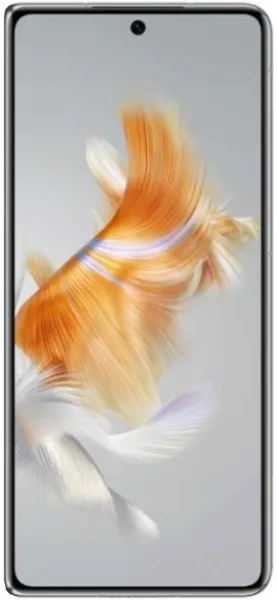
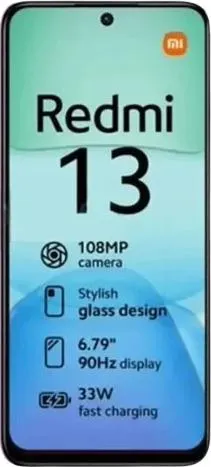
| Dimensions (mm) | 156.9 x 141.5 x 5.3 (folded) | 168.6 x 76.3 x 8.3 | Mate X3 significantly more compact when folded, but larger unfolded. Redmi 13 is a standard slab phone. |
| Weight (g) | 239 | 205 | Mate X3 heavier due to folding mechanism and larger display. |
| Foldable | Yes | No | Mate X3 offers a larger screen real estate in a pocketable size. Redmi 13 offers a traditional smartphone form factor. |
| Display | |||
| Display Type | Foldable OLED, 120Hz | IPS LCD, 90Hz | Mate X3: Superior contrast, deeper blacks, smoother scrolling. Redmi 13: More power-efficient, but less vibrant colors and lower refresh rate. |
| Size (inches) | 7.85 (unfolded), ~6.4 (outer) | 6.79 | Mate X3 provides a tablet-like experience when unfolded. Redmi 13 offers a large display for a standard phone. |
| Resolution (px) | 2224 x 2496 (unfolded) 1080 x 2504 (outer) | 1080 x 2460 | Mate X3: Sharper, more detailed visuals, especially when unfolded. Redmi 13: Decent resolution for everyday use. |
| Performance | |||
| Chipset | Snapdragon 8+ Gen 1 4G (4 nm) | Mediatek Helio G91 Ultra (12 nm) | Mate X3 significantly more powerful, enabling smoother multitasking, faster app loading, and better gaming performance. |
| CPU | Octa-core (1x3.19 GHz Cortex-X2 & 3x2.75 GHz Cortex-A710 & 4x2.0 GHz Cortex-A510) | Octa-core (2x2.0 GHz Cortex-A75 & 6x1.8 GHz Cortex-A55) | Mate X3 has a more modern and powerful CPU architecture. |
| GPU | Adreno 730 | Mali-G52 MC2 | Mate X3: Superior graphics performance for demanding games and applications. |
| RAM | 8GB/12GB | 6GB/8GB | More RAM in higher-end Mate X3 configurations allows for smoother multitasking. |
| Camera | |||
| Main Camera (MP) | 50 MP (Sony IMX766) | 108 MP | While Redmi 13 boasts higher resolution, the Mate X3 utilizes a larger sensor (Sony IMX766) known for good low-light performance. Image quality depends on processing, therefore we can't determine which is better. |
| Other Cameras | Wide, Telephoto | Portrait | Mate X3 offers greater versatility with telephoto capabilities. Redmi 13 includes a dedicated depth sensor for portrait shots. |
| Battery | |||
| Capacity (mAh) | 4800 | 5030 | Redmi 13 has a slightly larger battery capacity. However, the Mate X3's larger, higher refresh rate display will likely consume more power. Real-world battery life depends heavily on usage patterns. |
2. Key Differences Analysis
Huawei Mate X3 Advantages:
- Foldable Design: Offers a large screen in a compact form factor.
- Superior Performance: Significantly more powerful processor and GPU for demanding tasks and gaming.
- High-Quality Display: OLED technology with 120Hz refresh rate for vibrant visuals and smooth scrolling.
- Versatile Camera System: Includes wide and telephoto lenses for various shooting scenarios.
Xiaomi Redmi 13 Advantages:
- Lower Price: Significantly more affordable.
- Larger Battery: Potentially longer battery life, but actual usage may vary.
- Latest Android Version: Ships with Android 14, potentially offering newer features and longer software support (although Huawei's update track record is unclear).
Trade-offs:
- Mate X3: Significantly more expensive, potentially shorter battery life due to the large, high refresh rate display, heavier, availability and app support limitations due to US sanctions against Huawei.
- Redmi 13: Lower performance, less versatile camera system, less premium display.
3. User Profiles & Recommendations
Huawei Mate X3: Ideal for users who value portability and a large screen for productivity and media consumption, prioritize performance, and are willing to pay a premium. Suitable for professionals, content creators, and power users.
Xiaomi Redmi 13: Best suited for budget-conscious users who prioritize affordability and long battery life for everyday tasks like browsing, social media, and communication. Good for students, casual users, and those seeking a basic smartphone experience.
4. Decision Framework
Key Questions for Buyers:
- Budget: How much are you willing to spend on a smartphone?
- Priorities: Do you prioritize portability and a large screen or affordability and battery life? Is top-tier performance critical?
- Usage: How will you primarily use your phone (e.g., productivity, gaming, social media)?
Scenario-Based Recommendations:
- Limited Budget: Redmi 13 is a cost-effective option for basic smartphone needs.
- Power User: Mate X3 offers the performance and features for demanding tasks.
- On-the-Go Productivity: Mate X3's foldable design provides a larger workspace in a portable form factor.
My Choice: Huawei Mate X3
While significantly more expensive, the Huawei Mate X3 aligns better with my personal preferences and needs. I value the innovative foldable design for its portability and productivity benefits. The superior performance and high-quality display are crucial for a smooth and enjoyable user experience. I am willing to compromise on battery life for the added functionality and premium features. However, the lack of Google services and potential app limitations due to US sanctions are significant concerns that need careful consideration before purchasing. The availability of the phone in my region and its long-term software support are also factors that would influence my final decision.
