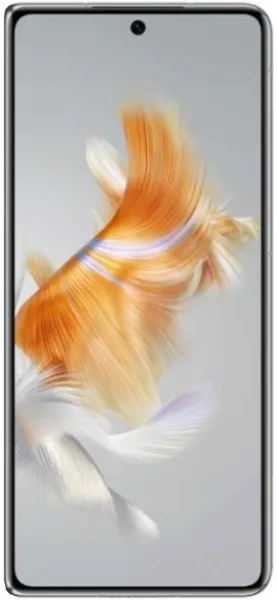
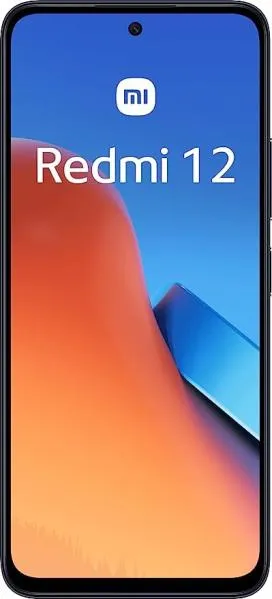
1. Specifications Comparison
| Feature | Huawei Mate X3 | Xiaomi Redmi 12 | Practical Impact |
|---|---|---|---|
| Design | |||
| Dimensions (mm) | 156.9 x 141.5 x 5.3 (folded) | 168.6 x 76.3 x 8.2 | Mate X3 significantly more compact when folded, Redmi 12 thinner when unfolded. Impacts pocketability and one-handed use. |
| Weight (g) | 239 | 198.5 | Mate X3 heavier but considering its foldable design, the weight is impressive. Redmi 12 lighter, contributing to better one-handed usability. |
| Foldable | Yes | No | Mate X3 offers a larger screen in a smaller form factor, enhancing multitasking and media consumption on the go. |
| Display | |||
| Display Type | Foldable OLED, 120Hz | IPS LCD, 90Hz | Mate X3: Superior contrast, deeper blacks, smoother scrolling. Redmi 12: Wider viewing angles, potentially better visibility in direct sunlight. |
| Display Size (inches) | 7.85 (unfolded) | 6.79 | Mate X3 provides a significantly larger screen real estate for multitasking and media consumption. |
| Resolution | 2224 x 2496 | 1080 x 2460 | Mate X3 boasts much sharper visuals due to higher resolution, especially noticeable when reading text or viewing detailed images. |
| PPI | 426 | 396 | Sharper image on the Mate X3, though the difference might not be hugely noticeable in everyday use. |
| Performance | |||
| Chipset | Snapdragon 8+ Gen 1 4G (4 nm) | Mediatek Helio G88 (12 nm) | Mate X3 offers significantly faster processing speeds, smoother multitasking, and better gaming performance. |
| CPU | Octa-core (1x3.19 GHz Cortex-X2 & 3x2.75 GHz Cortex-A710 & 4x2.0 GHz Cortex-A510) | Octa-core (2x2.0 GHz Cortex-A75 & 6x1.8 GHz Cortex-A55) | Mate X3: Superior CPU performance in demanding tasks and gaming. Redmi 12: Sufficient for daily tasks but may struggle with demanding applications. |
| GPU | Adreno 730 | Mali-G52 MC2 | Mate X3 offers a significantly more powerful GPU, resulting in a smoother gaming experience and faster rendering in graphics-intensive applications. |
| RAM | 8GB/12GB | 4GB/6GB/8GB | More RAM in the Mate X3 allows for smoother multitasking and better performance with multiple apps open. |
| Camera | |||
| Main Camera | 50MP Sony IMX766 | 50MP Samsung S5KJN1 | Both offer high megapixel counts, but image quality depends on processing and other factors. Sensor size information missing for Redmi 12 making detailed comparison difficult. |
| Video Recording | Up to 4K@60fps with EIS | 1080p@30fps | Mate X3 offers superior video recording capabilities with higher resolution and frame rate, along with Electronic Image Stabilization (EIS) for smoother footage. |
| Battery | |||
| Capacity | 4800 mAh | 5000 mAh | Redmi 12 has a slightly larger battery capacity. Real-world battery life depends on usage patterns and optimization. |
2. Key Differences Analysis
Huawei Mate X3 Advantages:
- Superior Performance: Significantly faster processor, GPU, and more RAM for demanding tasks and gaming.
- Foldable Design: Offers a large screen in a compact form factor.
- High-Quality Display: OLED display with 120Hz refresh rate provides vibrant colors, deep blacks, and smooth scrolling.
- Advanced Camera Features: Higher resolution video recording capabilities and more versatile camera setup.
Xiaomi Redmi 12 Advantages:
- Lower Price: Significantly more affordable.
- Larger Battery: Potentially longer battery life.
- Lighter Weight: Easier to hold and use for extended periods.
Trade-offs:
- Mate X3: Higher price, potentially shorter battery life compared to Redmi 12.
- Redmi 12: Significantly lower performance, less impressive display, basic camera features.
3. User Profiles & Recommendations
Huawei Mate X3: Ideal for users who prioritize performance, a large and high-quality display, a compact foldable design, and are willing to pay a premium price. Suitable for demanding tasks, multitasking, media consumption, and gaming.
Xiaomi Redmi 12: Best suited for budget-conscious users who prioritize basic functionality, long battery life, and a large screen. Suitable for everyday tasks like browsing, social media, and casual gaming.
4. Decision Framework
Key Questions for Buyers:
- What is your budget? The Mate X3 is significantly more expensive.
- What are your performance needs? For demanding tasks and gaming, the Mate X3 is vastly superior.
- How important is portability and screen size? The Mate X3's foldable design offers a unique advantage.
Scenario-Based Recommendations:
- Heavy Multitasker/Gamer: Mate X3
- Budget-Conscious User: Redmi 12
- User who values portability and large screen: Mate X3
My Choice: Huawei Mate X3
While the Xiaomi Redmi 12 offers excellent value for its price, I would choose the Huawei Mate X3. The foldable design, combined with the superior performance and stunning display, creates a compelling user experience. The ability to have a tablet-sized screen in a pocketable device is a game-changer for productivity and entertainment. While the price is high, the innovative technology and premium features justify the cost for my needs. I prioritize performance and portability, and the Mate X3 delivers on both fronts. The lack of specific camera sensor details for the Redmi 12 makes a thorough camera comparison challenging, but the Mate X3's video recording capabilities alone are a significant advantage. Finally, while the Redmi 12 boasts a larger battery, the performance difference between the two phones is too substantial to ignore.
