
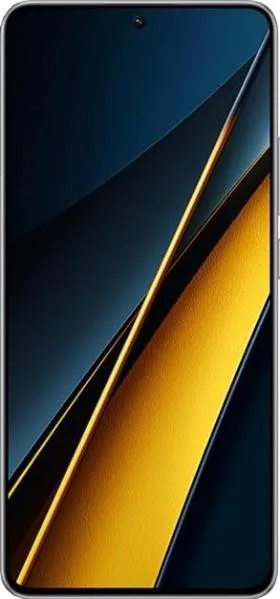
1. Specifications Comparison
| Feature | Huawei Mate X3 | Xiaomi Poco X6 Pro | Practical Impact |
|---|---|---|---|
| Design | |||
| Dimensions (mm) | 156.9 x 141.5 x 5.3 (folded) | 160.5 x 74.3 x 8.3 | Mate X3 significantly thinner when folded, but larger unfolded. Poco X6 Pro more pocketable in daily use. |
| Weight (g) | 239 | 186 | Poco X6 Pro noticeably lighter, reducing hand fatigue during extended use. |
| Foldable | Yes | No | Mate X3 offers a larger screen real estate for multitasking and media consumption but introduces potential durability concerns. |
| Display | |||
| Display Size (inches) | 7.85 (unfolded) | 6.67 | Mate X3 provides a tablet-like experience when unfolded. Poco X6 Pro offers a standard large smartphone screen. |
| Resolution (px) | 2224 x 2496 | 1220 x 2712 | Both offer sharp displays, but Mate X3 has a higher resolution due to its larger size. |
| Display Type | Foldable OLED, 120Hz | AMOLED, 120Hz, HDR10+, Dolby Vision | Both offer smooth scrolling and animations. Poco X6 Pro supports HDR10+ and Dolby Vision for enhanced video playback with wider color gamut and dynamic range. Missing HDR information for Mate X3 limits direct comparison. |
| Peak Brightness (nits) | Missing | 1800 | Poco X6 Pro's higher peak brightness ensures better visibility outdoors. Missing data for Mate X3 prevents full comparison. |
| Performance | |||
| Chipset | Snapdragon 8+ Gen 1 4G (4 nm) | Dimensity 8300 Ultra (4 nm) | Both chipsets offer high-end performance. Snapdragon 8+ Gen 1 generally considered slightly more powerful, but real-world difference may be minimal. |
| CPU | Octa-core (1x3.19 GHz Cortex-X2 & 3x2.75 GHz Cortex-A710 & 4x2.0 GHz Cortex-A510) | Octa-core (1x3.35 GHz Cortex-A715 & 3x3.20 GHz Cortex-A715 & 4x2.20 GHz Cortex-A510) | Comparable CPU configurations. Specific benchmarks needed for definitive performance comparison. |
| GPU | Adreno 730 | Mali G615-MC6 | Adreno 730 generally delivers stronger gaming performance compared to Mali G615-MC6. |
| RAM (GB) | 8/12 | 8/12 | Both offer ample RAM for smooth multitasking. |
| Camera | |||
| Main Camera (MP) | 50 (Sony IMX766) | 64 (Omnivision OV64B) | Both sensors are capable, but the IMX766 in the Mate X3 is generally known for excellent image quality. |
| Ultrawide (MP) | 12 | 8 | Mate X3 has a higher resolution ultrawide lens. |
| Telephoto (MP) | 16 | Missing dedicated Telephoto | Mate X3 offers optical zoom capabilities, enabling clearer zoomed-in shots compared to digital zoom. |
| Battery | |||
| Capacity (mAh) | 4800 | 5000 | Poco X6 Pro has a slightly larger battery, potentially offering longer battery life. |
2. Key Differences Analysis
Huawei Mate X3 Advantages:
- Foldable Design: Offers larger screen real estate for productivity and media consumption.
- Superior Camera System: Leica-tuned lenses and a dedicated telephoto lens provide a versatile photography experience. Potentially better main sensor.
- Premium Build: Generally perceived as a more premium device due to materials and design.
Xiaomi Poco X6 Pro Advantages:
- Lower Price: Significantly more affordable, offering excellent value for its specifications.
- Lighter and More Pocketable: Easier to carry and use for extended periods.
- Longer Battery Life: Larger battery capacity suggests potential for extended usage time.
- 5G Connectivity: Supports faster cellular data speeds. Mate X3 is limited to 4G.
- HDR10+ and Dolby Vision: Enhanced video playback quality.
Trade-offs:
- Mate X3: Higher price, potential durability concerns associated with foldable displays, lacks 5G.
- Poco X6 Pro: Less versatile camera system, lacks the premium feel and expansive screen of a foldable device.
3. User Profiles & Recommendations
Huawei Mate X3: Ideal for users who prioritize a large screen for multitasking, media consumption, and appreciate a high-quality camera system. Best suited for professionals, content creators, or those seeking a cutting-edge device.
Xiaomi Poco X6 Pro: Ideal for budget-conscious users who value performance, battery life, and a modern feature set. Suitable for students, gamers, or anyone seeking a well-rounded smartphone without breaking the bank.
4. Decision Framework
Key Questions for Buyers:
- Budget: Is a premium price justifiable for the foldable form factor and potentially better camera?
- Priority Features: Is a large screen for multitasking or a longer battery life more important?
- Camera Needs: Is a versatile camera system with optical zoom a priority?
My Choice: Xiaomi Poco X6 Pro
While the Huawei Mate X3 is undeniably innovative and boasts a premium camera system, the Xiaomi Poco X6 Pro offers incredible value for its price. As a smartphone analyst focused on practicality, the Poco X6 Pro's combination of strong performance, long battery life, 5G connectivity, and a bright HDR10+ display outweighs the benefits of a foldable screen for my personal needs. The significant price difference allows for investment in other accessories or gadgets. I value portability and battery life over the larger screen offered by the Mate X3, and the Poco X6 Pro's camera, while less versatile, is still very capable for everyday photography. The presence of 5G future-proofs the device for upcoming network advancements. Ultimately, the Poco X6 Pro provides a more well-rounded and practical experience for my usage patterns.
