1. Specifications Comparison
| Feature | Huawei Mate X3 | Xiaomi Poco M6 Pro | Practical Impact |
|---|---|---|---|
| Design | |||
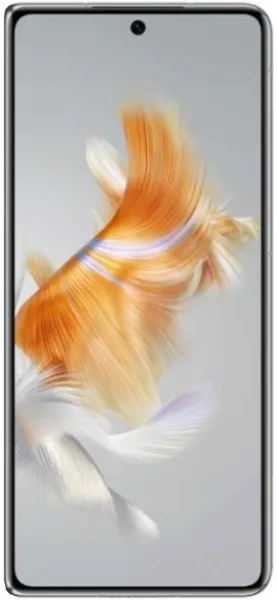
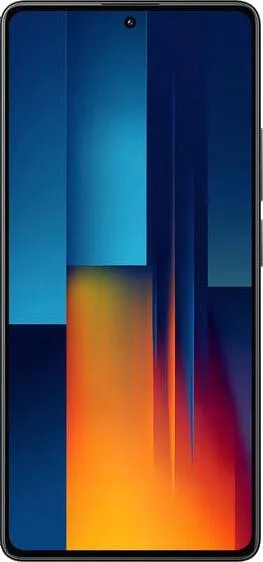
| Dimensions (mm) | 156.9 x 141.5 x 5.3 (folded) | 161.1 x 75 x 8 | Mate X3 significantly more compact when folded, but larger unfolded. Poco M6 Pro is a standard slab phone. |
| Weight (g) | 239 | 179 | Mate X3 heavier due to folding mechanism and larger display. Poco M6 Pro easier to carry and handle for extended periods. |
| Foldable | Yes | No | Mate X3 offers a larger screen real estate for multitasking and media consumption in a pocketable device. |
| Display | |||
| Display Size (inches) | 7.85 (unfolded), ~6.4 (folded - estimated) | 6.67 | Mate X3 provides a tablet-like experience when unfolded, significantly larger than the Poco M6 Pro. |
| Resolution (px) | 2224 x 2496 (unfolded) | 1080 x 2400 | Much sharper image on the Mate X3, especially noticeable when unfolded. |
| Display Type | Foldable OLED, 120Hz | AMOLED, 120Hz | Both offer smooth scrolling and animations, but Mate X3's foldable OLED likely has superior contrast and flexibility. |
| PPI | 426 | 395 | Mate X3 has a slightly denser display, resulting in sharper text and images. Difference is minimal in practice. |
| Performance | |||
| Chipset | Snapdragon 8+ Gen 1 4G (4 nm) | Mediatek Helio G99 Ultra | Mate X3 boasts a flagship-level processor, offering significantly better performance for demanding tasks and gaming. |
| CPU | Octa-core (1x3.19 GHz Cortex-X2 & 3x2.75 GHz Cortex-A710 & 4x2.0 GHz Cortex-A510) | Octa-core (2x2.2 GHz Cortex-A76 & 6x2.0 GHz Cortex-A55) | Mate X3's CPU architecture is more powerful and efficient. |
| GPU | Adreno 730 | Mali-G57 MC2 | Mate X3 offers significantly better graphics performance for gaming and visually demanding applications. |
| RAM | 8GB/12GB | 6GB/8GB/12GB | Both offer sufficient RAM for most users, though higher RAM options provide better multitasking. |
| Camera | |||
| Main Camera (MP) | 50 MP (Sony IMX766) | 64 MP (Omnivision OV64B) | Both have high-resolution sensors, but image quality depends on processing. Sensor size and pixel size suggest the Mate X3 might perform better in low light. |
| Video Recording | Up to 4K@60fps with EIS | Up to 1080p@60fps with EIS | Mate X3 capable of higher resolution video recording. |
| Battery | |||
| Capacity (mAh) | 4800 | 5000 | Poco M6 Pro has a slightly larger battery capacity, but real-world battery life depends on usage and optimization. Mate X3's larger, higher resolution display will likely consume more power. |
2. Key Differences Analysis
Huawei Mate X3 Advantages:
- Superior Performance: Flagship chipset and powerful GPU deliver a smoother, faster experience for demanding tasks and gaming.
- Larger, Sharper Display: Foldable design allows for a significantly larger and higher resolution display than the Poco M6 Pro.
- Premium Build and Design: The foldable design and materials used in the Mate X3 signify a higher-end device.
Xiaomi Poco M6 Pro Advantages:
- Lower Price: Significantly more affordable, offering good value for its features.
- Larger Battery Capacity: Potentially longer battery life, although real-world performance depends on usage.
- Lighter and Easier to Handle: More comfortable for one-handed use and extended periods of holding.
3. User Profiles & Recommendations
Huawei Mate X3: Users who prioritize performance, a large and stunning display for multitasking and media consumption, and are willing to pay a premium for the latest technology, even with the lack of 5G. Suitable for professionals, content creators, and power users.
Xiaomi Poco M6 Pro: Budget-conscious users who need a reliable device with a good display and long battery life. Suitable for everyday tasks, social media, web browsing, and casual gaming.
4. Decision Framework
Key Questions for Buyers:
- Budget: How much are you willing to spend?
- Performance Needs: Do you require top-tier performance for demanding tasks or gaming?
- Form Factor: Do you value portability and a large screen, or prefer a traditional smartphone design?
Scenario-Based Recommendations:
- Limited Budget: Poco M6 Pro
- Prioritize Performance & Multitasking: Mate X3
- Value Portability and Large Screen: Mate X3
- Prefer a Traditional Smartphone: Poco M6 Pro
My Choice: Huawei Mate X3
While significantly more expensive, the Huawei Mate X3 offers a compelling combination of cutting-edge technology and a unique user experience. The foldable design, powerful performance, and stunning display outweigh the higher price and lack of 5G for my personal needs. I prioritize having a device that can handle demanding tasks, provide a great media consumption experience, and offer a glimpse into the future of smartphones. The Poco M6 Pro is a solid budget option, but it doesn't excite me in the same way. The lack of 5G in the Mate X3 is a consideration, but where I live 5G deployment is still limited, making it less of a deciding factor.
