
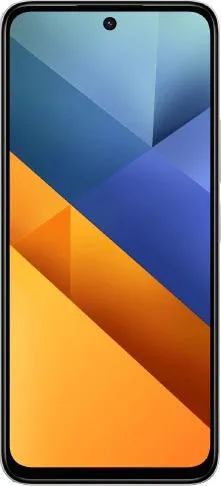
1. Specifications Comparison
| Feature | Huawei Mate X3 | Xiaomi Poco M6 4G | Practical Impact |
|---|---|---|---|
| Design | |||
| Dimensions (mm) | 156.9 x 141.5 x 5.3 (folded) | 168.6 x 76.3 x 8.3 | Mate X3 significantly more compact when folded, Poco M6 thinner when unfolded. Impacts pocketability and one-handed use. |
| Weight (g) | 239 | 205 | Mate X3 heavier despite being foldable, likely due to more complex hinge and materials. |
| Foldable | Yes | No | Mate X3 offers a larger screen real estate in a smaller form factor when folded. Poco M6 offers a traditional smartphone experience. |
| Display | |||
| Display Type | Foldable OLED, 120Hz | IPS LCD, 90Hz | Mate X3: Superior contrast, deeper blacks, smoother animations due to higher refresh rate. Potential for screen burn-in. Poco M6: Wider viewing angles, better visibility in direct sunlight, less susceptible to burn-in. |
| Display Size (inches) | 7.85 (unfolded), ~6.4" (outer) | 6.79 | Mate X3 provides a tablet-like experience when unfolded. Poco M6 offers a large display for a traditional smartphone. |
| Resolution (px) | 2224 x 2496 (unfolded), 1080 x 2504 (outer) | 1080 x 2460 | Mate X3: Sharper, more detailed visuals, especially noticeable when unfolded. Poco M6: Sufficient sharpness for everyday use, less demanding on battery. |
| Performance | |||
| Chipset | Snapdragon 8+ Gen 1 4G (4 nm) | Mediatek Helio G91 Ultra (12 nm) | Mate X3: Significantly faster CPU and GPU, better for demanding tasks, gaming, and multitasking. Poco M6: Decent performance for everyday tasks, but may struggle with demanding applications or games. |
| RAM (GB) | 8/12 | 6/8 | Mate X3: More RAM enables smoother multitasking and better performance with multiple apps open. Poco M6: Adequate for moderate multitasking, but may experience slowdowns with heavy usage. |
| OS | Unspecified | Android 14 | Mate X3: OS details missing, limiting comparison. Poco M6: Latest Android version with potential for longer software support. |
| Camera | |||
| Main Camera (MP) | 50 | 108 | Poco M6 boasts higher resolution, potentially capturing more detail. Image quality depends on sensor size, processing, and other factors not fully specified. |
| Camera Features | Leica Lens, 5x Optical Zoom | Dual Camera | Mate X3: Leica collaboration suggests potential for superior image quality and color science. Optical zoom offers versatility in framing shots. Poco M6: Simpler camera system likely optimized for everyday photography. |
| Battery | |||
| Capacity (mAh) | 4800 | 5030 | Poco M6 has a slightly larger battery capacity. Actual battery life depends on usage patterns, display settings, and processor efficiency. |
2. Key Differences Analysis
Huawei Mate X3 Advantages:
- Foldable Design: Offers a unique form factor with a larger inner display for productivity and media consumption.
- Superior Performance: Significantly more powerful processor and more RAM for demanding tasks and gaming.
- Premium Display: Higher resolution, refresh rate, and OLED technology for a visually stunning experience.
- Advanced Camera System: Leica collaboration and optical zoom capabilities suggest potential for superior image quality.
Xiaomi Poco M6 4G Advantages:
- Lower Price: Significantly more affordable than the Mate X3.
- Larger Battery: Slightly larger battery capacity potentially offering longer battery life.
- Latest Android Version: Ensures access to newer features and potential for longer software updates.
- Simpler, More Durable Design: Traditional smartphone design may be more robust and less prone to damage than a foldable phone.
Trade-offs:
- Mate X3: Higher price, potentially lower battery life due to the demanding display and processor, more fragile foldable design. Missing OS details are a significant limitation.
- Poco M6: Lower performance, less impressive display, basic camera system compared to the Mate X3.
3. User Profiles & Recommendations
Huawei Mate X3: Users who value cutting-edge technology, portability, and a large screen for productivity and entertainment on the go. Ideal for professionals, content creators, and heavy multitaskers. Price is a major consideration.
Xiaomi Poco M6 4G: Budget-conscious users who prioritize affordability and long battery life. Suitable for everyday tasks like browsing, social media, and communication. Not ideal for demanding gaming or professional content creation.
4. Decision Framework
Key Questions for Buyers:
- What is your budget? The Mate X3 is significantly more expensive.
- How important is portability and screen size? The Mate X3's foldable design offers unique advantages.
- What are your primary use cases? Demanding tasks and content creation benefit from the Mate X3's performance; basic tasks are well handled by the Poco M6.
Scenario-Based Recommendations:
- Limited Budget, Basic Use: Poco M6 4G
- High Budget, Demanding Use, Value Portability: Huawei Mate X3 (pending further OS information)
My Choice:
I would choose the Xiaomi Poco M6 4G, primarily due to the significant price difference and the lack of crucial information about the Huawei Mate X3's operating system. While the Mate X3 boasts impressive hardware, the missing OS details raise concerns about functionality, app availability, and overall user experience. The Poco M6 offers a solid foundation for everyday use at a fraction of the cost. If the budget wasn't a constraint and the Mate X3 had confirmed access to a widely supported OS with Google Mobile Services, the choice would be significantly harder. The foldable form factor and powerful hardware are compelling, but not without the necessary software foundation. A clear understanding of the Mate X3's software ecosystem is crucial for a fully informed decision.
