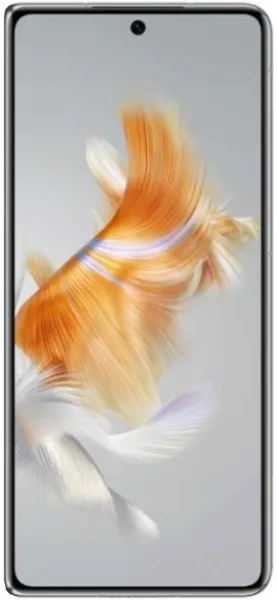
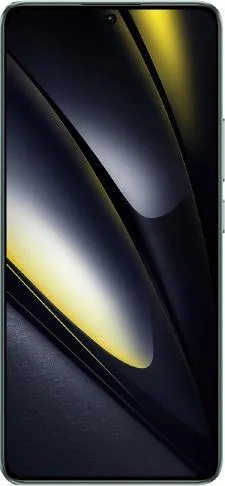
1. Specifications Comparison
| Feature | Huawei Mate X3 | Xiaomi Poco F6 | Practical Impact |
|---|---|---|---|
| Design | |||
| Dimensions (mm) | 156.9 x 141.5 x 5.3 (folded) | 160.5 x 74.5 x 8 | Mate X3 significantly thinner and slightly smaller when folded, but larger unfolded. Poco F6 is a traditional slab phone. |
| Weight (g) | 239 | 179 | Mate X3 noticeably heavier due to folding mechanism. Poco F6 more pocketable for everyday carry. |
| Foldable | Yes | No | Mate X3 offers a larger screen real estate in a pocketable device. Poco F6 offers a more traditional smartphone experience. |
| Display | |||
| Size (inches) | 7.85 (unfolded), ~6.4" (outer) | 6.67 | Mate X3 provides a tablet-like experience when unfolded. Poco F6 has a large, but standard, screen size. |
| Resolution (px) | 2224 x 2496 (unfolded) | 1220 x 2712 | Both offer sharp displays, but Mate X3's unfolded screen provides more detail for multitasking and media consumption. |
| Type | Foldable OLED, 120Hz | AMOLED, 120Hz, HDR10+, Dolby Vision | Both have smooth, high refresh rate displays. Poco F6 supports HDR10+ and Dolby Vision for enhanced video quality. Mate X3's display tech is unclear regarding HDR support. |
| Peak Brightness (nits) | Not specified | 2400 | Poco F6's significantly higher peak brightness ensures better outdoor visibility. We lack data for the Mate X3. |
| Performance | |||
| Chipset | Snapdragon 8+ Gen 1 4G (4 nm) | Snapdragon 8s Gen 3 (4 nm) | Poco F6 features a newer, slightly more powerful processor. Real-world performance differences might be minimal for average users. |
| CPU | Octa-core (1x3.19 GHz X2 & 3x2.75 GHz A710 & 4x2.0 GHz A510) | Octa-core (1x3.0 GHz X4 & 4x2.8 GHz A720 & 3x2.0 GHz A520) | Both offer high-end performance. Architectural differences might favor the Poco F6 in sustained workloads. |
| GPU | Adreno 730 | Adreno 735 | Poco F6 has a slightly more powerful GPU, potentially leading to smoother gaming performance at higher settings. |
| RAM | 8/12GB | 8/12GB | Both offer ample RAM for multitasking. |
| Camera | |||
| Main Camera (MP) | 50 MP, f/1.8, Sony IMX766 | 50 MP, f/1.6, Sony IMX882 | Both feature high-resolution sensors. The Poco F6 boasts a wider aperture (f/1.6), potentially capturing more light in low-light conditions. |
| Ultrawide (MP) | 12 MP, f/2.2 | 8 MP, f/2.2 | Mate X3 has a higher resolution ultrawide. Poco F6's ultrawide seems less capable. |
| Telephoto (MP) | 16 MP, f/3.4, 5x optical zoom | None | Mate X3 offers optical zoom for better image quality at longer distances, a significant advantage. |
| Battery | |||
| Capacity (mAh) | 4800 | 5000 | Poco F6 has a slightly larger battery capacity, potentially leading to longer battery life. |
2. Key Differences Analysis
Huawei Mate X3 Advantages:
- Foldable Design: Offers a larger screen in a compact form factor.
- Superior Telephoto Lens: Provides 5x optical zoom for detailed distant shots.
- Potentially Better Ultrawide: Higher resolution than the Poco F6's offering.
Xiaomi Poco F6 Advantages:
- Newer Processor and GPU: Slightly improved performance in benchmarks and potentially demanding games.
- Brighter Display: Significantly brighter, improving outdoor visibility.
- Larger Battery: Potentially longer battery life.
- Lower Price: Significantly more affordable.
- 5G Connectivity: Supports the latest cellular network technology for faster data speeds. The Mate X3 is limited to 4G.
- More Up-to-Date OS: Ships with Android 14, ensuring newer features and longer software support. Mate X3's OS details are missing.
3. User Profiles & Recommendations
Huawei Mate X3: Ideal for users who prioritize a large screen for productivity and media consumption on the go and value a compact form factor. The higher price point reflects the premium foldable technology.
Xiaomi Poco F6: Suitable for users who seek a powerful, well-rounded smartphone with excellent performance and a long-lasting battery at a more affordable price.
4. Decision Framework
Key Questions for Buyers:
- Form Factor: Do you prioritize portability with a large foldable screen or a traditional smartphone design?
- Budget: Is a premium price justifiable for the foldable technology and telephoto lens of the Mate X3?
- Connectivity: Is 5G connectivity crucial, or is 4G sufficient for your needs?
My Choice: Xiaomi Poco F6
While the Huawei Mate X3's foldable design and telephoto lens are compelling, the Xiaomi Poco F6 offers a better overall package for my needs. The newer processor, brighter display, larger battery, 5G connectivity, and significantly lower price make it a more practical choice. I value performance, battery life, and modern features over the novelty of a foldable screen. The price difference is substantial enough to outweigh the benefits of the Mate X3 for my usage. The lack of OS information for the Mate X3 is also concerning. Finally, the Poco F6's superior main camera aperture and comprehensive software support further solidify its position as the better value proposition.
