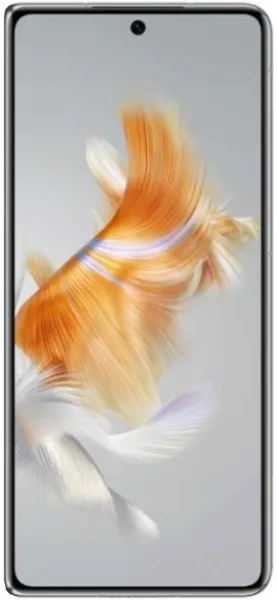
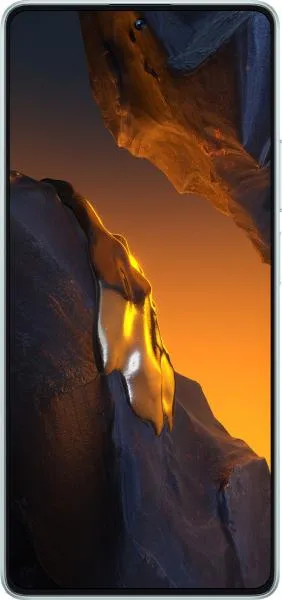
1. Specifications Comparison
| Feature | Huawei Mate X3 | Xiaomi Poco F5 | Practical Impact |
|---|---|---|---|
| Design | |||
| Dimensions (mm) | 156.9 x 141.5 x 5.3 (folded) | 161.1 x 75 x 7.9 | Mate X3 significantly more compact when folded, Poco F5 thinner when unfolded. |
| Weight (g) | 239 | 181 | Poco F5 noticeably lighter for one-handed use. |
| Foldable | Yes | No | Mate X3 offers a larger screen in a smaller form factor, Poco F5 is a traditional slab phone. |
| Display | |||
| Size (inches) | 7.85 (unfolded), ~6.4" (external) | 6.67 | Mate X3 provides a significantly larger main display for multitasking and media consumption. |
| Resolution (px) | 2224 x 2496 (unfolded), 1080 x 2504 (external) | 1080 x 2400 | Mate X3 boasts a much sharper display, especially when unfolded. |
| Type | Foldable OLED, 120Hz | AMOLED, 120Hz | Both offer smooth scrolling and animations, but the Mate X3's foldable OLED introduces a crease. |
| Color Depth | 1B | 68B | Poco F5 supports a wider color gamut for more vibrant visuals. |
| HDR | No HDR10/10+/Dolby Vision listed | HDR10+, Dolby Vision | Poco F5 offers better HDR support for compatible content. |
| Performance | |||
| Chipset | Snapdragon 8+ Gen 1 4G (4 nm) | Snapdragon 7+ Gen 2 (4 nm) | Mate X3 has a slightly more powerful processor, potentially offering better peak performance. |
| CPU | Octa-core (1x3.19 GHz X2 & 3x2.75 GHz A710 & 4x2.0 GHz A510) | Octa-core (1x2.91 GHz X2 & 3x2.49 GHz A710 & 4x1.8 GHz A510) | Both are powerful CPUs, but the Mate X3 has higher clock speeds. Real-world difference might be minimal for average users. |
| GPU | Adreno 730 | Adreno 725 | Mate X3's GPU offers a slight performance advantage in demanding games and graphics-intensive tasks. |
| RAM | 8GB/12GB | 8GB/12GB | Both offer ample RAM for multitasking. |
| Camera | |||
| Main Camera | 50MP, f/1.8 | 64MP, f/1.79 | Both have high-resolution sensors. Poco F5 has a slightly wider aperture, potentially capturing more light in low-light conditions. |
| Ultrawide | 13MP, f/2.2 | 8MP, f/2.2 | Mate X3 has a higher resolution ultrawide camera. |
| Telephoto | 12MP Periscope, f/3.4, 5x Optical Zoom | No dedicated telephoto | Mate X3 offers optical zoom for better image quality at longer distances. Poco F5 relies on digital zoom. |
| Battery | |||
| Capacity (mAh) | 4800 | 5000 | Poco F5 has a slightly larger battery capacity, potentially offering longer battery life. |
2. Key Differences Analysis
Huawei Mate X3 Advantages:
- Foldable Design: Offers a large screen in a compact form factor.
- Sharper Display: Significantly higher resolution for detailed visuals.
- More Powerful Chipset: Slight performance advantage in demanding tasks.
- Superior Zoom Capabilities: Dedicated periscope telephoto lens for better zoomed images.
Xiaomi Poco F5 Advantages:
- Lower Price: Significantly more affordable.
- Lighter and Thinner (unfolded): More comfortable for one-handed use.
- Larger Battery: Potentially longer battery life.
- Wider Color Gamut & HDR support: More vibrant and dynamic visuals for compatible content.
- 5G Connectivity: Supports faster cellular data speeds, while Mate X3 is limited to 4G.
Trade-offs:
- Mate X3: Higher price, crease in the folding display, potentially shorter battery life. Lacks 5G.
- Poco F5: Less powerful chipset, no telephoto lens, lower resolution display.
3. User Profiles & Recommendations
Huawei Mate X3: Ideal for users who prioritize portability and a large screen for productivity and media consumption, and are willing to pay a premium. Best for users who value having a cutting-edge, compact device. Less suitable for budget-conscious buyers or those needing 5G.
Xiaomi Poco F5: Ideal for budget-conscious users who prioritize performance, battery life, and modern display features like wider color gamut and HDR. Best for gamers, media consumers who want a great value device. Not suitable for users who need a foldable phone or advanced zoom capabilities.
4. Decision Framework
Key Questions for Buyers:
- Budget: How much are you willing to spend?
- Form Factor: Do you prioritize portability and a large screen offered by a foldable, or a traditional slab phone?
- Usage: What will you primarily use the phone for (e.g., productivity, gaming, media consumption)?
Scenario-Based Recommendations:
- Limited budget, prioritize gaming: Poco F5
- Need a large screen for productivity on the go: Mate X3
- Value photography with strong zoom capabilities: Mate X3
- Want the latest technology and willing to pay a premium: Mate X3
- Need 5G Connectivity: Poco F5
My Choice: Xiaomi Poco F5
While the Huawei Mate X3 is a technological marvel, the Xiaomi Poco F5 offers incredible value for its price. As a smartphone analyst, I appreciate the cutting-edge foldable technology, but for my personal needs, the Poco F5's combination of a powerful processor, long battery life, beautiful display with HDR10+ and Dolby Vision, and significantly lower price make it a more compelling choice. The lack of a telephoto lens is a trade-off I'm willing to make given the overall package. I also require 5G connectivity, which the Mate X3 lacks. While I acknowledge the allure of the foldable design, the price difference is substantial and doesn't align with my personal priorities.
