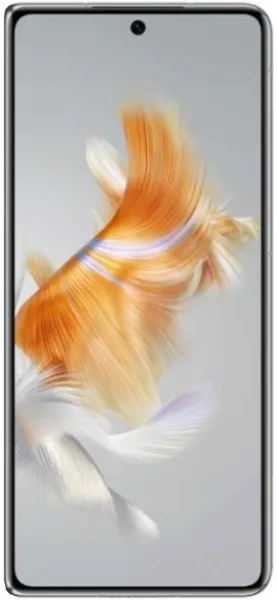
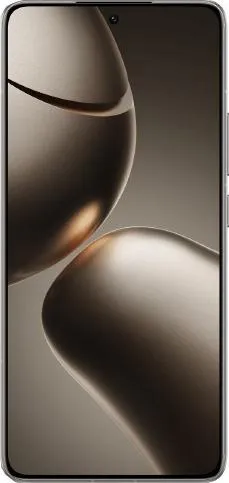
1. Specifications Comparison
| Feature | Huawei Mate X3 | Xiaomi 14T Pro | Practical Impact |
|---|---|---|---|
| Design | |||
| Dimensions (mm) | 156.9 x 141.5 x 5.3 (folded) | 160.4 x 75.1 x 8.4 | Mate X3 significantly thinner and lighter when folded, but larger unfolded. 14T Pro more pocketable in daily use. |
| Weight (g) | 239 | 209 | Mate X3 surprisingly light for a foldable, but 14T Pro still lighter. |
| Foldable | Yes | No | Mate X3 offers a larger screen real estate for multitasking and media consumption but introduces potential durability concerns and higher cost. |
| Display | |||
| Display Size (inches) | 7.85 (unfolded), ~6.4" (folded) | 6.67 | Mate X3 provides a tablet-like experience when unfolded. 14T Pro has a large, standard smartphone display. |
| Resolution (px) | 2224 x 2496 (unfolded), 1080 x 2504 (cover) | 1220 x 2712 | Both offer sharp displays; Mate X3's unfolded screen provides more overall pixels. |
| Refresh Rate (Hz) | 120 | 144 | 14T Pro offers smoother scrolling and animations, especially noticeable in gaming. |
| Display Type | Foldable OLED | AMOLED | Both offer vibrant colors and deep blacks. 14T Pro boasts higher peak brightness (4000 nits) for better outdoor visibility. Dolby Vision and HDR10+ on the 14T Pro provide superior dynamic range and color accuracy in supported content. |
| Performance | |||
| Chipset | Snapdragon 8+ Gen 1 4G (4nm) | Dimensity 9300+ (4nm) | Both are high-end chipsets from 2023/2024. Dimensity 9300+ expected to offer slightly better performance based on benchmarks and newer architecture. Lack of 5G on Mate X3 is a major drawback for future-proofing. |
| CPU | Octa-core (3.19 GHz X2...) | Octa-core (3.4 GHz X4...) | Dimensity 9300+ likely offers a performance advantage due to newer core architecture and higher clock speeds. |
| GPU | Adreno 730 | Immortalis-G720 MC12 | Immortalis-G720 MC12 should provide improved graphics performance compared to the Adreno 730. |
| RAM | 12GB | 12GB | Both phones offer ample RAM for multitasking. |
| Camera | |||
| Main Camera (MP) | 50 MP (Sony IMX766) | 50 MP (Omnivision OVX9000) | Both feature high-resolution sensors. OVX9000 has a larger sensor size (1/1.31") and wider aperture (f/1.6) potentially capturing more light in low-light conditions. |
| Telephoto | Yes (16MP, 5x Optical Zoom) | Yes (50MP, details not available on zoom capabilities) | Both have telephoto lenses. Detailed comparison limited by lack of specific zoom information for the 14T Pro. |
| Video | Up to 4K@60fps | Up to 8K@30fps | 14T Pro offers higher resolution video recording. |
| Battery | |||
| Capacity (mAh) | 4800 | 5000 | 14T Pro has a slightly larger battery capacity, potentially leading to longer battery life. |
| Other | |||
| Price Range | High | Medium | Significant price difference; 14T Pro offers better value for its performance. |
| OS | Not specified | Android 14 | Lack of OS information for Mate X3 hinders comparison. Android 14 on 14T Pro guarantees latest features and security updates. |
| Connectivity | 4G | 5G | Lack of 5G on the Mate X3 is a major disadvantage. |
2. Key Differences Analysis
Huawei Mate X3 Advantages:
- Foldable Design: Offers a larger screen for multitasking and media consumption.
- Thinner and Lighter (folded): More compact when folded than traditional smartphones.
Xiaomi 14T Pro Advantages:
- Superior Performance: Newer, more powerful chipset and GPU.
- Higher Refresh Rate Display: Smoother visuals for gaming and everyday use.
- Brighter Display with Dolby Vision and HDR10+: Better outdoor visibility and improved image quality.
- Lower Price: Significantly more affordable.
- 5G Connectivity: Future-proofed for faster mobile data speeds.
- 8K Video Recording: Higher resolution video capture.
- Latest Android Version: Access to newest features and security updates.
3. User Profiles & Recommendations
Huawei Mate X3: Users who prioritize a large, foldable screen for productivity and media consumption and are willing to pay a premium. Suitable for professionals who need a portable "tablet" and value the unique form factor.
Xiaomi 14T Pro: Users who seek a high-performance smartphone with a great display, camera, and battery life at a competitive price. Suitable for gamers, photography enthusiasts, and general users who value speed, visuals, and affordability.
4. Decision Framework
Key Questions for Buyers:
- Is a foldable screen a must-have? If yes, the Mate X3 is the only option.
- What is your budget? The 14T Pro offers significantly better value for its price.
- What are your primary use cases? Consider whether you prioritize productivity and portability (Mate X3) or performance, media consumption, and gaming (14T Pro).
Scenario-Based Recommendations:
- Limited Budget: Xiaomi 14T Pro.
- Prioritize Latest Technology and Future-Proofing: Xiaomi 14T Pro.
- Need a Large Screen for Productivity: Huawei Mate X3.
- Value Compactness and Portability When Folded: Huawei Mate X3.
My Choice: Xiaomi 14T Pro
While the foldable design of the Mate X3 is intriguing, the Xiaomi 14T Pro offers a more compelling overall package for my needs. The significantly lower price, combined with the superior performance, brighter display with HDR10+ and Dolby Vision, longer battery life, 5G connectivity, and the latest Android OS make it a clear winner. The lack of 5G and unspecified OS on the Mate X3 are major drawbacks. Unless foldability is an absolute requirement, the 14T Pro provides a better combination of performance, features, and value.
