1. Specifications Comparison
| Feature | Huawei Mate X3 | Xiaomi 14 Ultra | Practical Impact |
|---|---|---|---|
| Design | |||
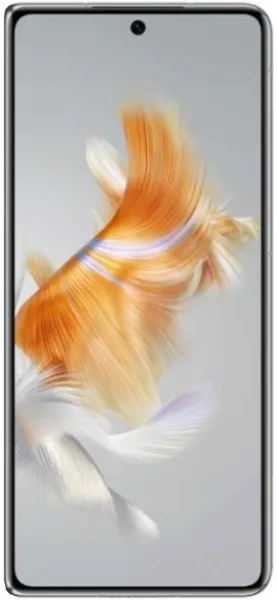
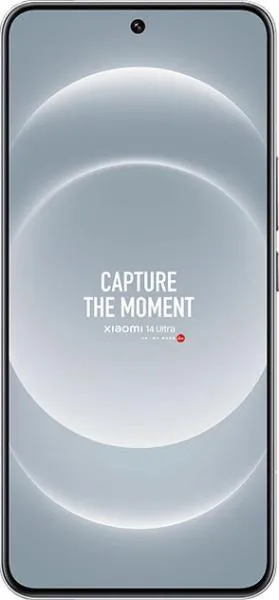
| Dimensions (mm) | 156.9 x 141.5 x 5.3 (folded) | 161.4 x 75.3 x 9.2 | Mate X3 significantly thinner and potentially more pocketable when folded, but wider unfolded. Xiaomi 14 Ultra is a more traditional candybar design. |
| Weight (g) | 239 | 229.5 | Negligible weight difference in practical usage. |
| Foldable | Yes | No | Mate X3 offers a larger screen real estate and multitasking capabilities when unfolded. Xiaomi 14 Ultra offers a more robust, traditional form factor. |
| Display | |||
| Size (inches) | 7.85 (unfolded) / 6.4 (folded) | 6.73 | Mate X3 provides a significantly larger screen when unfolded for enhanced productivity and media consumption. |
| Resolution (px) | 2224 x 2496 (unfolded) / 1080 x 2504 (folded) | 1440 x 3200 | Xiaomi 14 Ultra has a sharper display on paper (higher pixel density), but the Mate X3's larger unfolded screen offers more overall viewing area. |
| Type | Foldable OLED, 120Hz | LTPO AMOLED, 120Hz, Dolby Vision, HDR10+ | Both offer smooth refresh rates. Xiaomi 14 Ultra supports HDR10+ and Dolby Vision for superior dynamic range and color accuracy in compatible content. Missing HDR specs for Mate X3 limit a full comparison. |
| Peak Brightness (nits) | Not specified | 3000 | Xiaomi 14 Ultra's much higher peak brightness ensures better visibility in direct sunlight. Lack of data for the Mate X3 prevents a complete comparison. |
| Performance | |||
| Chipset | Snapdragon 8+ Gen 1 4G (4 nm) | Snapdragon 8 Gen 3 (4 nm) | Xiaomi 14 Ultra features a newer generation chipset, likely resulting in noticeably faster performance, improved efficiency, and better AI processing. |
| CPU | Octa-core (up to 3.19 GHz) | Octa-core (up to 3.3 GHz) | Xiaomi 14 Ultra's slightly faster CPU clock speed contributes to its overall performance advantage. |
| GPU | Adreno 730 | Adreno 750 | Xiaomi 14 Ultra has a more powerful GPU, translating to smoother gaming and faster graphics rendering. |
| RAM | 12GB (in the analyzed variant) | 16GB (in the analyzed variant) | Xiaomi 14 Ultra offers more RAM, enabling better multitasking and smoother performance with demanding applications. |
| Camera | |||
| Main Camera | 50MP, f/1.8 | 50MP, f/1.63, 1-inch sensor | Xiaomi 14 Ultra boasts a larger sensor size, potentially capturing more light and detail, especially in low-light conditions. The wider aperture also contributes to better low-light performance. |
| Zoom | 5x Optical, 20x Hybrid, 100x Digital | 3.2x/5x Optical, Digital zoom not specified | Both offer optical zoom. Specific details about Xiaomi 14 Ultra's digital zoom capabilities are missing. Huawei offers higher hybrid zoom. |
| Video | Up to 4K@60fps with EIS | Up to 8K@30fps with HDR, EIS | Xiaomi 14 Ultra supports higher resolution video recording (8K) and HDR video for richer visuals. |
| Battery | |||
| Capacity (mAh) | 4800 | 5000 | Xiaomi 14 Ultra has a slightly larger battery capacity, potentially offering longer battery life. Real-world usage will vary. |
2. Key Differences Analysis
Huawei Mate X3 Advantages:
- Larger, Foldable Screen: Offers a unique user experience with expanded screen real estate for multitasking and media consumption.
- Thinner and Lighter (when folded): More compact and pocketable in its folded state.
Xiaomi 14 Ultra Advantages:
- Superior Performance: Newer generation chipset and GPU provide faster processing speeds and smoother graphics.
- Advanced Camera System: Larger sensor size, wider aperture, and 8K video recording capabilities.
- Larger Battery: Potentially longer battery life.
- Brighter Display with HDR: Better visibility in sunlight and improved dynamic range in supported content.
- 5G Connectivity: Offers faster mobile data speeds compared to the Mate X3's 4G.
3. User Profiles & Recommendations
Huawei Mate X3: Ideal for users who prioritize portability and a large screen for productivity and entertainment on the go. Suitable for those who value the novelty and flexibility of a foldable device.
Xiaomi 14 Ultra: Best suited for users who demand top-tier performance, a cutting-edge camera system, and the latest mobile technologies. Ideal for power users, mobile gamers, and photography enthusiasts.
4. Decision Framework
Key Questions for Buyers:
- Form Factor: Do you prioritize the larger, foldable screen experience or a traditional smartphone design?
- Performance: Is top-tier processing power and gaming performance crucial, or is a good level of performance sufficient?
- Camera: Is having the best possible camera system a priority, or are you satisfied with a capable camera?
Scenario-Based Recommendations:
- Frequent Traveler: Mate X3's foldable design could be beneficial for entertainment and productivity on the go.
- Mobile Gamer/Power User: Xiaomi 14 Ultra's superior performance is essential for demanding applications and games.
- Photography Enthusiast: Xiaomi 14 Ultra's advanced camera system provides significant advantages.
My Choice: Xiaomi 14 Ultra
While the Huawei Mate X3's foldable design is intriguing, the Xiaomi 14 Ultra offers a more compelling overall package for my needs. Its superior performance, driven by the Snapdragon 8 Gen 3 and Adreno 750, ensures a smooth and responsive user experience. The advanced camera system, with its large 1-inch sensor and 8K video recording, is a significant advantage for capturing high-quality photos and videos. The brighter display with HDR support, larger battery, and 5G connectivity further solidify its position as the more well-rounded device. While I acknowledge the Mate X3's unique form factor appeal for specific use cases, the Xiaomi 14 Ultra's performance and camera capabilities are more aligned with my personal priorities.
