1. Specifications Comparison
| Feature | Huawei Mate X3 | Xiaomi 13T Pro | Practical Impact |
|---|---|---|---|
| Design | |||
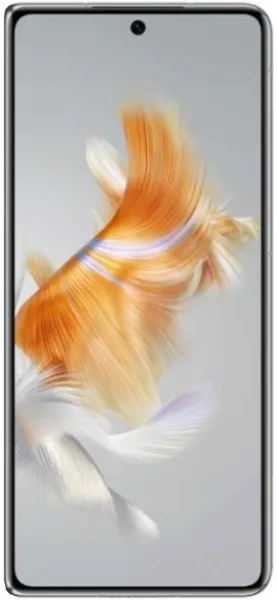
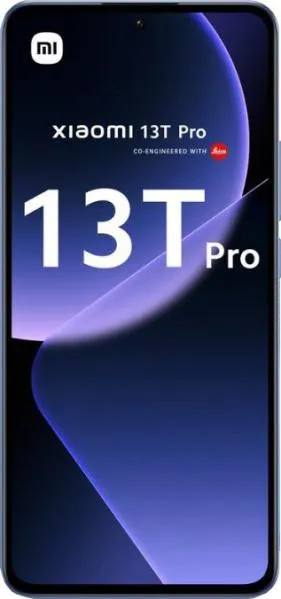
| Form Factor | Foldable | Standard | Mate X3 offers larger screen real estate when unfolded, compact when folded; 13T Pro is a traditional slab phone. |
| Dimensions (mm) | 156.9 x 141.5 x 5.3 (folded) | 162.2 x 75.7 x 8.5 | Mate X3 significantly thinner when folded, potentially more pocketable; 13T Pro likely feels more robust when unfolded. |
| Weight (g) | 239 | 200 | Mate X3 heavier despite thinness, potentially due to hinge mechanism; 13T Pro lighter for one-handed use. |
| Display | |||
| Size (inches) | 7.85 (unfolded), ~6.4 (outer) | 6.67 | Mate X3 provides tablet-like experience when unfolded; 13T Pro offers a large, standard display. |
| Resolution (px) | 2224 x 2496 (unfolded) | 1220 x 2712 | Both offer sharp displays; Mate X3's unfolded resolution benefits multitasking and media consumption. |
| Refresh Rate (Hz) | 120 | 144 | 13T Pro offers smoother scrolling and animations, beneficial for gaming and fast-paced content; Mate X3's 120Hz is still very smooth. |
| Display Type | Foldable OLED | AMOLED | Mate X3's folding capability introduces a crease; 13T Pro's display is more traditional and potentially more durable. |
| Peak Brightness(nits) | Not specified | 2600 | 13T Pro's superior peak brightness ensures better outdoor visibility. Missing data for Mate X3 limits comparison. |
| Performance | |||
| Chipset | Snapdragon 8+ Gen 1 4G | Dimensity 9200+ | Both are high-end chipsets from 2023; Dimensity 9200+ generally benchmarks slightly higher in some areas. |
| CPU | Octa-core (up to 3.19 GHz) | Octa-core (up to 3.35 GHz) | Both offer excellent performance; differences likely negligible in everyday use. |
| GPU | Adreno 730 | Immortalis-G715 MC11 | Immortalis-G715 MC11 generally benchmarks higher offering a potential advantage in demanding games. |
| RAM (GB) | 8/12 | 12/16 | Both offer ample RAM; 13T Pro's higher RAM options provide better multitasking and future-proofing. |
| Camera | |||
| Main Camera (MP) | 50 | 50 | Comparable resolution; sensor size and other factors determine image quality, further analysis needed using sample photos. |
| Telephoto | Yes (5x optical zoom) | Yes (2x optical zoom, achieved through a portrait lens according to the data) | Mate X3 offers superior optical zoom range for distant subjects. |
| Ultrawide | Yes | Yes | Both offer ultrawide capabilities; lens quality and field of view need further comparison. |
| Video | Up to 4K@60fps | Up to 8K@24fps | 13T Pro boasts higher resolution video recording; Mate X3's EIS might offer better stabilization. Practical differences depend on user needs (e.g. professional video vs. casual recording). |
| Battery | |||
| Capacity (mAh) | 4800 | 5000 | 13T Pro boasts a slightly larger battery, potentially leading to longer battery life. Real-world usage varies. |
2. Key Differences Analysis
Huawei Mate X3 Advantages:
- Foldable Design: The unique selling point, offering a larger screen in a pocketable device. Great for multitasking, media consumption, and unique user experiences.
- Superior Optical Zoom: 5x optical zoom surpasses the 13T Pro, providing better detail in zoomed-in shots.
Xiaomi 13T Pro Advantages:
- Higher Refresh Rate Display: Smoother and more responsive, especially noticeable in gaming and scrolling.
- Larger Battery: Potentially longer battery life, reducing the need for frequent charging.
- Lower Price: Significantly more affordable, offering excellent value for its specifications.
- 5G Connectivity: Offers faster mobile data speeds and improved network connectivity compared to the Mate X3's 4G. This is a major advantage in areas with 5G coverage.
- More readily available: Huawei products face restrictions in certain markets, making the Xiaomi potentially easier to acquire.
3. User Profiles & Recommendations
Huawei Mate X3: Users who prioritize portability and a large screen experience, willing to pay a premium for the foldable form factor. Ideal for productivity on the go, immersive media consumption, and those seeking a unique device. Less ideal for users in markets without widespread 4G availability.
Xiaomi 13T Pro: Users seeking a high-performance phone with excellent features at a competitive price. Ideal for gamers, power users, photography enthusiasts, and those prioritizing value for money.
4. Decision Framework
Key Questions for Buyers:
- Form Factor Priority: Is a foldable design with its larger screen and portability benefits worth the premium price and potential durability concerns?
- Budget: How much are you willing to spend? The Xiaomi 13T Pro offers significantly better value in terms of raw specifications per dollar.
- Connectivity Needs: Do you require 5G connectivity? This is a significant advantage for the Xiaomi 13T Pro.
My Choice: Xiaomi 13T Pro
While the Mate X3's foldable design is intriguing, the Xiaomi 13T Pro offers a more compelling package for my needs. Its superior value, 5G connectivity, excellent performance, high refresh rate display, and larger battery outweigh the Mate X3's folding capability. The price difference is substantial, and the 13T Pro delivers a flagship experience without the significant premium. The lack of 5G in the Mate X3 is a deal breaker for me as I live in an area with good 5G coverage. Unless the foldable form factor is an absolute necessity, the 13T Pro represents a more practical and powerful choice.
