1. Specifications Comparison
| Feature | Huawei Mate X3 | Xiaomi 13T | Practical Impact |
|---|---|---|---|
| Design | |||
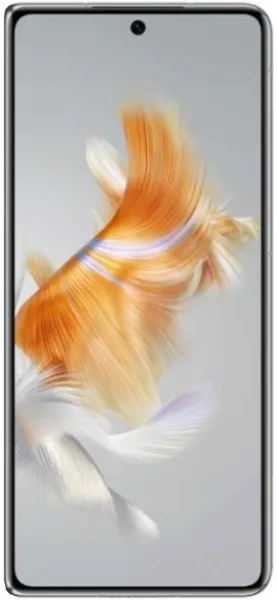
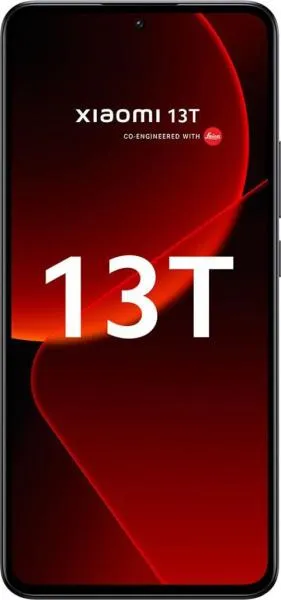
| Dimensions (mm) | 156.9 x 141.5 x 5.3 (folded) | 162.2 x 75.7 x 8.5 | Mate X3 significantly thinner and slightly shorter when folded, but wider; 13T is a traditional candybar design. X3's foldability offers portability but potential durability concerns. |
| Weight (g) | 239 | 193 | Mate X3 noticeably heavier; impacts one-handed use and pocket comfort. |
| Foldable | Yes | No | Mate X3 offers a larger screen in a smaller form factor when folded, enabling multitasking and immersive content consumption. |
| Display | |||
| Size (inches) | 7.85 (unfolded) | 6.67 | Mate X3 provides a significantly larger screen area for multitasking and media; 13T offers a more standard size for one-handed use. |
| Resolution (px) | 2224 x 2496 | 1220 x 2712 | Both offer sharp displays; Mate X3's unfolded resolution is higher overall, benefiting media consumption. |
| Refresh Rate (Hz) | 120 | 144 | 13T offers smoother scrolling and animations, especially beneficial for gaming. |
| Display Type | Foldable OLED | AMOLED | Both offer vibrant colors and deep blacks. Mate X3's foldable screen introduces a crease and potential durability concerns. |
| Peak Brightness (nits) | Not specified | 2600 | Missing peak brightness for Mate X3 prevents comparison. 13T's high brightness ensures outdoor visibility. |
| Performance | |||
| Chipset | Snapdragon 8+ Gen 1 4G | Dimensity 8200 Ultra | Both are high-performance chipsets, though benchmarks would be needed to compare directly. |
| CPU | Octa-core (1x3.19 GHz Cortex-X2 & 3x2.75 GHz Cortex-A710 & 4x2.0 GHz Cortex-A510) | Octa-core (1x3.1 GHz Cortex-A78 & 3x3.0 GHz Cortex-A78 & 4x2.0 GHz Cortex-A55) | Slight architectural differences; real-world performance differences likely minimal for average users. |
| GPU | Adreno 730 | Mali-G610 MC6 | Different GPU architectures; gaming performance comparison requires benchmarks. |
| RAM (GB) | 8/12 | 8/12 | Both offer ample RAM for multitasking; 12GB option provides future-proofing. |
| Camera | |||
| Main Camera (MP) | 50 | 50 | Comparable resolution; sensor size and other factors (aperture, processing) will determine image quality. |
| Telephoto (MP) | 16 | 50 | 13T offers a much higher resolution telephoto lens for superior zoom capabilities. |
| Ultrawide (MP) | 12 | 13 | Similar ultrawide capabilities. |
| Video | 4K@60fps with EIS | 4K@30fps with HDR, EIS | 13T offers HDR video recording, but Mate X3 supports higher frame rates. |
| Battery | |||
| Capacity (mAh) | 4800 | 5000 | 13T offers a slightly larger battery capacity, potentially translating to longer battery life. |
| Other | |||
| Price Range | High | Medium | Significant price difference; Mate X3 is considerably more expensive. |
| OS | Not specified | Android 13 | Missing OS details for Mate X3 hinders comparison. |
| 5G | No | Yes | 13T supports faster 5G cellular data speeds. Mate X3's lack of 5G is a significant disadvantage. |
2. Key Differences Analysis
Huawei Mate X3 Advantages:
- Foldable Design: Offers a large screen in a compact form factor.
- Higher Resolution Display: Provides a more detailed viewing experience when unfolded.
Xiaomi 13T Advantages:
- Higher Refresh Rate: Smoother scrolling and more responsive gaming experience.
- Larger Battery: Potentially longer battery life.
- 5G Connectivity: Faster data speeds and future-proofing.
- Lower Price: Significantly more affordable.
- HDR Video Recording: Improved dynamic range in videos.
- Higher Resolution Telephoto: Better zoom capabilities.
3. User Profiles & Recommendations
Huawei Mate X3: Users who prioritize portability and a large screen for multitasking and media consumption, and are willing to pay a premium for the foldable form factor. Ideal for frequent travelers, content creators, and those who value a unique device.
Xiaomi 13T: Users who seek a well-rounded, high-performance smartphone at a more affordable price. Ideal for gamers, multimedia enthusiasts, and those who prioritize 5G connectivity and battery life.
4. Decision Framework
Key Questions:
- Is a foldable design a top priority? If yes, the Mate X3 is the only option.
- What is your budget? The Mate X3 is significantly more expensive.
- Is 5G connectivity essential? The Xiaomi 13T offers 5G, while the Mate X3 does not.
Scenario-Based Recommendations:
- Limited Budget, Need 5G: Xiaomi 13T
- Prioritize Large Screen and Portability, Budget Not a Constraint: Huawei Mate X3
- Gamer on a Budget: Xiaomi 13T
My Choice: Xiaomi 13T
While the Huawei Mate X3's foldable design is intriguing, the Xiaomi 13T offers a more compelling overall package for my needs. The significantly lower price, 5G connectivity, larger battery, higher refresh rate display, and superior telephoto lens make it a more practical and versatile device. The lack of 5G and the much higher price of the Mate X3 are significant drawbacks. I value performance, future-proofing, and overall value, making the Xiaomi 13T the clear winner for me. The foldable screen, while impressive, doesn't outweigh the 13T's advantages in my personal use case.
