1. Specifications Comparison
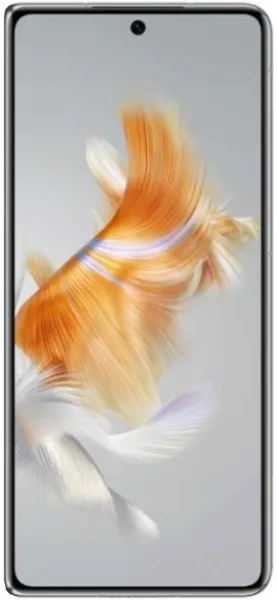
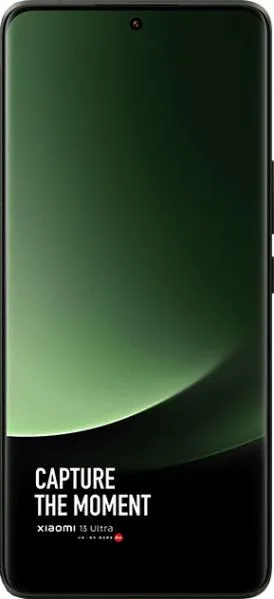
| Feature | Huawei Mate X3 | Xiaomi 13 Ultra | Practical Impact |
|---|---|---|---|
| Design | |||
| Dimensions (mm) | 156.9 x 141.5 x 5.3 (folded) | 163.2 x 74.6 x 9.1 | Mate X3 significantly thinner and potentially more pocketable when folded, but larger unfolded. 13 Ultra more comfortable for one-handed use when unfolded. |
| Weight (g) | 239 | 227 | Negligible weight difference in real-world usage. |
| Foldable | Yes | No | Mate X3 offers a larger screen real estate for multitasking and media consumption when unfolded. 13 Ultra offers a more traditional smartphone experience. |
| Display | |||
| Size (inches) | 7.85 (unfolded), ~6.4" (outer) | 6.73 | Mate X3 provides a tablet-like experience when unfolded. Xiaomi 13 Ultra has a large, but standard smartphone screen size. |
| Resolution (px) | 2224 x 2496 (unfolded) | 1440 x 3200 | Both offer sharp displays, but Mate X3's unfolded screen provides more overall pixels. |
| Type | Foldable OLED, 120Hz | LTPO AMOLED, 120Hz | Both offer smooth scrolling and animations. LTPO on the 13 Ultra allows for dynamic refresh rate adjustment, potentially saving battery. Missing detailed specs on outer Mate X3 display limit comparison. |
| HDR | No HDR data | HDR10+, Dolby Vision | 13 Ultra offers superior HDR support for compatible content, resulting in better dynamic range and color accuracy. |
| Peak Brightness | No data | 2600 nits | 13 Ultra's significantly higher peak brightness ensures better visibility in direct sunlight. Missing data for Mate X3 prevents full comparison. |
| Performance | |||
| Chipset | Snapdragon 8+ Gen 1 4G | Snapdragon 8 Gen 2 | 8 Gen 2 in the 13 Ultra offers better performance and efficiency than the 8+ Gen 1. |
| CPU | Octa-core (up to 3.19 GHz) | Octa-core (up to 3.2 GHz) | Marginal difference in CPU clock speed; 8 Gen 2 architecture provides performance and efficiency improvements. |
| GPU | Adreno 730 | Adreno 740 | 13 Ultra's Adreno 740 provides better gaming and graphics performance. |
| RAM | 8GB/12GB | 12GB/16GB | More RAM options available for the 13 Ultra, with higher configurations benefiting multitasking and demanding applications. |
| Camera | |||
| Main Sensor | 50MP, Sony IMX766, 1/1.56" | 50MP, Sony IMX989, 1" | 13 Ultra's 1-inch sensor captures significantly more light, resulting in improved low-light performance and dynamic range. |
| Lenses | Triple Camera | Quad Camera | 13 Ultra offers a more versatile camera system with an additional telephoto lens and variable aperture. |
| Video | Up to 4K@60fps | Up to 8K@24fps | 13 Ultra supports higher resolution video recording. |
| Battery | |||
| Capacity (mAh) | 4800 | 5000 | 13 Ultra has a slightly larger battery capacity, potentially offering longer battery life. This needs real-world testing to confirm due to the differences in display technology and size. |
2. Key Differences Analysis
Huawei Mate X3 Advantages:
- Foldable Design: Offers a larger screen for multitasking and media consumption.
- Thinner and Lighter (folded): More pocketable than the 13 Ultra.
Xiaomi 13 Ultra Advantages:
- Superior Performance: Snapdragon 8 Gen 2 chip provides faster processing and better efficiency.
- Better Camera System: Larger main sensor, more versatile lens setup, and higher resolution video recording.
- Brighter Display with HDR: Enhanced visual experience with vibrant colors and better visibility outdoors.
- Larger Battery: Potentially longer battery life, though real-world usage will vary.
- 5G Connectivity: Mate X3 lacks 5G, a significant disadvantage in areas with 5G availability.
Trade-offs:
- Foldability vs. Durability: Mate X3's foldable design introduces potential durability concerns compared to the 13 Ultra's traditional form factor.
- Portability vs. One-handed Use: Mate X3 is more compact when folded but less comfortable for one-handed use when unfolded.
3. User Profiles & Recommendations
Huawei Mate X3: Users who prioritize a large, foldable screen for productivity and media consumption and are willing to compromise on performance and camera capabilities. Best for those who value portability and novelty over raw performance. Not recommended for users who require 5G connectivity.
Xiaomi 13 Ultra: Users who demand top-tier performance, a cutting-edge camera system, and a vibrant display. Ideal for mobile photographers, videographers, and gamers. Best for those who prioritize performance, camera quality, and future-proof features like 5G.
4. Decision Framework
Key Questions:
- Is a foldable screen a priority?
- How important are top-tier performance and camera quality?
- Do you need 5G connectivity?
Scenario-based Recommendations:
- Frequent traveler who consumes a lot of media: Mate X3 if portability and large screen are paramount; otherwise, the 13 Ultra for better overall performance and battery life.
- Mobile photographer/videographer: Xiaomi 13 Ultra for its superior camera system.
- Gamer who demands high performance: Xiaomi 13 Ultra.
My Choice: Xiaomi 13 Ultra
While the Mate X3's foldable design is intriguing, the Xiaomi 13 Ultra's superior performance, significantly better camera system, brighter display with HDR, larger battery, and critically the inclusion of 5G make it the clear winner for me. The lack of 5G on the Mate X3 is a major drawback in today's market. I prioritize performance, camera quality, and a future-proof device, making the 13 Ultra a better fit for my needs. The price difference, while substantial, reflects the 13 Ultra's advantages in key areas.
