
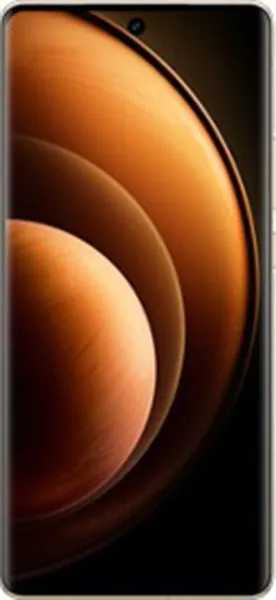
1. Specifications Comparison
| Feature | Huawei Mate X3 | vivo X100 Pro | Practical Impact |
|---|---|---|---|
| Design | |||
| Dimensions (mm) | 156.9 x 141.5 x 5.3 (folded) | 164.1 x 75.3 x 8.9 | Mate X3 significantly thinner and potentially more pocketable when folded, but wider unfolded. X100 Pro is a traditional slab design. |
| Weight (g) | 239 | 221 | X100 Pro slightly lighter, but the difference might be negligible in daily use. |
| Foldable | Yes | No | Mate X3 offers a larger screen for multitasking and media consumption when unfolded, but introduces a potential point of failure with the hinge. |
| Display | |||
| Size (inches) | 7.85 (unfolded), ~6.4 (folded - outer) | 6.78 | Mate X3 provides a substantially larger screen real estate when unfolded. |
| Resolution (px) | 2224 x 2496 (unfolded) | 1260 x 2800 | Comparable pixel density, resulting in sharp visuals on both devices. The Mate X3's unfolded screen offers more overall pixels for detail. |
| Type | Foldable OLED, 120Hz | LTPO AMOLED, 120Hz, HDR10+ | Both offer smooth scrolling and animations. X100 Pro's LTPO panel allows for dynamic refresh rate adjustment, potentially saving battery. HDR10+ on the X100 Pro offers better contrast and color accuracy in supported content. |
| Peak Brightness | Missing | 3000 nits | X100 Pro likely offers superior outdoor visibility. Missing data prevents comparison with the Mate X3. |
| Performance | |||
| Chipset | Snapdragon 8+ Gen 1 4G (4nm) | Dimensity 9300 (4nm) | Both are high-end chipsets, but Dimensity 9300 is newer. Performance differences likely minimal for average users, but benchmarks needed for definitive comparison. |
| CPU | Octa-core (1x3.19 GHz X2 & 3x2.75 GHz A710 & 4x2.0 GHz A510) | Octa-core (1x3.25 GHz X4 & 3x2.85 GHz X4 & 4x2.0 GHz A720) | Dimensity 9300 has a newer CPU architecture, potentially offering better efficiency and performance in demanding tasks. |
| GPU | Adreno 730 | Immortalis-G720 MC12 | Both GPUs are capable, but Immortalis-G720 is newer. Real-world gaming performance comparison requires further testing. |
| RAM | 12GB | 16GB | X100 Pro's larger RAM enables better multitasking and app switching, keeping more apps in memory. |
| Camera | |||
| Main Camera | 50MP, Sony IMX766 | 50MP, Sony IMX989 (1-inch sensor) | X100 Pro's larger sensor likely captures more light, resulting in better low-light performance and depth of field. |
| Telephoto | 16MP, 5x optical zoom | 50MP, OV64B, 4.3x optical zoom | X100 Pro has significantly higher resolution telephoto, though Mate X3 offers longer optical zoom. Image quality comparison requires real-world testing. |
| Battery | |||
| Capacity (mAh) | 4800 | 5400 | X100 Pro offers larger battery capacity, potentially translating to longer battery life. |
2. Key Differences Analysis
Huawei Mate X3 Advantages:
- Foldable Design: Offers a large screen for multitasking and media consumption.
- Thinner and More Compact (folded): Easier to carry in pockets.
vivo X100 Pro Advantages:
- Larger Battery: Potentially longer battery life.
- Newer Chipset and GPU: Potentially better performance and efficiency.
- Larger Main Camera Sensor: Likely superior low-light photography and depth of field.
- Higher Resolution Telephoto: More detail in zoomed images.
- 5G Connectivity: Faster mobile data speeds.
- Lower Price: Offers better value for money considering the specifications.
3. User Profiles & Recommendations
Huawei Mate X3: Users who prioritize portability and a large screen for productivity and media consumption on the go, and are willing to compromise on other aspects and the lack of 5G.
vivo X100 Pro: Users who prioritize camera quality, battery life, performance, and 5G connectivity in a traditional smartphone form factor. Excellent choice for photography enthusiasts.
4. Decision Framework
Key Questions for Buyers:
- Form Factor: Do you value a foldable design for its larger screen, or prefer a traditional smartphone?
- Camera: Is camera quality a top priority?
- Budget: Are you willing to pay a premium for the foldable design and the Huawei brand despite limitations?
My Choice: vivo X100 Pro
While the Mate X3's foldable design is innovative, the vivo X100 Pro offers a more well-rounded package for my needs. Its superior camera system with a 1-inch sensor, larger battery, newer processor, 5G connectivity, and lower price make it a more compelling device. The lack of 5G in the Mate X3 is a significant drawback in 2024. While I appreciate the larger screen of the Mate X3 when unfolded, I prioritize performance, camera quality, and battery life in a smartphone, which the X100 Pro delivers without the potential durability concerns of a foldable device. The significant price difference further solidifies the X100 Pro as the better value proposition.
