
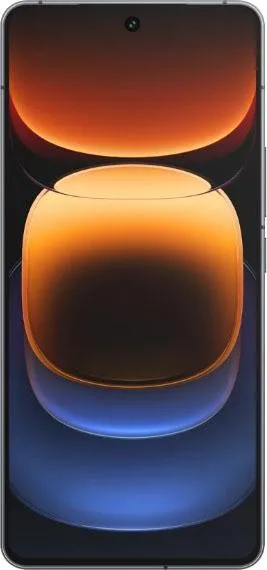
1. Specifications Comparison
| Feature | Huawei Mate X3 | vivo iQOO 12 | Practical Impact |
|---|---|---|---|
| Design | |||
| Form Factor | Foldable | Standard | Mate X3 offers larger screen real estate when unfolded, more compact when folded. iQOO 12 is a traditional slab phone. |
| Dimensions (mm) | 156.9 x 141.5 x 5.3 (unfolded) | 163.2 x 75.9 x 8.1 | Mate X3 is thinner and potentially more pocketable when folded, but wider when unfolded. iQOO 12 is thicker but narrower overall. |
| Weight (g) | 239 | 198.5 | iQOO 12 is noticeably lighter for one-handed use. |
| Display | |||
| Size (inches) | 7.85 (unfolded) | 6.78 | Mate X3's unfolded screen offers a tablet-like experience. iQOO 12 has a large but standard display. |
| Resolution (px) | 2224 x 2496 | 1260 x 2800 | Both offer sharp displays, but Mate X3's higher resolution on the larger unfolded screen provides more detail. |
| Refresh Rate (Hz) | 120 | 144 | iQOO 12's higher refresh rate results in smoother scrolling and animations, especially noticeable in gaming. |
| Display Type | Foldable OLED | LTPO AMOLED | iQOO 12's LTPO panel allows for dynamic refresh rate adjustment, potentially saving battery. |
| Peak Brightness (nits) | Not specified | 3000 | iQOO 12's much higher peak brightness ensures better visibility in direct sunlight. Missing peak brightness for Mate X3 limits comparison. |
| Performance | |||
| Chipset | Snapdragon 8+ Gen 1 4G | Snapdragon 8 Gen 3 | iQOO 12 features a newer, more powerful and efficient chipset, leading to better performance and potentially longer battery life. |
| CPU | Octa-core (up to 3.19 GHz) | Octa-core (up to 3.3 GHz) | iQOO 12's CPU offers slightly higher clock speeds, translating to faster processing. |
| GPU | Adreno 730 | Adreno 750 | iQOO 12 has a more powerful GPU, beneficial for demanding games and graphics-intensive tasks. |
| RAM | 12GB (in the specified version) | 16GB (in the specified version) | iQOO 12 offers more RAM in the specified configurations, allowing for better multitasking and smoother performance. |
| Camera | |||
| Main Camera (MP) | 50 | 50 | Comparable resolution, but sensor details and image processing will determine real-world differences. |
| Telephoto (MP) | 16 | 64 | iQOO 12 boasts a significantly higher resolution telephoto lens, enabling better zoom capabilities. |
| Ultrawide (MP) | 12 | 50 | iQOO 12's ultrawide offers much higher resolution, capturing more detail in wide shots. |
| Video | Up to 4K@60fps with EIS | Up to 8K@30fps with EIS | iQOO 12 can record in higher resolution (8K), though 4K is sufficient for most users. |
| Battery | |||
| Capacity (mAh) | 4800 | 5000 | iQOO 12 has a slightly larger battery capacity, potentially offering longer battery life. This is somewhat offset by its more demanding display. |
| Other | |||
| OS | Not specified | Android 14 | Lack of OS information for the Mate X3 hinders comparison. |
| Price Range | High | Medium | iQOO 12 offers significantly better value for its performance and features. |
| Connectivity | 4G | 5G | iQOO 12 offers 5G connectivity for faster data speeds. Mate X3 is limited to 4G. |
2. Key Differences Analysis
Huawei Mate X3 Advantages:
- Foldable Design: Offers a unique, flexible form factor with a larger screen when unfolded and a compact size when folded.
- High Resolution Display: Provides incredibly sharp visuals on the unfolded screen.
vivo iQOO 12 Advantages:
- Superior Performance: Newer, more powerful chipset, CPU, and GPU for smoother and faster overall performance.
- Better Value: Offers flagship-level specifications at a mid-range price.
- 5G Connectivity: Future-proofed with faster data speeds.
- Brighter Display: Significantly brighter display for improved outdoor visibility.
- Larger Battery: Potentially longer battery life.
3. User Profiles & Recommendations
Huawei Mate X3: Users who prioritize portability and a large screen experience and are willing to pay a premium for the foldable form factor. Ideal for multitasking, media consumption, and productivity on the go.
vivo iQOO 12: Users who value performance, gaming, and the latest technology at a competitive price. Ideal for mobile gamers, power users, and those seeking a future-proof device with 5G.
4. Decision Framework
Key Questions for Buyers:
- Form Factor Preference: Do you prioritize a foldable design for portability and screen real estate or a traditional slab phone?
- Performance Needs: How important is processing power and gaming performance?
- Budget: Are you willing to pay a premium for the foldable technology and potentially compromise on other features, or do you seek the best value for your money?
Scenario-Based Recommendations:
- Frequent Traveler: Mate X3's foldable design might be appealing for its compact size and larger screen for entertainment during travel.
- Mobile Gamer: iQOO 12's superior performance and higher refresh rate display are ideal for a smooth and responsive gaming experience.
- Budget-Conscious User: iQOO 12 offers excellent value for its price, providing flagship-level performance without the premium cost.
My Choice: vivo iQOO 12
While the Mate X3's foldable design is intriguing, the vivo iQOO 12 offers a more compelling overall package for my needs. The significantly improved performance with the Snapdragon 8 Gen 3, brighter display, larger battery, 5G connectivity, and significantly lower price make it a clear winner. I value performance, future-proofing, and value for money, which the iQOO 12 delivers convincingly. The lack of key information like OS details and display brightness for the Mate X3 further solidifies my choice. While the foldable form factor is innovative, the practical advantages of the iQOO 12 outweigh the novelty factor for me.
