1. Specifications Comparison
| Feature | Huawei Mate X3 | Tecno Pova 6 Pro | Practical Impact |
|---|---|---|---|
| Design | |||
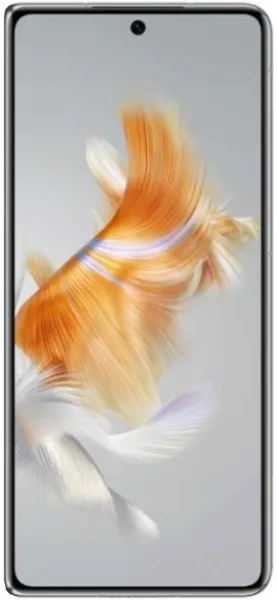
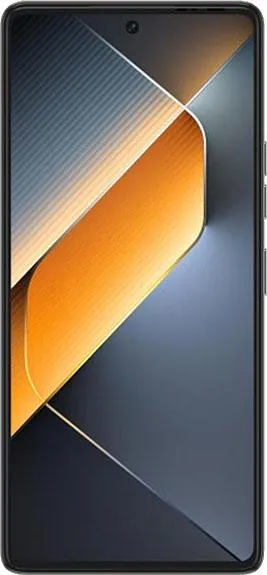
| Dimensions (mm) | 156.9 x 141.5 x 5.3 (folded) | 165.5 x 76.1 x 7.9 | Mate X3 significantly more compact when folded, Pova 6 Pro thinner when unfolded. Impacts pocketability and one-handed use. |
| Weight (g) | 239 | 198 | Pova 6 Pro noticeably lighter, reducing hand fatigue during extended use. |
| Foldable | Yes | No | Mate X3 offers a larger screen in a smaller form factor, Pova 6 Pro is a traditional slab phone. Huge impact on portability and multitasking. |
| Display | |||
| Size (inches) | 7.85 (unfolded), ~6.4 (folded) | 6.78 | Mate X3 provides a tablet-like experience when unfolded, surpassing Pova 6 Pro for productivity and media consumption. |
| Resolution (px) | 2224 x 2496 | 1080 x 2436 | Mate X3 has a much sharper display due to higher resolution and pixel density, resulting in crisper text and images. |
| Type | Foldable OLED, 120Hz | AMOLED, 120Hz | Both offer smooth scrolling and animations thanks to 120Hz. OLED provides vibrant colors and deep blacks. |
| Peak Brightness (nits) | Not specified | 1300 | Pova 6 Pro's higher peak brightness ensures better outdoor visibility. Missing data for Mate X3 limits comparison. |
| Performance | |||
| Chipset | Snapdragon 8+ Gen 1 4G (4nm) | Dimensity 6080 (6nm) | Mate X3 boasts a significantly more powerful processor, enabling smoother multitasking, faster app loading, and better gaming performance. |
| CPU | Octa-core (1x3.19 GHz X2 & 3x2.75 GHz A710 & 4x2.0 GHz A510) | Octa-core (2x2.4 GHz A76 & 6x2.0 GHz A55) | Mate X3's superior CPU architecture and clock speeds translate to a noticeable performance advantage in demanding tasks. |
| GPU | Adreno 730 | Mali-G57 MC2 | Mate X3's Adreno 730 provides a substantial advantage in graphics performance, crucial for gaming and visually intensive applications. |
| RAM | 8GB/12GB | 6GB/12GB | Both offer ample RAM, but 12GB options provide smoother multitasking for power users. |
| Camera | |||
| Main Camera | 50MP (Sony IMX766) | 108MP | While Pova 6 Pro has higher resolution, sensor size and other factors influence image quality. Mate X3 uses a well-regarded sensor. Direct image quality comparison is impossible without real-world samples. |
| Telephoto | Yes (5x optical zoom) | No dedicated telephoto | Mate X3 offers optical zoom for better quality zoomed images, Pova 6 Pro relies on digital zoom. |
| Video | 4K@60fps with EIS | 1440p@30fps | Mate X3 offers higher resolution and frame rate video recording, resulting in smoother and more detailed footage. |
| Battery | |||
| Capacity (mAh) | 4800 | 6000 | Pova 6 Pro boasts significantly longer battery life due to larger capacity. Foldable design often impacts battery life. |
2. Key Differences Analysis
Huawei Mate X3 Advantages:
- Superior Performance: Significantly faster processor and GPU for demanding tasks and gaming.
- Foldable Design: Offers a large screen in a compact form factor, enhancing productivity and media consumption.
- Sharper Display: Higher resolution and pixel density deliver a crisper visual experience.
- Optical Zoom: Provides better quality zoomed images compared to digital zoom.
- Higher Quality Video Recording: Captures more detailed and smoother footage.
Tecno Pova 6 Pro Advantages:
- Longer Battery Life: Larger battery capacity ensures extended usage without frequent charging.
- Lower Price: Significantly more affordable, offering good value for its specifications.
- 5G Connectivity: Supports faster mobile data speeds where available. Mate X3 is limited to 4G.
- Brighter Display: Better visibility in direct sunlight.
3. User Profiles & Recommendations
Huawei Mate X3: Ideal for users who prioritize performance, portability, a large screen for productivity and media, and are willing to pay a premium for a cutting-edge foldable device. Suitable for professionals, content creators, and power users.
Tecno Pova 6 Pro: Suitable for budget-conscious users who prioritize battery life, a large display, and 5G connectivity. Good for casual users, students, and those seeking an affordable option with decent performance.
4. Decision Framework
Key Questions for Buyers:
- Budget: How much are you willing to spend?
- Priorities: Do you prioritize performance, portability, battery life, or affordability?
- Use Cases: Will you primarily use the phone for productivity, media consumption, gaming, or basic communication?
Scenario-Based Recommendations:
- Limited Budget, Long Battery Life: Tecno Pova 6 Pro
- Power User, Multitasking Focus: Huawei Mate X3
- Frequent Traveler, Compact Device: Huawei Mate X3
- Casual User, Value for Money: Tecno Pova 6 Pro
My Choice: Huawei Mate X3
While the Tecno Pova 6 Pro offers excellent value, I would choose the Huawei Mate X3. The foldable design is a game-changer for productivity and portability. The superior performance, sharper display, and optical zoom capabilities outweigh the Pova 6 Pro's advantages in battery life and price for my personal needs. I value the versatility and premium experience offered by the Mate X3, and I am willing to pay the premium for it. The lack of 5G in the Mate X3 is a drawback, but 4G speeds are sufficient for most of my current usage. Ultimately, the innovative form factor and high-end performance of the Mate X3 make it the more compelling device for me.
