1. Specifications Comparison
| Feature | Huawei Mate X3 | Sony Xperia 1 V | Practical Impact |
|---|---|---|---|
| Design | |||
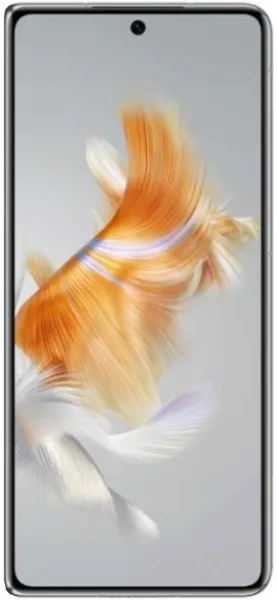
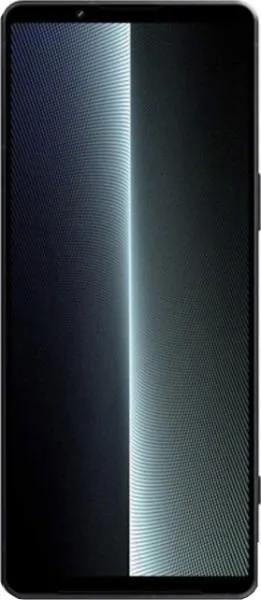
| Form Factor | Foldable | Standard | Mate X3 offers larger screen real estate when unfolded, more compact when folded. Xperia 1 V is a traditional slab design, pocketable but with a smaller screen. |
| Dimensions (mm) | 156.9 x 141.5 x 5.3 (unfolded), varies when folded | 165 x 71 x 8.3 | Mate X3 is significantly thinner when unfolded but potentially thicker when folded. Xperia 1 V offers a consistently slim profile. |
| Weight (g) | 239 | 187 | Xperia 1 V is noticeably lighter for everyday use. Mate X3's weight is understandable given its foldable design but might be tiring for extended use. |
| Display | |||
| Display Size (inches) | 7.85 (unfolded), ~6.4 (outer) | 6.5 | Mate X3's unfolded screen provides a tablet-like experience. Xperia 1 V has a standard smartphone screen size. |
| Resolution (pixels) | 2224 x 2496 (unfolded) | 1644 x 3840 | Both offer sharp displays. Xperia 1 V boasts a higher pixel density (643 ppi vs 426 ppi) resulting in crisper text and images, but the difference might be negligible in real-world usage. |
| Refresh Rate (Hz) | 120 | 120 | Both offer smooth scrolling and animations. |
| Display Type | Foldable OLED | OLED | Mate X3's folding capability introduces a crease, potentially impacting visual experience. Xperia 1 V has a standard flat OLED. |
| Performance | |||
| Chipset | Snapdragon 8+ Gen 1 4G | Snapdragon 8 Gen 2 | Xperia 1 V's newer chipset offers performance and efficiency improvements, noticeable in demanding tasks and gaming. |
| CPU | Octa-core (1x3.19 GHz Cortex-X2 & 3x2.75 GHz Cortex-A710 & 4x2.0 GHz Cortex-A510) | Octa-core (1x3.2 GHz Cortex-X3 & 2x2.8 GHz Cortex-A715 & 2x2.8 GHz Cortex-A710 & 3x2.0 GHz Cortex-A510) | Xperia 1 V has a slight edge in CPU architecture with the newer Cortex-X3 and A715 cores, leading to faster processing. |
| GPU | Adreno 730 | Adreno 740 | Xperia 1 V's Adreno 740 offers better graphics performance for gaming and visually intensive applications. |
| RAM | 8/12GB | 12GB | Both offer ample RAM for multitasking, but Xperia 1 V's 12GB ensures smoother performance with more demanding applications. |
| Camera | |||
| Main Camera (MP) | 50 | 48 | Resolution difference is minimal. Image quality will depend more on sensor size, processing, and software. |
| Sensor Size | 1/1.56\" (Main) | 1/1.4\" (Main) | Xperia 1 V's larger main sensor potentially captures more light, improving low-light performance. |
| Other Cameras | Wide, Telephoto | Wide, Telephoto | Both offer versatile camera systems. Specific lens capabilities (zoom range, aperture) should be compared for detailed analysis. |
| Battery | |||
| Capacity (mAh) | 4800 | 5000 | Xperia 1 V has a slightly larger battery, potentially offering longer battery life. However, real-world usage will vary depending on screen-on time and tasks. |
2. Key Differences Analysis
Huawei Mate X3 Advantages:
- Larger, Foldable Display: Offers a unique user experience with a tablet-sized screen and enhanced multitasking capabilities.
- More Compact When Folded: Provides portability despite the large screen size.
Sony Xperia 1 V Advantages:
- Superior Performance: Newer and more powerful chipset and GPU result in smoother overall performance and better gaming capabilities.
- Better Camera Sensor: Larger main camera sensor potentially captures better low-light photos and videos.
- Longer Battery Life: Larger battery capacity suggests potentially longer usage time.
- 5G Connectivity: Offers faster mobile data speeds compared to Mate X3's 4G.
3. User Profiles & Recommendations
Huawei Mate X3: Ideal for users who prioritize a large screen for productivity, media consumption, and multitasking on the go, and are willing to compromise on raw performance and accept the limitations of a foldable display.
Sony Xperia 1 V: Suitable for users who value top-tier performance, a great camera, long battery life, and the latest connectivity options. Excellent choice for mobile gamers, photographers, and power users.
4. Decision Framework
Key Questions for Buyers:
- How important is screen size and foldability? If a large, flexible screen is a priority, the Mate X3 is the clear choice.
- Do you prioritize performance and future-proofing? Xperia 1 V's newer hardware offers better performance and 5G connectivity.
- What is your budget? Both phones are premium priced. Consider the value proposition of each feature based on individual needs.
My Choice: Sony Xperia 1 V
While the Mate X3's folding screen is impressive, the Sony Xperia 1 V is a more well-rounded device for my needs. The superior performance offered by the Snapdragon 8 Gen 2, coupled with the larger main camera sensor, bigger battery, and 5G connectivity, makes it a more future-proof choice. I prioritize performance, camera quality, and battery life over the novelty of a foldable screen. Additionally, the Xperia 1 V avoids the potential crease and durability concerns associated with foldable displays. While the price is high, the overall package offered by the Xperia 1 V justifies the cost for me.
