
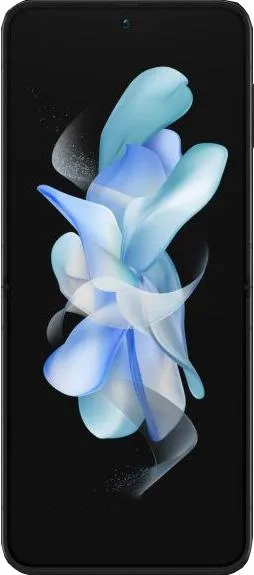
1. Specifications Comparison
| Feature | Huawei Mate X3 | Samsung Galaxy Z Flip5 | Practical Impact |
|---|---|---|---|
| Design | |||
| Form Factor | Foldable (book-style) | Foldable (clamshell) | Mate X3 unfolds to a tablet-like size; Z Flip5 is compact when folded. |
| Dimensions (mm) | 156.9 x 141.5 x 5.3 (unfolded) | 165.1 x 71.9 x 6.9 (folded) | Mate X3 offers a larger screen real estate; Z Flip5 is significantly more pocketable. |
| Weight (g) | 239 | 187 | Z Flip5 is noticeably lighter for everyday carry. |
| Display | |||
| Display Size (inches) | 7.85 (unfolded) | 6.7 | Mate X3 provides a significantly larger display for multitasking and media consumption. |
| Resolution (pixels) | 2224 x 2496 | 1080 x 2640 | Both offer sharp displays; Mate X3 has higher resolution due to larger size. |
| Refresh Rate (Hz) | 120 | 120 | Both displays offer smooth scrolling and animations. |
| Display Type | Foldable OLED | Foldable Dynamic AMOLED 2X | Samsung's AMOLED 2X generally offers better contrast and brightness. Specific color accuracy and outdoor visibility data is missing for comparison. |
| Performance | |||
| Chipset | Snapdragon 8+ Gen 1 4G | Snapdragon 8 Gen 2 | Gen 2 offers performance and efficiency improvements over Gen 1, though real-world difference might be minimal for average users. |
| CPU | Octa-core (up to 3.19 GHz) | Octa-core (up to 3.36 GHz) | Gen 2 has a slightly faster clock speed and newer architecture, translating to potentially faster app loading and multitasking. |
| GPU | Adreno 730 | Adreno 740 | Adreno 740 offers better gaming performance and graphics rendering. |
| RAM | 8/12GB | 8GB | Mate X3 offers a 12GB RAM option for more demanding multitasking. |
| Camera | |||
| Rear Camera | 50MP Main + 13MP Wide + 12MP Telephoto | 12MP Main + 12MP Wide | Mate X3 has a more versatile camera system with a dedicated telephoto lens. Specific sensor quality details are missing for in-depth comparison. |
| Selfie Camera | 8MP | 10MP | Z Flip5 boasts a slightly higher resolution front camera. |
| Battery | |||
| Capacity (mAh) | 4800 | 3700 | Mate X3 offers significantly longer battery life given the larger battery capacity and 4G connectivity (5G consumes more power). |
| Other | |||
| OS | Missing | Android 13 | OS version for Mate X3 is not provided, hindering comparison of software features and updates. |
| 5G | No | Yes | Z Flip5 offers faster cellular data speeds where 5G is available. |
| Price Range | High | Medium | Z Flip5 offers a much lower entry price point. |
2. Key Differences Analysis
Huawei Mate X3 Advantages:
- Larger, more immersive display: Ideal for multitasking, media consumption, and productivity.
- Longer battery life: Provides significantly more usage time between charges.
- More versatile camera system: Telephoto lens enables better zoom capabilities.
Samsung Galaxy Z Flip5 Advantages:
- Significantly more compact and portable: Easier to carry in pockets.
- More affordable: Offers a better price-to-performance ratio for most users.
- 5G Connectivity: Enables faster data speeds and future-proofs the device.
- Newer, more powerful chipset: Offers better overall performance and efficiency.
- Up-to-date OS: Ensures access to latest features and security updates.
3. User Profiles & Recommendations
Huawei Mate X3: Users who prioritize a large screen experience for productivity and media consumption and are willing to pay a premium. Ideal for professionals, content creators, and heavy media users.
Samsung Galaxy Z Flip5: Users who prioritize portability and affordability without compromising on flagship-level performance. Ideal for social media enthusiasts, casual users, and those seeking a stylish and compact device.
4. Decision Framework
Key Questions:
- What is your budget? Z Flip5 offers much better value.
- Do you prioritize screen size or portability? Mate X3 excels in screen size, Z Flip5 in portability.
- Do you need 5G connectivity? Z Flip5 is 5G enabled.
My Choice: Samsung Galaxy Z Flip5
While the Mate X3 boasts a larger display and longer battery life, the Z Flip5 offers a more compelling package for my needs. Its compact form factor, significantly lower price, 5G connectivity, and up-to-date operating system outweigh the benefits of the Mate X3. I value portability and affordability, and the Z Flip5 doesn't compromise heavily on performance. The lack of OS information for the Mate X3 is also a major concern. While the Mate X3's larger unfolded screen is attractive, it's not a necessity for my usage. The Z Flip5 strikes a better balance between performance, features, and price, making it the more practical choice for me.
