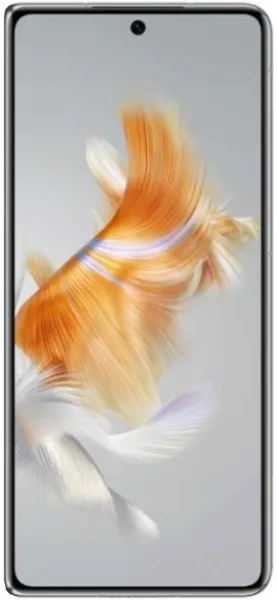
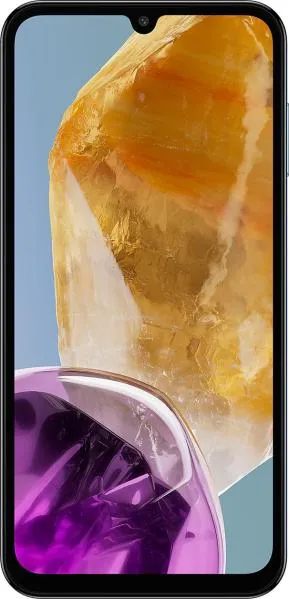
1. Specifications Comparison
| Feature | Huawei Mate X3 | Samsung Galaxy M15 | Practical Impact |
|---|---|---|---|
| Design | |||
| Dimensions (mm) | 156.9 x 141.5 x 5.3 (folded) | 160.1 x 76.8 x 9.3 | Mate X3 significantly thinner when folded, but wider; M15 more pocketable when unfolded. |
| Weight (g) | 239 | 217 | Mate X3 slightly heavier, but considering its foldable nature, the weight difference is minimal. |
| Foldable | Yes | No | Mate X3 offers a larger screen real estate and multitasking capabilities. M15 is a traditional slab phone. |
| Display | |||
| Display Size (inches) | 7.85 (unfolded) | 6.5 | Mate X3 offers a substantially larger screen for media consumption and productivity. |
| Resolution (px) | 2224 x 2496 | 1080 x 2340 | Mate X3 boasts a much higher resolution, resulting in sharper images and text. |
| Refresh Rate (Hz) | 120 | 90 | Mate X3 provides smoother scrolling and animations. |
| Display Type | Foldable OLED | Super AMOLED | Both offer vibrant colors and deep blacks; Mate X3's foldable OLED brings added versatility. |
| Performance | |||
| Chipset | Snapdragon 8+ Gen 1 4G | Mediatek Dimensity 6100+ | Mate X3's processor is significantly more powerful, enabling faster performance and smoother multitasking. |
| CPU | Octa-core (1x3.19 GHz X2 & 3x2.75 GHz A710 & 4x2.0 GHz A510) | Octa-core (2x2.2 GHz A76 & 6x2.0 GHz A55) | Mate X3 offers superior CPU performance, especially in demanding tasks. |
| GPU | Adreno 730 | Mali-G57 MC2 | Mate X3's GPU provides a significant advantage in gaming and graphics-intensive applications. |
| RAM (GB) | 8/12 | 4/6 | Mate X3 offers more RAM, enabling smoother multitasking and better performance with multiple apps. |
| Camera | |||
| Main Camera (MP) | 50 | 50 | Comparable megapixel count, but sensor and image processing quality unknown without further details. |
| Other Cameras | Wide, Telephoto, Selfie | Wide, Macro, Selfie | Mate X3 offers a telephoto lens for optical zoom; M15 has a dedicated macro lens. |
| Video Recording | Up to 4K@60fps with EIS | 1080p@30fps with EIS | Mate X3 supports higher resolution and frame rate video recording. |
| Battery | |||
| Capacity (mAh) | 4800 | 6000 | M15 has a larger battery capacity, potentially offering longer battery life despite its 5G connectivity. |
2. Key Differences Analysis
Huawei Mate X3 Advantages:
- Superior Performance: Significantly more powerful processor and GPU for demanding tasks and gaming.
- Larger, High-Resolution Foldable Display: Offers immersive media consumption and enhanced multitasking.
- Higher Refresh Rate: Smoother scrolling and animations.
- Versatile Camera System: Telephoto lens for optical zoom.
Samsung Galaxy M15 Advantages:
- Larger Battery Capacity: Potentially longer battery life.
- 5G Connectivity: Faster data speeds and lower latency.
- Significantly Lower Price: Offers good value for its features.
3. User Profiles & Recommendations
Huawei Mate X3: Ideal for power users, multitaskers, content creators, and those who value a premium, large-screen experience. Excellent for productivity on the go, watching videos, and mobile gaming.
Samsung Galaxy M15: Suitable for budget-conscious users who prioritize battery life and 5G connectivity. A good option for everyday tasks, social media, web browsing, and casual gaming.
4. Decision Framework
Key Questions for Buyers:
- Budget: Are you willing to pay a premium for top-tier performance and a foldable design?
- Performance Needs: Do you require a powerful device for demanding tasks or gaming?
- Connectivity: Is 5G connectivity a priority?
Scenario-Based Recommendations:
- Power User with a High Budget: Huawei Mate X3
- Budget-Conscious User Prioritizing 5G: Samsung Galaxy M15
- User Seeking a Large Screen for Productivity and Entertainment: Huawei Mate X3
My Choice: Huawei Mate X3
While the Samsung Galaxy M15 offers excellent value for its price, I would choose the Huawei Mate X3. The foldable design, significantly superior performance, stunning display, and versatile camera system are compelling. I prioritize performance and a premium user experience, and the Mate X3 delivers on both fronts. While the higher price is a factor, the unique advantages of the foldable form factor and the overall performance capabilities outweigh the cost for my personal needs. The lack of 5G is a drawback, but 4G speeds are still sufficient for most tasks. The smaller battery capacity is a minor concern considering the power efficiency of the Snapdragon 8+ Gen 1 and the potential for optimized battery management in the Mate X3.
