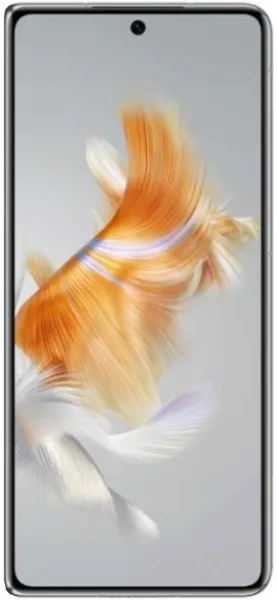
1. Specifications Comparison
| Feature | Huawei Mate X3 | realme 8 | Practical Impact |
|---|---|---|---|
| Design | |||
| Dimensions (mm) | 156.9 x 141.5 x 5.3 (folded) | 162 x 75.1 x 8.7 | Mate X3 significantly more compact when folded, realme 8 thinner when unfolded. Impacts pocketability and one-handed use. |
| Weight (g) | 239 | 191 | Mate X3 heavier despite foldable design. May be noticeable during extended use. |
| Foldable | Yes | No | Mate X3 offers a larger screen in a smaller form factor when folded, and tablet-like functionality when unfolded. Realme 8 is a traditional slab phone. |
| Display | |||
| Size (inches) | 7.85 (unfolded) | 6.78 | Mate X3 provides a much larger screen area when unfolded, beneficial for multitasking and media consumption. |
| Resolution (px) | 2224 x 2496 | 1264 x 2780 | Despite larger size, Mate X3 has a lower pixel density (426 ppi vs 450 ppi). Realme 8 may offer slightly sharper text and images. |
| Type | Foldable OLED, 120Hz | LTPO AMOLED, 120Hz | Both offer smooth scrolling and animations. LTPO on realme 8 allows for dynamic refresh rate adjustment, potentially saving battery. Mate X3's foldable screen introduces a crease and potential durability concerns. |
| Performance | |||
| Chipset | Snapdragon 8+ Gen 1 4G | Snapdragon 7+ Gen 3 | Mate X3 has a more powerful processor, leading to better performance in demanding tasks like gaming and video editing. Realme 8's chip is more power-efficient. |
| RAM (GB) | 8/12 (depending on version) | 12 | Realme 8 offers more RAM in the specified configuration, potentially improving multitasking performance. However, the Mate X3 also has 12GB RAM options. |
| OS | Unknown | Android 14 | Lack of OS information for the Mate X3 makes comparison difficult. Android 14 on realme 8 guarantees latest features and security updates. |
| Camera | |||
| Rear Cameras | 50MP Main, 13MP Ultrawide, 12MP Periscope Telephoto | Missing | Mate X3 has a versatile triple camera system. Missing specifications for the realme 8 prevent camera comparison. |
| Battery | |||
| Capacity (mAh) | 4800 | 5500 | Realme 8 has a larger battery capacity, potentially offering longer battery life. Foldable displays often consume more power, potentially offsetting Mate X3's larger battery in some use cases. |
2. Key Differences Analysis
Huawei Mate X3 Advantages:
- Foldable Design: Offers larger screen real estate and greater versatility compared to traditional slab phones.
- Powerful Processor: Snapdragon 8+ Gen 1 provides superior performance for demanding tasks.
- Versatile Camera System: Leica-tuned triple camera system with periscope telephoto lens offers a wide range of shooting options.
Realme 8 Advantages:
- Lower Price: Significantly more affordable than the Mate X3.
- Larger Battery: Potentially longer battery life due to larger capacity and more efficient chipset.
- Latest Android Version: Ensures access to the newest features and security updates.
- LTPO Display: More power efficient than the Mate X3's display.
3. User Profiles & Recommendations
Huawei Mate X3: Ideal for users who prioritize a large, flexible screen for productivity and media consumption and are willing to pay a premium. Suitable for professionals, content creators, and heavy multitaskers.
Realme 8: Best suited for budget-conscious users who want a modern smartphone with a good display and long battery life. Suitable for everyday users, social media enthusiasts, and light gamers.
4. Decision Framework
Key Questions for Buyers:
- Budget: Are you willing to pay a premium for a foldable phone?
- Screen Size and Portability: Do you prioritize a large screen or maximum portability?
- Performance Needs: Do you require top-tier processing power for demanding applications?
Scenario-Based Recommendations:
- Limited Budget: Realme 8 is the clear choice.
- Maximum Productivity: Mate X3's foldable screen offers a significant advantage.
- Best Value: Realme 8 likely provides better value due to its lower price and competitive features. However, this depends on individual needs and the importance placed on a foldable screen.
My Choice: realme 8
While the Huawei Mate X3 is undoubtedly innovative with its foldable design and powerful processor, the realme 8 offers a more compelling package for my needs. The significantly lower price, larger battery, and confirmed access to the latest Android version are crucial factors. While I appreciate the larger screen of the Mate X3, the realme 8's display is still large enough for comfortable media consumption, and its higher pixel density might even offer a slightly sharper image. The lack of detailed camera specifications for the realme 8 makes a complete comparison impossible, but considering the overall value proposition, I would lean towards the realme 8. The potential for longer battery life due to the LTPO display is also a strong positive. Finally, the uncertainty surrounding the Mate X3's operating system and potential lack of Google Mobile Services would be a major drawback for me.
