1. Specifications Comparison
| Feature | Huawei Mate X3 | Oppo Reno11 | Practical Impact |
|---|---|---|---|
| Design | |||
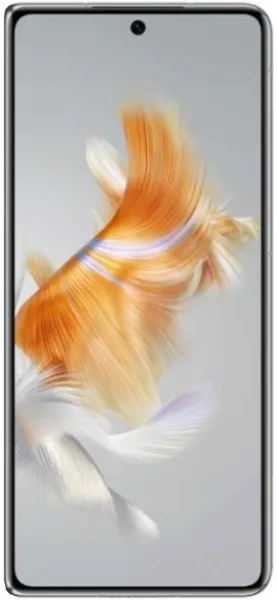
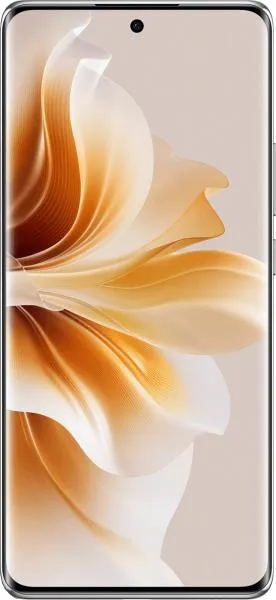
| Dimensions (mm) | 156.9 x 141.5 x 5.3 (folded) | 162.4 x 74.3 x 7.9 | Mate X3 significantly thinner and slightly shorter when folded, but wider. Reno11 is a traditional slab phone. |
| Weight (g) | 239 | 182 | Mate X3 heavier due to folding mechanism; Reno11 more pocketable for everyday carry. |
| Foldable | Yes | No | Mate X3 offers larger screen real estate in a pocketable size; Reno11 offers a more traditional smartphone experience. |
| Display | |||
| Display Size (inches) | 7.85 (unfolded) | 6.7 | Mate X3 provides a tablet-like experience when unfolded; Reno11 has a large but standard screen size. |
| Resolution (px) | 2224 x 2496 | 1080 x 2412 | Mate X3 has a sharper display due to higher resolution and pixel density, especially noticeable when unfolded. |
| Refresh Rate (Hz) | 120 | 120 | Both offer smooth scrolling and animations. |
| Display Type | Foldable OLED | AMOLED | Mate X3's folding OLED introduces a crease but enables the unique form factor. Reno11's AMOLED likely offers better color accuracy and brightness based on HDR10+ support. |
| Performance | |||
| Chipset | Snapdragon 8+ Gen 1 4G (4 nm) | MediaTek Dimensity 7050 (6 nm) | Mate X3 boasts a flagship-level processor for demanding tasks and gaming; Reno11 offers mid-range performance suitable for everyday use. |
| CPU | Octa-core (1x3.19 GHz Cortex-X2 & 3x2.75 GHz Cortex-A710 & 4x2.0 GHz Cortex-A510) | Octa-core (2x2.6 GHz Cortex-A78 & 6x2.0 GHz Cortex-A55) | Mate X3 has a more powerful CPU architecture, resulting in faster processing speeds for demanding applications and multitasking. |
| GPU | Adreno 730 | Mali-G68 MC4 | Mate X3 offers superior graphics performance for gaming and visually intensive applications. |
| RAM | 8GB/12GB | 8GB/12GB | RAM parity; both offer sufficient memory for multitasking, though real-world performance will differ due to chipset differences. |
| Camera | |||
| Main Camera (MP) | 50 | 50 | Similar megapixel count; image quality will depend on sensor size, processing, and software. |
| Telephoto | Yes (5x optical zoom) | Yes (32MP, optical zoom unspecified) | Mate X3's telephoto capabilities are clearly defined with 5x optical zoom. Reno11 has a higher resolution telephoto but lacks specific optical zoom data. |
| Ultrawide | 12MP | 8MP | Mate X3's ultrawide offers slightly higher resolution. |
| Battery | |||
| Capacity (mAh) | 4800 | 5000 | Reno11 has a slightly larger battery capacity, potentially offering longer battery life. However, Mate X3's larger display may consume more power. |
| Other | |||
| OS | Unknown | Android 14 | Reno11's OS is clearly defined. Lack of OS information for Mate X3 makes comparison impossible. |
| Price Range | High | Medium | Significant price difference; Mate X3 is a premium flagship, Reno11 a more affordable mid-ranger. |
| 5G | No | Yes | Reno11 offers faster cellular data speeds and future-proofing with 5G connectivity. |
2. Key Differences Analysis
Huawei Mate X3 Advantages:
- Foldable Design: Offers a unique, versatile form factor with a larger screen when needed.
- Superior Performance: Flagship chipset and powerful CPU/GPU combination provide a smoother, faster experience for demanding tasks and gaming.
- Sharper Display: Higher resolution and pixel density result in a more detailed visual experience.
- Defined Telephoto Capabilities: 5x optical zoom provides clear advantages for capturing distant subjects.
Oppo Reno11 Advantages:
- Lower Price: Significantly more affordable than the Mate X3.
- Larger Battery: Potentially longer battery life.
- 5G Connectivity: Faster cellular data speeds and future-proofing.
- Lighter and More Pocketable: Easier to carry and use in one hand compared to the larger, heavier Mate X3.
- Known Software: Ships with Android 14, providing a familiar user experience.
Trade-offs:
- Mate X3's premium features (foldable screen, flagship performance) come at a much higher price.
- Reno11 sacrifices performance and display sharpness for affordability and 5G.
- Lack of clear OS information for the Mate X3 makes it difficult to assess software features and updates.
3. User Profiles & Recommendations
Huawei Mate X3 Ideal User: Professionals, power users, and early adopters who value a large screen for productivity and multimedia consumption on the go, and are willing to pay a premium for the innovative foldable design and top-tier performance, even without 5G.
Oppo Reno11 Ideal User: Budget-conscious users who prioritize affordability, 5G connectivity, and all-day battery life over peak performance and a foldable design. Suitable for everyday tasks, social media, web browsing, and casual gaming.
4. Decision Framework
Key Questions for Buyers:
- Budget: Is a premium price justifiable for the foldable design and top-tier performance of the Mate X3?
- Priority Features: Is a large, foldable screen or 5G connectivity more important? Is top-tier performance crucial, or is mid-range sufficient?
- Software Preferences: What is the OS and software experience like on the Mate X3? (This information is missing, making a comprehensive recommendation difficult).
My Choice:
Given the available information, I would choose the Oppo Reno11. While the Mate X3 offers enticing features like a foldable screen and powerful processor, the lack of OS information is a significant concern. Not knowing the OS version raises questions about software updates, security, and overall user experience. Additionally, the significantly higher price tag of the Mate X3 is not justified without a clear understanding of its software. The Reno11 offers a solid mid-range package with 5G connectivity, a large battery, and a known software experience (Android 14) at a much more affordable price. For me, the Reno11 strikes a better balance between features, performance, and price, while the uncertainty surrounding the Mate X3's software is a deal-breaker. If more information about the Mate X3's software becomes available, I might reconsider.
