1. Specifications Comparison
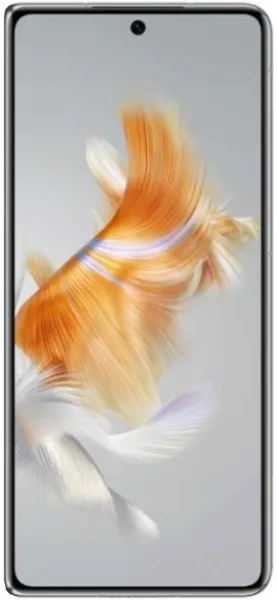
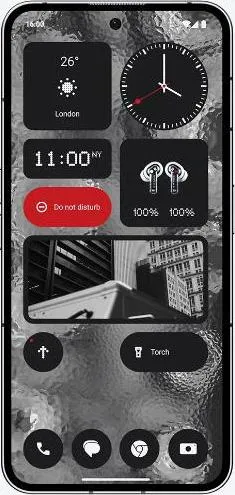
| Feature | Huawei Mate X3 | Nothing Phone (2) | Practical Impact |
|---|---|---|---|
| Design | |||
| Dimensions (mm) | 156.9 x 141.5 x 5.3 (folded) | 162.1 x 76.4 x 8.6 | Mate X3 significantly thinner when folded, but larger unfolded. Nothing Phone (2) more pocketable in daily use. |
| Weight (g) | 239 | 201.2 | Mate X3 heavier due to folding mechanism, noticeable in extended use. |
| Foldable | Yes | No | Mate X3 offers larger screen real estate for multitasking and media consumption but introduces potential durability concerns and bulk. |
| Display | |||
| Display Size (inches) | 7.85 (unfolded), ~6.4" (outer) | 6.7 | Mate X3 provides a substantially larger main display for productivity and immersion, while the Nothing Phone (2) offers a more standard size. |
| Resolution (px) | 2224 x 2496 (unfolded), 1080 x 2504 (outer) | 1080 x 2412 | Both offer sharp displays, but Mate X3's unfolded screen provides significantly higher pixel density for crisper visuals. |
| Refresh Rate (Hz) | 120 | 120 | Both offer smooth scrolling and animations. |
| Display Type | Foldable OLED | LTPO OLED | Mate X3's foldable OLED introduces a crease and potential durability concerns. Nothing Phone (2)'s LTPO panel allows for dynamic refresh rate adjustment, potentially saving battery. |
| Peak Brightness (nits) | Unspecified | 1600 | Missing peak brightness for Mate X3 prevents comparison. Nothing Phone (2)'s high brightness ensures excellent outdoor visibility. |
| Performance | |||
| Chipset | Snapdragon 8+ Gen 1 4G (4 nm) | Snapdragon 8+ Gen 1 (4 nm) | Nearly identical performance expected, though slight CPU clock speed differences might give Nothing Phone (2) a negligible edge. |
| CPU | Octa-core (1x3.19 GHz X2 & 3x2.75 GHz A710 & 4x2.0 GHz A510) | Octa-core (1x3.0 GHz X2 & 3x2.5 GHz A710 & 4x1.80 GHz A510) | Minor differences in clock speeds; both should handle demanding tasks with ease. |
| GPU | Adreno 730 | Adreno 730 | Identical GPUs; gaming performance should be very similar. |
| RAM | 8/12GB | 8/12GB | Both offer ample RAM for multitasking; 12GB options provide additional headroom for future-proofing. |
| Camera | |||
| Main Camera (MP) | 50 | 50 | Comparable resolution; image quality will depend on sensor, processing, and lens quality. |
| Ultrawide (MP) | 12 | 50 | Nothing Phone (2) boasts a much higher resolution ultrawide, potentially capturing more detail. |
| Telephoto (MP) | 16 | None | Mate X3 offers optical zoom for better image quality at longer distances; Nothing Phone (2) relies on digital zoom. |
| Battery | |||
| Capacity (mAh) | 4800 | 4700 | Very similar battery capacities; real-world battery life will depend on software optimization and usage patterns. |
| Other | |||
| OS | Unspecified | Android 13 | Missing OS details for Mate X3 hinders comparison. Nothing Phone (2) runs a clean, near-stock Android experience with promised updates. |
| Price | High | Medium | Significant price difference; Mate X3 positioned as a premium flagship, while Nothing Phone (2) offers competitive specs at a lower price. |
| 5G | No | Yes | Nothing Phone (2) offers faster cellular data speeds and future-proof connectivity. |
2. Key Differences Analysis
Huawei Mate X3 Advantages:
- Larger, Foldable Display: Offers significantly more screen real estate for multitasking and media consumption.
- Optical Zoom: Provides superior image quality at longer distances compared to digital zoom.
Nothing Phone (2) Advantages:
- Lower Price: Significantly more affordable while offering comparable performance.
- Lighter and More Pocketable: Easier to carry and use in one hand.
- 5G Connectivity: Provides faster data speeds and future-proof connectivity.
- LTPO Display: More power efficient due to dynamic refresh rate adjustment.
- Confirmed OS and Updates: Ships with Android 13 and has promised future OS updates, unlike the Mate X3 which lacks OS information.
Trade-offs:
- Mate X3: Higher price, heavier and bulkier due to folding mechanism, potential durability concerns with foldable screen, lacks 5G and clear OS information.
- Nothing Phone (2): Smaller display, lacks optical zoom.
3. User Profiles & Recommendations
Huawei Mate X3: Users who prioritize a large screen for productivity, media consumption, and multitasking, and are willing to pay a premium for the foldable form factor despite potential drawbacks.
Nothing Phone (2): Users seeking a well-rounded smartphone with excellent performance, a clean Android experience, 5G connectivity, at a more affordable price point. Value-conscious buyers who prioritize features like 5G and guaranteed software updates.
4. Decision Framework
Key Questions:
- Is a foldable screen a must-have feature? If yes, the Mate X3 is the only option.
- What is your budget? The Nothing Phone (2) offers significantly better value for its price.
- Do you prioritize 5G connectivity and confirmed software updates? The Nothing Phone (2) excels in this area.
Scenario-Based Recommendations:
- Business Professional: Mate X3 if the large screen for multitasking outweighs the price and portability concerns.
- Everyday User: Nothing Phone (2) offers a balanced package of performance, features, and price.
- Content Creator: Mate X3's large screen could be beneficial for editing, but the lack of 5G for uploads might be a drawback. The Nothing Phone (2) would provide a more reliable upload experience with 5G.
My Choice: Nothing Phone (2)
While the Mate X3's foldable screen is intriguing, the Nothing Phone (2)'s combination of strong performance, competitive features, confirmed software updates, 5G connectivity, and significantly lower price makes it a more compelling overall package for me. The lack of concrete OS information and the absence of 5G in the Mate X3 are significant drawbacks considering its high price. The Nothing Phone (2) offers excellent value and a more practical everyday experience for my needs. I appreciate the clean software and the peace of mind that comes with knowing the phone will receive timely updates. The price difference is substantial enough to outweigh the benefits of a foldable screen for my personal use case.
