1. Specifications Comparison
| Feature | Huawei Mate X3 | Motorola Razr 50 Ultra | Practical Impact | |
|---|---|---|---|---|
| Design | ||||
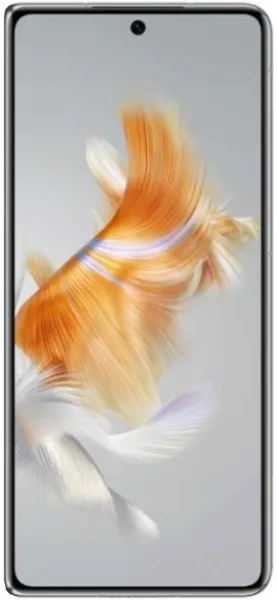
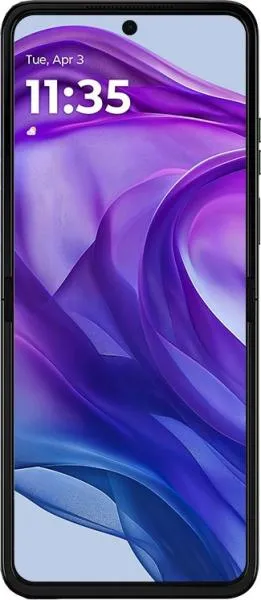
| Dimensions (mm) | 156.9 x 141.5 x 5.3 (folded) | 171.4 x 74 x 7.1 (folded) | Mate X3 is significantly wider unfolded, Razr 50 Ultra is taller and thicker folded. Razr 50 Ultra likely more pocketable when folded. | |
| Weight (g) | 239 | 189 | Razr 50 Ultra is noticeably lighter, reducing hand fatigue. | |
| Foldable | Yes | Yes | Both offer foldable screen technology, enhancing portability. | |
| Display | ||||
| Display Size (inches) | 7.85 (unfolded) | 6.9 (unfolded), External: ~3.6" | Mate X3 boasts a larger main display for superior multitasking and media consumption. Razr's larger external display offers more functionality when folded. | |
| Resolution (px) | 2224 x 2496 | 1080 x 2640 | Mate X3 has a higher resolution, leading to sharper images and text. However, the difference might not be noticeable in everyday use due to the Razr's higher pixel density. | |
| Refresh Rate (Hz) | 120 | 165 | Razr 50 Ultra's higher refresh rate provides smoother animations and scrolling, especially noticeable in gaming and fast-paced content. | |
| Display Type | Foldable OLED | Foldable LTPO AMOLED | Both are high-quality displays. LTPO on Razr allows for variable refresh rate, potentially saving battery. Razr also supports HDR10+ and Dolby Vision for better dynamic range and color accuracy. | |
| Performance | ||||
| Chipset | Snapdragon 8+ Gen 1 4G | Snapdragon 8+ Gen 3 | Razr 50 Ultra features a newer, more powerful chipset resulting in faster performance and improved efficiency. | |
| CPU | Octa-core (1x3.19 GHz Cortex-X2 & 3x2.75 GHz Cortex-A710 & 4x2.0 GHz Cortex-A510) | Octa-core (1x3.0 GHz Cortex-X4 & 4x2.8 GHz Cortex-A720 & 3x2.0 GHz Cortex-A520) | Razr has a newer CPU architecture potentially offering performance and efficiency gains. | |
| GPU | Adreno 730 | Adreno 735 | Razr 50 Ultra has a slightly more powerful GPU, beneficial for demanding games and graphics-intensive tasks. | |
| RAM | 8/12GB | 12GB | Razr 50 Ultra offers more RAM in its base configuration, improving multitasking and overall responsiveness. | |
| Camera | ||||
| Main Camera (MP) | 50 | 50 | Comparable main camera resolution. Sensor specifications would be needed for in-depth comparison. | |
| Telephoto | Yes (3x Optical) | Yes (2x Optical) | Mate X3 offers stronger optical zoom capabilities. | |
| Selfie (MP) | 8 | 32 | Razr 50 Ultra has a significantly better selfie camera resolution. | |
| Battery | ||||
| Capacity (mAh) | 4800 | 4000 | Mate X3 has a larger battery capacity, potentially offering longer battery life. However, real-world usage will depend on various factors including display usage and software optimization. | |
| OS | Not specified | Android 14 (upgradable to 17) | Razr 50 Ultra has a defined OS and upgrade path, ensuring software updates and security patches. Lack of OS information for Mate X3 is a significant drawback. |
2. Key Differences Analysis
Huawei Mate X3 Advantages:
- Larger Main Display: Better for multitasking, media consumption.
- Higher Resolution Display: Sharper visuals.
- Larger Battery: Potentially longer battery life.
- Stronger Optical Zoom: More versatile camera for distant subjects.
Motorola Razr 50 Ultra Advantages:
- Lighter and More Compact: Easier to carry and use one-handed.
- More Powerful Chipset & GPU: Smoother performance, better gaming.
- Higher Refresh Rate Display: Superior visual fluidity.
- Larger External Display: More usable when folded.
- Newer Android Version with Longer Update Support: Access to latest features and security patches.
- Lower Price: Offers better value for money.
3. User Profiles & Recommendations
Huawei Mate X3: Users prioritizing a large, high-resolution display for productivity and media consumption. Suitable for those who value a larger battery and stronger zoom capabilities. However, the lack of clear OS information is a major concern.
Motorola Razr 50 Ultra: Users prioritizing portability, performance, and a modern software experience. The larger cover screen makes it more functional when folded. Ideal for those who value a pocketable device with smooth performance and up-to-date software.
4. Decision Framework
Key Questions for Buyers:
- How important is display size and resolution vs. portability?
- Do you prioritize the latest performance and software updates?
- What is your budget and desired price-to-performance ratio?
Scenario-Based Recommendations:
- Power User needing large screen for productivity: Mate X3 if OS concerns are addressed. Otherwise, consider other large-screen foldables.
- On-the-go user prioritizing portability and style: Razr 50 Ultra.
- Budget-conscious user wanting a foldable experience: Razr 50 Ultra offers better value.
My Choice: Motorola Razr 50 Ultra
While the Mate X3 has a larger, higher resolution internal display and a larger battery, the lack of OS information is a deal breaker. The Razr 50 Ultra offers a compelling package with a more powerful chipset, smoother display, a highly functional external screen, lighter and more compact design, longer software support, and a lower price. For me, the Razr 50 Ultra strikes a better balance between portability, performance, features, and price. The newer processor and guaranteed Android updates ensure a longer lifespan and better user experience in the long run. The significantly improved external display compared to previous generations makes the Razr 50 Ultra much more usable when folded.
