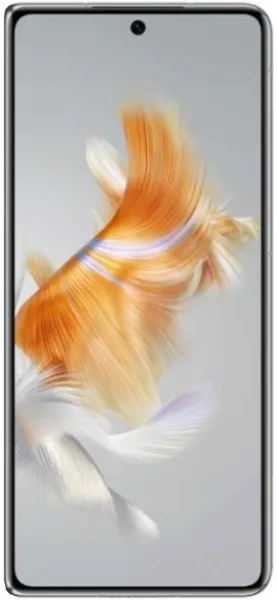
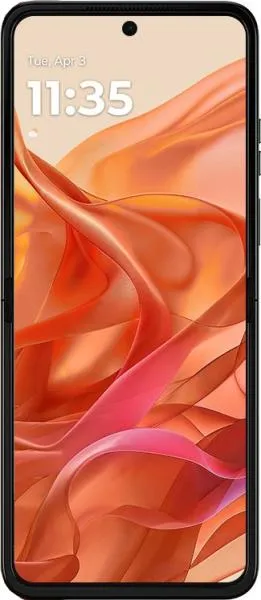
1. Specifications Comparison
| Feature | Huawei Mate X3 | Motorola Razr 50 | Practical Impact |
|---|---|---|---|
| Design | |||
| Dimensions (mm) | 156.9 x 141.5 x 5.3 (unfolded) | 171.3 x 74 x 7.3 (folded), 171.3 x 74 x 7.3 | Mate X3 is wider unfolded, Razr 50 is taller folded. Razr 50 potentially more pocketable when folded. |
| Weight (g) | 239 | 188.4 | Razr 50 noticeably lighter, reducing hand fatigue during extended use. |
| Foldable | Yes | Yes | Both offer foldable screen technology, enhancing portability. |
| Display | |||
| Display Size (inches) | 7.85 | 6.9 | Mate X3 provides a significantly larger screen real estate for multitasking and media consumption. |
| Resolution (pixels) | 2224 x 2496 | 1080 x 2640 | Mate X3 boasts a sharper display due to higher resolution, resulting in clearer images and text. |
| Display Type | Foldable OLED, 120Hz | Foldable LTPO AMOLED, 120Hz, HDR10+ | Both offer smooth scrolling and animations. Razr 50 supports HDR10+ for enhanced dynamic range in supported content, potentially brighter peak brightness. Missing peak brightness data for Mate X3 prevents full comparison. |
| Performance | |||
| Chipset | Snapdragon 8+ Gen 1 4G (4nm) | MediaTek Dimensity 7300X (4 nm) | Mate X3 likely to offer superior performance in demanding tasks and gaming due to a more powerful chipset. |
| CPU | Octa-core (1x3.19 GHz Cortex-X2 & 3x2.75 GHz Cortex-A710 & 4x2.0 GHz Cortex-A510) | Octa-core (4x2.5 GHz Cortex-A78 & 4x2.0 GHz Cortex-A55) | Mate X3's CPU configuration suggests better single-core and multi-core performance compared to Razr 50. |
| GPU | Adreno 730 | Mali-G615 MC2 | Mate X3 likely possesses stronger graphics processing capabilities, benefiting gaming and visually intensive applications. |
| RAM | 8GB/12GB | 8GB/12GB | Both offer configurations with ample RAM for smooth multitasking. |
| Camera | |||
| Main Camera | 50MP (Sony IMX766) | 50MP | Comparable main camera resolution. Sensor model information missing for Razr 50 prevents detailed comparison. |
| Other Cameras | 12MP Wide + Macro, 16MP Telephoto | 13MP Wide, 32MP Selfie | Mate X3 offers a more versatile camera system with a dedicated telephoto lens. Razr 50 features a higher resolution selfie camera. |
| Battery | |||
| Capacity (mAh) | 4800 | 4200 | Mate X3 has a larger battery capacity, potentially offering longer usage time on a single charge. |
2. Key Differences Analysis
Huawei Mate X3 Advantages:
- Larger, sharper display: Provides a more immersive experience for media consumption and multitasking.
- More powerful performance: Offers smoother performance for demanding applications and gaming.
- More versatile camera system: Telephoto lens enables better zoom capabilities.
- Larger battery: Potentially longer battery life.
Motorola Razr 50 Advantages:
- Lighter and more compact: Easier to carry and use one-handed.
- Lower price: Offers a more affordable entry point into the foldable smartphone market.
- HDR10+ support: Better dynamic range in video content.
- 5G Connectivity: Supports faster mobile data speeds where available. Mate X3 only supports 4G.
Trade-offs:
- Mate X3: Higher price, heavier, lacks 5G.
- Razr 50: Smaller, lower resolution display, less powerful performance, less versatile camera system.
3. User Profiles & Recommendations
Huawei Mate X3: Ideal for users who prioritize a large, high-quality display, top-tier performance, and a versatile camera system and are willing to pay a premium. Use cases: Productivity, media consumption, gaming, photography.
Motorola Razr 50: Suitable for users seeking a more affordable and portable foldable phone for everyday use, prioritizing compact design and style. Use cases: Casual social media, communication, web browsing, basic photography.
4. Decision Framework
Key Questions for Buyers:
- What is your budget? The Mate X3 is significantly more expensive.
- What screen size and quality do you prioritize? The Mate X3 offers a larger and sharper display.
- What level of performance do you need? The Mate X3 is significantly more powerful.
My Choice: Huawei Mate X3
While the Motorola Razr 50 offers an attractive price point and portability, the Huawei Mate X3 better suits my needs. I prioritize a large, high-quality display for both productivity and media consumption. The superior performance of the Mate X3 ensures a smooth and lag-free experience, which is crucial for my workflow. While the lack of 5G is a drawback, the overall benefits of the Mate X3, including the more versatile camera system and larger battery, outweigh this disadvantage for me. The price difference is significant, but I am willing to invest in the premium experience offered by the Mate X3. The Razr 50 would be a great option for budget-conscious buyers looking for a foldable phone but for my use case the Mate X3 is the clear winner.
