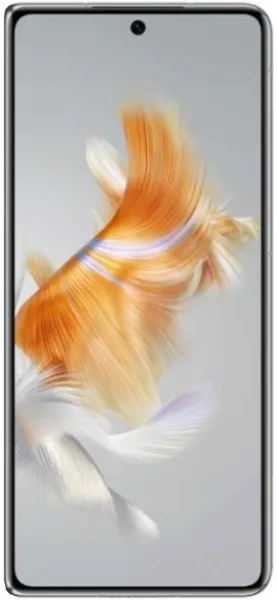
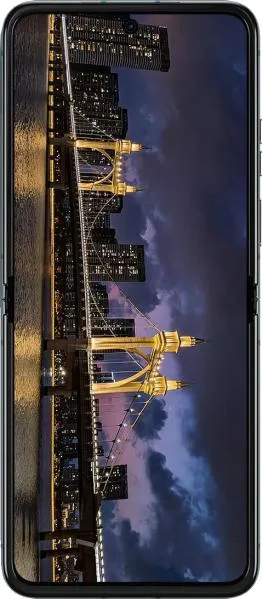
1. Specifications Comparison
| Feature | Huawei Mate X3 | Motorola Razr 40 Ultra | Practical Impact |
|---|---|---|---|
| Design | |||
| Dimensions (mm) | 156.9 x 141.5 x 5.3 (unfolded) | 170.8 x 74 x 7 (unfolded) | Mate X3 is wider unfolded, Razr 40 Ultra is taller and thinner folded. Razr 40 Ultra is likely more pocketable. |
| Weight (g) | 239 | 184.5 | Razr 40 Ultra is significantly lighter, making it more comfortable for extended use. |
| Foldable | Yes | Yes | Both offer foldable screen technology. |
| Display | |||
| Display Size (inches) | 7.85 | 6.9 | Mate X3 offers a larger unfolded screen for better multitasking and media consumption. |
| Resolution (px) | 2224 x 2496 | 1080 x 2640 | Mate X3 has a higher resolution, resulting in sharper images and text. |
| Refresh Rate (Hz) | 120 | 165 | Razr 40 Ultra's higher refresh rate provides smoother animations and scrolling. |
| Display Type | Foldable OLED | Foldable LTPO AMOLED | Both use high-quality OLED panels. LTPO on Razr allows for variable refresh rate, potentially saving battery. Data is missing on whether Mate X3 uses LTPO. |
| Performance | |||
| Chipset | Snapdragon 8+ Gen 1 4G (4 nm) | Snapdragon 8+ Gen 1 (4 nm) | Nearly identical performance expected. However, Mate X3 lacks 5G connectivity. |
| CPU | Octa-core (1x3.19 GHz X2 & 3x2.75 GHz A710 & 4x2.0 GHz A510) | Octa-core (1x3.19 GHz X2 & 3x2.75 GHz A710 & 4x1.80 GHz A510) | Minor difference in efficiency core clock speeds; likely negligible real-world performance difference. |
| RAM (GB) | 12 (in some variants) | 8/12 (dependent on variant) | Both have sufficient RAM for demanding tasks, but certain Mate X3 variants offer more headroom for multitasking. |
| Camera | |||
| Main Camera (MP) | 50 | 12 | Mate X3 boasts a significantly higher resolution main sensor, potentially capturing more detail. |
| Additional Cameras | Wide, Telephoto | Wide | Mate X3 offers more versatile camera options with a dedicated telephoto lens. |
| Battery | |||
| Capacity (mAh) | 4800 | 3800 | Mate X3 has a larger battery, likely translating to longer battery life. |
2. Key Differences Analysis
Huawei Mate X3 Advantages:
- Larger, higher resolution display: Better for multitasking, media consumption, and productivity.
- Larger battery: Potentially longer battery life.
- More versatile camera system: Telephoto lens enables optical zoom for better image quality. Higher resolution main sensor.
Motorola Razr 40 Ultra Advantages:
- Lighter and more compact: More pocketable and comfortable for one-handed use.
- Higher refresh rate display: Smoother scrolling and animations.
- Lower price: Significantly more affordable.
- 5G Connectivity: Supports faster data speeds where available.
Trade-offs:
- Mate X3: Larger size and weight for a larger display and battery. Lacks 5G connectivity. Higher price.
- Razr 40 Ultra: Smaller battery and lower resolution display for a more compact design. Less versatile camera system.
3. User Profiles & Recommendations
Huawei Mate X3: Users who prioritize a large, high-quality display and long battery life for productivity and media consumption. Less sensitive to price and lack of 5G. Those who value a top tier camera.
Motorola Razr 40 Ultra: Users who prioritize portability and style. Suitable for those who want a foldable phone experience at a more accessible price point. Accepts some compromises on screen size, battery life, and camera versatility.
4. Decision Framework
Key Questions for Buyers:
- How important is screen size and resolution?
- How much do you value portability and weight?
- What is your budget?
Scenario-Based Recommendations:
- Frequent traveler needing productivity: Mate X3 for the larger screen and battery. However, the lack of 5G might be a deal-breaker depending on travel locations.
- Style-conscious user on a budget: Razr 40 Ultra offers foldable technology at a lower price.
- Power user needing the best camera: Mate X3 offers a more compelling camera system.
My Choice: Motorola Razr 40 Ultra
While the Mate X3 offers compelling features like a larger, higher-resolution display and bigger battery, the Razr 40 Ultra's significantly lower price, lighter weight, and 5G connectivity make it the more appealing choice for me. I prioritize portability and value, and the Razr 40 Ultra strikes a better balance between features and price. The lack of 5G on the Mate X3 is a significant drawback in my view. While I appreciate the advancements in the Mate X3's camera system, the Razr 40 Ultra's camera is sufficient for my everyday needs. Ultimately, the Razr 40 Ultra better fits my personal use case and priorities.
