1. Specifications Comparison
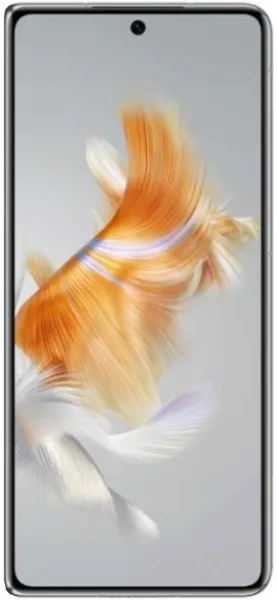
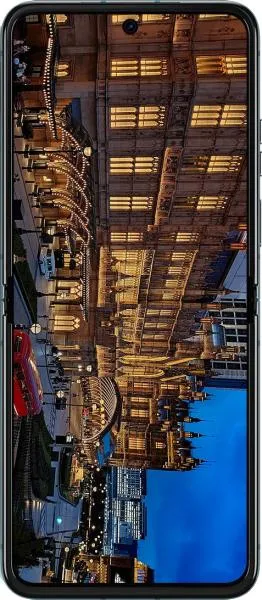
| Feature | Huawei Mate X3 | Motorola Razr 40 | Practical Impact |
|---|---|---|---|
| Design | |||
| Dimensions (mm) | 156.9 x 141.5 x 5.3 (unfolded) | 170.8 x 74 x 7.4 (folded) | Mate X3 is wider unfolded, Razr 40 significantly smaller when folded. Razr 40 is more pocketable. |
| Weight (g) | 239 | 188.6 | Razr 40 is noticeably lighter, reducing hand fatigue. |
| Foldable | Yes | Yes | Both offer foldable screen technology, enhancing portability. |
| Display | |||
| Display Size (inches) | 7.85 (unfolded) | 6.9 (main), ~1.5" (cover) | Mate X3 provides a larger main display for productivity, Razr 40 a useful cover screen for quick interactions. |
| Resolution (px) | 2224 x 2496 | 1080 x 2640 | Mate X3 has a higher resolution, resulting in sharper images and text. |
| Refresh Rate (Hz) | 120 | 144 | Razr 40's higher refresh rate delivers smoother animations and scrolling. |
| Display Type | Foldable OLED | Foldable LTPO AMOLED | Both are high-quality displays. LTPO on Razr 40 allows for variable refresh rate, potentially saving battery. |
| Performance | |||
| Chipset | Snapdragon 8+ Gen 1 4G | Snapdragon 7 Gen 1 | Mate X3 boasts a significantly more powerful processor, leading to superior performance in demanding tasks and gaming. |
| CPU | Octa-core (1x3.19 GHz X2 & 3x2.75 GHz A710 & 4x2.0 GHz A510) | Octa-core (1x2.4 GHz A710 & 3x2.36 GHz A710 & 4x1.8 GHz A510) | Mate X3's CPU offers higher clock speeds and a more powerful core configuration for faster processing. |
| GPU | Adreno 730 | Adreno 644 | Mate X3 has a more powerful GPU, delivering smoother graphics in games and visually intensive applications. |
| RAM (GB) | 8/12 | 8 | Mate X3 offers a 12GB RAM option, enabling better multitasking and handling of demanding apps. |
| Camera | |||
| Main Camera (MP) | 50 | 64 | While Razr 40 has a higher megapixel count, image quality depends on various factors not listed (sensor size, processing). |
| Telephoto | Yes (5x Optical Zoom) | No | Mate X3 offers optical zoom for better image quality at a distance. |
| Battery | |||
| Capacity (mAh) | 4800 | 4200 | Mate X3 has a larger battery, potentially offering longer usage time. However, real-world battery life depends on usage patterns and software optimization. |
| Other | |||
| OS | Missing | Android 13 | Missing OS details for Mate X3 limit comparison. Razr 40 runs on a current Android version. |
| 5G | No | Yes | Razr 40 offers 5G connectivity for faster data speeds where available. |
| Price Range | High | Medium | Significant price difference; Mate X3 is considerably more expensive. |
2. Key Differences Analysis
Huawei Mate X3 Advantages:
- Superior Performance: The Snapdragon 8+ Gen 1 provides a substantial performance advantage for demanding tasks, multitasking, and gaming.
- Larger, Higher Resolution Display: The unfolded screen provides more screen real estate for productivity and media consumption.
- Optical Zoom Camera: Offers versatility for capturing distant subjects with better quality.
- Larger Battery: Potentially longer battery life, though real-world usage will vary.
Motorola Razr 40 Advantages:
- Significantly More Affordable: Offers a compelling foldable experience at a mid-range price.
- More Compact and Lighter: Easier to carry and use one-handed.
- Higher Refresh Rate Display: Smoother scrolling and animations.
- 5G Connectivity: Faster data speeds in areas with 5G coverage.
- External Display: Allows for quick interactions without unfolding the phone.
3. User Profiles & Recommendations
Huawei Mate X3: Ideal for users who prioritize performance, a large high-resolution display, and camera versatility and are willing to pay a premium price. Use cases: demanding mobile gaming, multitasking, content creation, media consumption.
Motorola Razr 40: Suitable for users seeking a more affordable foldable phone that prioritizes portability, style, and a smooth display experience. Use cases: casual gaming, social media, web browsing, everyday communication, users who value pocketability.
4. Decision Framework
Key Questions for Buyers:
- What is your budget? The Mate X3 is significantly more expensive.
- What are your performance needs? Demanding tasks and gaming favor the Mate X3.
- What size and form factor do you prefer? The Razr 40 is smaller and lighter for better portability.
Scenario-Based Recommendations:
- Heavy gamer/power user: Huawei Mate X3
- Budget-conscious user seeking a stylish foldable: Motorola Razr 40
- User prioritizing portability above all else: Motorola Razr 40
My Choice: Motorola Razr 40
While the Mate X3 offers compelling specs, the Razr 40's price-to-value ratio is much more appealing to me. I prioritize portability and a smooth user experience, which the Razr 40 delivers with its compact design, lighter weight, and 144Hz display. The Snapdragon 7 Gen 1 is powerful enough for my everyday needs, and I appreciate the inclusion of 5G and a useful cover screen. While the Mate X3 boasts superior performance and a larger internal display, those features don't justify the significant price difference for my personal use case. I am also willing to accept the slightly smaller battery and lack of optical zoom given the Razr 40's other advantages. The lack of detailed OS information for the Mate X3 is also a concern.
