1. Specifications Comparison
| Feature | Huawei Mate X3 | Motorola Moto G14 | Practical Impact |
|---|---|---|---|
| Design | |||
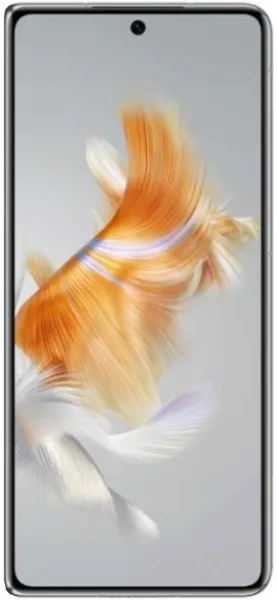
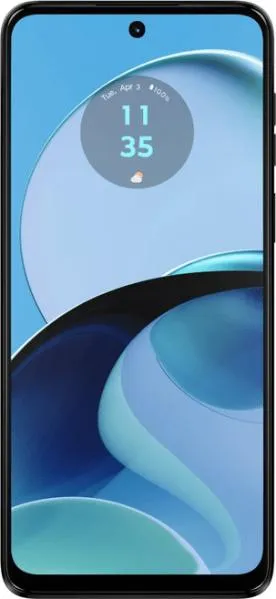
| Dimensions (mm) | 156.9 x 141.5 x 5.3 (folded) | 161.5 x 73.8 x 8 | Mate X3 significantly more compact when folded, but larger unfolded. Moto G14 easier to pocket. |
| Weight (g) | 239 | 177 | Mate X3 heavier due to folding mechanism and larger display. Moto G14 more comfortable for extended use. |
| Foldable | Yes | No | Mate X3 offers a larger screen for multitasking and media consumption. Moto G14 is a traditional slab phone. |
| Display | |||
| Type | Foldable OLED, 120Hz | IPS LCD | Mate X3 offers superior contrast, deeper blacks, and smoother scrolling. G14's LCD is less vibrant. Refresh rate information missing for G14. |
| Size (inches) | 7.85 (unfolded), ~6.4" (outer) | 6.5 | Mate X3 provides a significantly larger screen real estate when unfolded, beneficial for productivity and media. |
| Resolution | 2224 x 2496 (unfolded), 1080 x 2504 (outer) | 1080 x 2400 | Mate X3 boasts much sharper visuals on both inner and outer displays. |
| Performance | |||
| Chipset | Snapdragon 8+ Gen 1 4G (4nm) | Unisoc Tiger T616 (12nm) | Mate X3 dramatically more powerful, enabling smoother multitasking, faster app loading, and better gaming performance. |
| CPU | Octa-core (3.19 GHz Cortex-X2...) | Octa-core (2.0 GHz Cortex-A75...) | Mate X3 has a significantly faster and more efficient CPU architecture. |
| GPU | Adreno 730 | Mali-G57 MP1 | Mate X3's GPU offers a substantial performance advantage for demanding graphics tasks. |
| RAM | 8GB/12GB | 4GB/8GB | Mate X3 offers more RAM, allowing for smoother multitasking and better performance with demanding applications. |
| Camera | |||
| Main Camera | 50MP, Sony IMX766 | 50MP, Samsung S5KJN1 | Both have 50MP main sensors, but image quality will likely differ due to processing and sensor size differences. Specific sensor details lacking for Moto G14 make detailed comparison difficult. |
| Telephoto | Yes, 5x Optical Zoom | No | Mate X3 offers optical zoom for clearer distant shots. Moto G14 relies on digital zoom. |
| Ultrawide/Macro | 12MP | 2MP | Mate X3 likely provides a higher quality ultrawide experience. Moto G14 has a dedicated but low-resolution macro lens. |
| Battery | |||
| Capacity | 4800 mAh | 5000 mAh | Despite slightly lower capacity, Mate X3's more efficient processor may result in comparable battery life. Real-world usage will vary. |
2. Key Differences Analysis
Huawei Mate X3 Advantages:
- Significantly more powerful: Superior chipset, CPU, and GPU for demanding tasks and gaming.
- Foldable Design: Offers a larger, more versatile display for multitasking and media consumption.
- Higher Quality Display: OLED technology delivers richer colors, deeper blacks, and smoother refresh rates.
- Superior Camera System: Offers optical zoom and likely better overall image quality.
Motorola Moto G14 Advantages:
- Lower Price: Significantly more affordable.
- Lighter and More Pocketable: Easier to carry and use for extended periods.
- Larger Battery Capacity: Potentially longer battery life, although real-world usage depends on other factors.
3. User Profiles & Recommendations
Huawei Mate X3: Ideal for users who prioritize performance, a large and flexible display, and a high-quality camera. Best suited for power users, multitaskers, content creators, and those who value a premium mobile experience.
Motorola Moto G14: Ideal for budget-conscious users who need a reliable smartphone for basic tasks like calling, texting, browsing, and social media. Suitable for students, casual users, or as a secondary device.
4. Decision Framework
Key Questions:
- What is your budget? The Mate X3 is a premium device, while the Moto G14 is significantly more affordable.
- What are your primary use cases? Do you need a powerful device for demanding tasks or a simple phone for basic communication?
- How important is portability? The Mate X3 is heavier and less pocketable than the Moto G14.
My Choice:
I would choose the Huawei Mate X3. While significantly more expensive, the foldable design, powerful hardware, superior display, and advanced camera system outweigh the price difference for me. I value productivity and having a device that can handle demanding tasks and provide a premium media consumption experience. The larger screen real estate offered by the foldable design is a significant advantage for multitasking and productivity. Although the Moto G14 is a solid budget option, the performance and feature gap is too substantial for my needs. I am willing to pay a premium for the cutting-edge technology and superior user experience provided by the Mate X3.
