1. Specifications Comparison
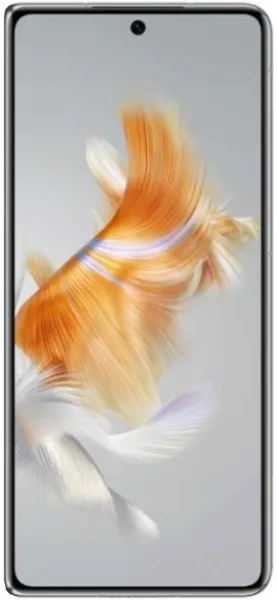
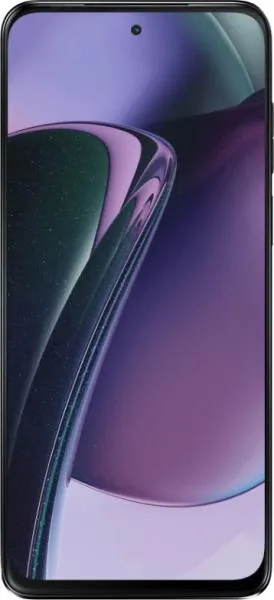
| Feature | Huawei Mate X3 | Motorola Moto G Stylus 5G (2023) | Practical Impact |
|---|---|---|---|
| Design | |||
| Dimensions (mm) | 156.9 x 141.5 x 5.3 (folded) | 162.8 x 73.8 x 9.2 | Mate X3 significantly thinner and potentially more pocketable when folded, but larger unfolded. Moto G Stylus thicker and heavier, feeling less premium. |
| Weight (g) | 239 | 202 | Mate X3 surprisingly lighter despite foldable design; Moto G Stylus feels substantial. |
| Foldable | Yes | No | Mate X3 offers a larger screen real estate and flexibility; Moto G Stylus is a traditional slab phone. |
| Stylus | No | Yes | Moto G Stylus caters to note-takers and artists; Mate X3 lacks this functionality. |
| Display | |||
| Display Type | Foldable OLED, 120Hz | IPS LCD, 120Hz | Mate X3 delivers superior contrast, deeper blacks, and potentially brighter colors. Moto G Stylus offers wider viewing angles but less vibrant colors. |
| Size (inches) | 7.85 (unfolded), ~6.4" (outer) | 6.6 | Mate X3 provides a tablet-like experience when unfolded. Moto G Stylus has a large display for a traditional phone. |
| Resolution | 2224 x 2496 (unfolded), 1080 x 2504 (outer) | 1080 x 2400 | Mate X3 boasts significantly sharper visuals, especially noticeable when unfolded. |
| PPI | 426 | 399 | Mate X3's content will appear crisper, though the difference might not be huge in real-world usage. |
| Performance | |||
| Chipset | Snapdragon 8+ Gen 1 4G | Snapdragon 6 Gen 1 | Mate X3 offers flagship-level performance, enabling demanding tasks and gaming. Moto G Stylus provides decent mid-range performance, suitable for everyday use but may struggle with heavy workloads. |
| CPU | Octa-core (1x3.19 GHz Cortex-X2 & 3x2.75 GHz Cortex-A710 & 4x2.0 GHz Cortex-A510) | Octa-core (4x2.2 GHz Cortex-A78 & 4x1.8 GHz Cortex-A55) | Mate X3 has a more powerful CPU architecture, resulting in faster processing speeds and smoother multitasking. |
| GPU | Adreno 730 | Adreno 710 | Mate X3 provides superior graphics performance, beneficial for gaming and graphically intensive applications. |
| RAM | 8GB/12GB | 4GB/6GB/8GB | Mate X3 offers more RAM in its higher configurations, improving multitasking and app loading times. The base Moto G Stylus may show performance limitations with only 4GB RAM. |
| Camera | |||
| Main Camera | 50MP, Sony IMX766 | 50MP, Omnivision OV50A | Both phones have 50MP main sensors, but image quality can vary due to processing and lens quality. Detailed comparison not possible without sample images. |
| Telephoto | Yes (5x Optical Zoom) | No | Mate X3 offers optical zoom for better image quality at longer distances. |
| Battery | |||
| Capacity (mAh) | 4800 | 5000 | Moto G Stylus has a slightly larger battery capacity, potentially offering longer battery life. Real-world usage will depend on software optimization and individual usage patterns. |
2. Key Differences Analysis
Huawei Mate X3 Advantages:
- Superior Performance: Flagship chipset, more RAM, and a powerful GPU deliver a smoother and faster experience.
- Foldable Design: Offers versatility with a large unfolded screen for multitasking and media consumption.
- Higher Quality Display: OLED technology provides vibrant colors and deep blacks.
Motorola Moto G Stylus 5G (2023) Advantages:
- Lower Price: Significantly more affordable, offering good value for its features.
- Larger Battery: Potentially longer battery life.
- Integrated Stylus: Caters to specific user needs for note-taking and drawing.
- 5G Connectivity: The Mate X3 only offers 4G
3. User Profiles & Recommendations
Huawei Mate X3: Users who prioritize performance, a cutting-edge foldable design, and a premium multimedia experience. Ideal for power users, content creators, and those who value portability and a large screen.
Motorola Moto G Stylus 5G (2023): Budget-conscious users who want a large screen, long battery life, and stylus functionality. Students, artists, and casual users who prioritize practicality over top-tier performance.
4. Decision Framework
Key Questions:
- What is your budget? The Mate X3 is a premium device, while the Moto G Stylus offers excellent value for its price.
- Do you need a foldable phone? The Mate X3's foldable design provides unique advantages, but it comes at a premium.
- What are your primary use cases? Consider whether you prioritize performance, media consumption, note-taking, or battery life.
My Choice:
I would choose the Huawei Mate X3. While significantly more expensive, the foldable form factor, superior performance, and gorgeous display are compelling. The Snapdragon 8+ Gen 1 ensures a smooth experience for years to come, and the overall build quality seems superior. The lack of 5G is a concern, but I prioritize the other benefits more. While the Moto G Stylus is a great value option, I personally value the premium experience and flexibility offered by the Mate X3. The missing OS details for the Mate X3 are a minor concern, but given Huawei's track record, I anticipate a relatively up-to-date Android-based OS.
