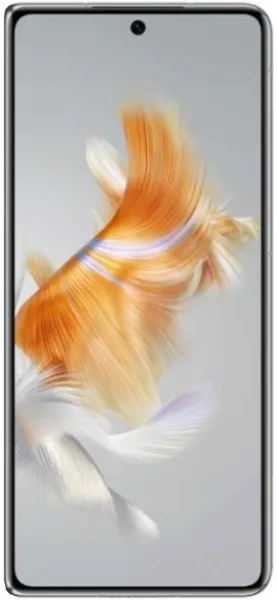
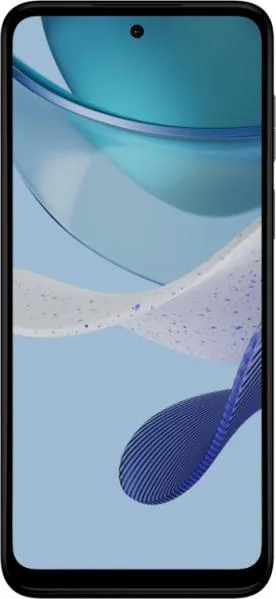
1. Specifications Comparison
| Feature | Huawei Mate X3 | Motorola Moto G (2023) | Practical Impact |
|---|---|---|---|
| Design | |||
| Dimensions | 156.9 x 141.5 x 5.3 mm (unfolded) | 164 x 75 x 8.4 mm | Mate X3 significantly more compact when folded, Moto G thinner when comparing single side |
| Weight | 239g | 189g | Mate X3 heavier due to folding mechanism and larger display, but impressively light for a foldable |
| Foldable | Yes | No | Mate X3 offers larger screen real estate in a pocketable size; Moto G is a traditional slab phone |
| Build Material | Missing | Missing | Build quality and durability cannot be compared without this information |
| Display | |||
| Size | 7.85" (unfolded), ~6.4" (cover display) | 6.5" | Mate X3 provides a significantly larger main display for multitasking and media consumption; Moto G screen is ample for everyday use |
| Resolution | 2224 x 2496 pixels (unfolded) | 720 x 1600 pixels | Mate X3 boasts much sharper visuals due to higher resolution; Moto G's lower resolution may result in pixelation |
| Type | Foldable OLED, 120Hz | IPS LCD, 120Hz | Mate X3's OLED offers superior contrast, deeper blacks, and potentially better power efficiency; Both offer smooth scrolling thanks to 120Hz refresh rate |
| PPI | 426 | 270 | Mate X3's display is significantly sharper |
| Performance | |||
| Chipset | Snapdragon 8+ Gen 1 4G (4 nm) | Snapdragon 480+ 5G (8 nm) | Mate X3 offers flagship-level performance; Moto G provides decent performance for everyday tasks but will struggle with demanding applications |
| CPU | Octa-core (1x3.19 GHz Cortex-X2 & 3x2.75 GHz Cortex-A710 & 4x2.0 GHz Cortex-A510) | Octa-core (2x2.2 GHz Kryo 460 & 6x1.8 GHz Kryo 460) | Mate X3 CPU significantly more powerful for demanding tasks and multitasking |
| GPU | Adreno 730 | Adreno 619 | Mate X3's GPU provides significantly better gaming and graphics performance |
| RAM | 8GB/12GB | 4GB | Mate X3 offers more RAM, enabling smoother multitasking and better performance with demanding apps |
| Camera | |||
| Rear Camera | 50MP (Wide) + 13MP (Ultrawide) + 12MP (Periscope Telephoto) | 48MP (Wide) + 2MP (Macro) | Mate X3 boasts a more versatile camera system with superior zoom capabilities; Moto G's camera setup is basic |
| Front Camera | 8MP | 16MP | Missing sensor details for both limit in-depth analysis, though Moto G appears to have higher front camera resolution |
| Video | Up to 4K@60fps with EIS | Up to 1080p@30fps | Mate X3 offers superior video recording capabilities |
| Battery | |||
| Capacity | 4800 mAh | 5000 mAh | Moto G has slightly larger battery capacity; However real-world battery life depends on various factors like display type and processor efficiency |
2. Key Differences Analysis
Huawei Mate X3 Advantages:
- Superior Performance: Flagship chipset and ample RAM ensure smooth multitasking and excellent gaming capabilities.
- High-Quality Display: Foldable OLED with high resolution and refresh rate delivers vibrant visuals and a premium experience.
- Versatile Camera System: Offers a triple-camera setup with telephoto capabilities for capturing a wider range of shots.
- Innovative Foldable Design: Provides a larger screen in a portable form factor.
Motorola Moto G (2023) Advantages:
- Lower Price: Significantly more affordable than the Mate X3.
- Larger Battery Capacity: Potentially longer battery life, although real-world usage will vary.
- 5G Connectivity: Supports faster cellular data speeds compared to the Mate X3's 4G.
Trade-offs:
- The Mate X3's premium features come at a significantly higher price.
- The Moto G sacrifices performance and camera quality for affordability.
3. User Profiles & Recommendations
Huawei Mate X3: Ideal for users who prioritize performance, a premium display, a versatile camera, and innovative design. Suitable for demanding tasks, multitasking, media consumption, and content creation.
Motorola Moto G (2023): Best suited for budget-conscious users who prioritize basic functionality and long battery life. Suitable for everyday tasks like browsing, social media, and communication. Not recommended for demanding gaming or heavy multitasking.
4. Decision Framework
Key Questions for Buyers:
- What is your budget? The Mate X3 is a premium device, while the Moto G is budget-friendly.
- What are your performance needs? The Mate X3 offers flagship performance, while the Moto G is suitable for basic tasks.
- Do you value a foldable design and a large, high-quality display? This is a key differentiator between the two devices.
Scenario-Based Recommendations:
- Heavy user who values performance and a premium experience: Choose the Mate X3.
- Budget-conscious user who needs a reliable phone for basic tasks: Choose the Moto G (2023).
- User who wants the latest technology and a large screen: Choose the Mate X3.
My Choice: Huawei Mate X3
While the Motorola Moto G (2023) offers excellent value for its price, I would choose the Huawei Mate X3. The foldable design, combined with the powerful processor, stunning display, and versatile camera system, offers a significantly superior user experience. While the price is high, the innovative technology and premium features justify the cost for me. The lack of 5G is a drawback, but 4G speeds are still sufficient for most tasks. I value performance, a great display, and the flexibility of a large screen that can be folded into a pocketable device. The Mate X3 delivers on all fronts.
